Estos días, Guadalajara sabe a café… y a cacao. Expo Café & Gourmet 2026 ya está aquí, y es básicamente el gran evento para los profesionales del café y la gastronomía gourmet, pero también para los amantes del chocolate. Se celebra del 11 al 13 de marzo y se centra en chocolates de especialidad.
Es decir, aquellos elaborados con cacao fino de aroma de alta calidad, producido a pequeña escala, a menudo bajo el modelo «del grano a la tableta», enfocándose en su trazabilidad, sostenibilidad y su sabor complejo, que se diferencia del chocolate industrial en su pureza y proceso artesanal.
Y ahora viene la parte interesante: el sabor del cacao depende de cómo se trate el grano después de la cosecha. Hay dos métodos de elaboración principales: fermentación y lavado. La fermentación dura entre 5 y 7 días y realza sus aromas y sabores profundos, a la vez que reduce su amargor. El lavado, en cambio, omite este paso y da como resultado un cacao más simple, muy característico en los chocolates de mesa tradicionales.
A tener en cuenta: los Premios Internacionales del Chocolate son considerados uno de los certámenes más prestigiosos del mundo y están organizados por el IICCT (Instituto Internacional de Cata de Chocolate y Cacao).
Y atención, algunos de los mejores chocolateros nacionales están presentes en este evento, ya que incluye un área temática dedicada al chocolate y al cacao. Así que, si te gusta el chocolate (o simplemente te encanta probar cosas increíbles) este es sin duda el lugar ideal para ti.
Imagen superior: Escultura de chocolate de Philippe Vancayseele / Imagen inferior: Garcy Photo
By Brisa Cósmica
These days, Guadalajara tastes like coffee… and cocoa. Expo Café & Gourmet 2026 is already here, and it’s basically the big event for coffee and gourmet professionals, but also for chocolate lovers in the region. It’s happening from March 11–13 at Expo Guadalajara, and it’s all about specialty chocolates—from the cacao bean all the way to the finished bar.
Here’s the cool part: cacao flavor really depends on how the bean is treated after the harvest. There are two main preparation methods—fermentation and washing. Fermentation takes about 5–7 days and it brings out those deep aromas and flavors while cutting down on bitterness. Washing, on the other hand, skips that step and gives you a simpler cacao that’s super common in traditional table chocolates.
To take into account: the International Chocolate Awards are considered one of the most prestigious competitions in the world and they are organized by the IICCT (International Institute of Chocolate and Cocoa Tasting).
And get this—some of the best national chocolate makers will be at this event, because it includes a themed area dedicated to chocolate and cocoa. So yeah, if you’re into chocolate (or you just love tasting amazing things) this is definitely the place to be for you.
Image above: Chocolate sculpture of Philippe Vancayseele / Image below by Garcy Photo
Undoubtedly ahead of his time, the work of the iconic British-Canadian singer and songwriter, Nicholas George Gilder, better known as Nick Gilder, delivers a captivating avant‑garde sound that helped shape the front lines of the new wave movement, also being a rich source of inspiration for other artists.
Gifted with a unique and instantly recognizable vocals, his performance is high-pitched and smooth, frequently transitioning between chest voice and falsetto. For most of his career, Gilder’s exceptional vocals was complemented by the work of guitarrist of equal talent, Jim McCulloch. Together, they elevated Gilder’s solo projects and the music of his band, Sweeney Todd, to a level of refinement and elegance that no one else has been able to achieve.
Sweeney Todd‘s self‑titled debut album brought immediate commercial success, propelled by the single Roxy Roller. Following this, Gilder and McCulloch moved to Los Angeles, from where they released the emblematic albums You Know Who You Are and City Nights. Later, Rock America, Frequency and Body Talk Muzic, did not achieve the same commercial success, but were still viewed as master pieces by many rock’n’roll lovers. [*See link 5 bellow*]
Gilder’s achievements include three Juno Awards and his recent induction into the Canadian Music Hall of Fame, an honor he shares with longtime collaborator Jim McCulloch. Not less laudable, in the latest times, Gilder has chosen to go back to the roots of rock’n’roll, stripping away complex arrangements for the sake of simplicity.
(b)
With all this in mind, and a long list of questions, I begin my interview:
MARÍA: Thanks Nickie for doing this interview for El Artca. According to what I know, you were born in London, is that correct? And if so, for how long did you live in London, and why did you move, or were taken, to Canada?
NICK: I moved to Canada Ontario when I was a kid, then returned to England for about three years, then to BC, Canada.
M. At what age did you start singing professionally?
N. I think I was 20ish.
M. What are your musical influences?
N. It was Led Zeppelin that truly made me want to get involved in rock & roll.
M. Hey, I read that your first band was Rasputin, is that correct? Or was it Sweeney Todd?
N. Rasputin became Sweeney Todd.
M. And did you release any recording with Rasputin?
N. There wasn’t any recording done until the name change.
M. I actually found a couple of recordings. One of them sounds like good old classic rock, the other one…sorry but did Iron Maiden kind of borrow Rasputin’s songs? [* See links 1 and 2 bellow*]
N. That was done on a cassette machine [laughs]… Live, of course.
M. The recordings are informal, but I personally think the music is brilliant… Why did you leave behind some of the band members when you moved to the U.S.?
N. I had started to pursue a solo career.
M. Although you reunited with Sweeney Todd some years later, correct?
N. Well, sort of the original band had developed some issues that prevented some of the guys (from) working together. It’s a long story, (I) did manage to have an original member in the band again for a while and then another after that for a while.
M. Sweeney Todd is the band’s name, also the title of the first Sweeney Todd’s album and the name of a song, right? Sweeney Todd was also the main character of a Victorian tale popular in 19th century London, is that correct?
N. Yes that’s correct. The song was Sweeney Todd folder [*See link 3 bellow*]
(c)
M. In that song I cannot figure out if you are talking about the legend of Sweeney Todd, or someone with that nickname, or perhaps it’s a metaphor for something else…
N. The song was really about all the hopes and dreams that where contained in the band’s information folder at our agents [laughs].
M. He is the main character in The String of Pearls. And there is a famous Broadway musical, a movie… Was there any tradition to play songs about this subject, or this character?
N. We needed a new name and I had a list of names, I asked my Mom her opinion and she said, how about Sweeney Todd? I thought it had a catchy interesting quality, to be honest not completely aware of exactly how macabre the character was, really quite sinister compared to Rasputin. It certainly worked though.
M. Terrific. There was a lot of debate about the meaning of Roxy Roller on some forum [*See link 4 bellow*]
N. What did you think it’s about [laughs]? I’m curious.
M. Well, let me listen to it again to try to figure it out…
N. It’s ok say whatever you think.
M. I don’t know… Maybe about a very good looking girl with a poorly paid job?
N. It is a sexy song, and she worked at a movie theatre. What she did was kind of secondary to me: it doesn’t matter what you do, a person should be treated fairly. The girls really like this song.
M. I agree. Every person should be treated fairly.
N. Ya, still it is a sexy song.
M. I like the metaphors, the rhyme is not forced and I just like songs that tell a story. The story is about love or sex and seem to have a poetic attribute because of the way it is presented.
N. Thanks. The girls used to go wild… [laughs]
M. Who taught you to sing, Nick?
N. I was in England and someone said: we need a new singer for our band, I said: I’ll do it. We practiced a few times before I moved to Canada.
M. May I ask what was the name of the band?
N. Yikes a long time ago, let me think…
(d)
M. Could we say that you learned to sing at a very young age?
N. I was about 18, I think.
M. Was this your school band? Or church?
N. No, it was a top 40 band.
M. Do you mean a top 40 most popular on radio?
N. One the bands that plays the radio hits.
M. I see. What radio hits did you sing at that time?
N. It would have been the Beatles, the Stones, Bowie etc. We didn’t practice that often.
M. How cool, I had a feeling you had sung Beatles… Have you ever played a musical instrument?
N. I play some guitar.
(e)
M. Tell me about song writing, I know that you have composed songs for or together with other musicians, some of these songs were also sale hits, correct?
N. Yes, I have written with other writers. Probably the most successful was The Warrior for Scandal.
M. About how many songs have you written or co-written, would you say it’s in the tenths or in the hundreds?
N. Oh, definately at least hundreds.
M. I thought so. I still have a lot of homework to do with listening to your albums. I only have listened to some songs here and there, and already your work seems to me like a musical planet or more like a universe for its length, weight and variety… By the way, what happened to A night on the town, a day in the country? I read it was shelved?
N. Ya, I decided to take a different direction.
M. Tell me what has been the general purpose of playing music all these years, I mean, besides being able to make a living doing something that you really like, does your work have a message or a purpose that goes beyond its artistic nature?
N. Its awesome, of course, to do what you love and make peoples day perhaps a bit more pleasant. Actually folks really enjoy hearing these classic songs live. And really music is a chance to put more love into the world! God knows we need it!
M. Nick are you religious? As you know, rock & roll roots are closely related to faith and mysticism. Were you inspired by faith at some point?
N. I really simply thought that music connects like a path of least resistance because it’s vibration so to speak, I believe in a spirituality.
M. That is a very beautiful way to say it. What is the influence of folk or traditional music in your work?
N. Not sure there is any…
M. I know that at the moment, you are in the studio readying a new release, do you guys have any date in mind?
N. No date yet.
M. Thank you again for answering all my questions.
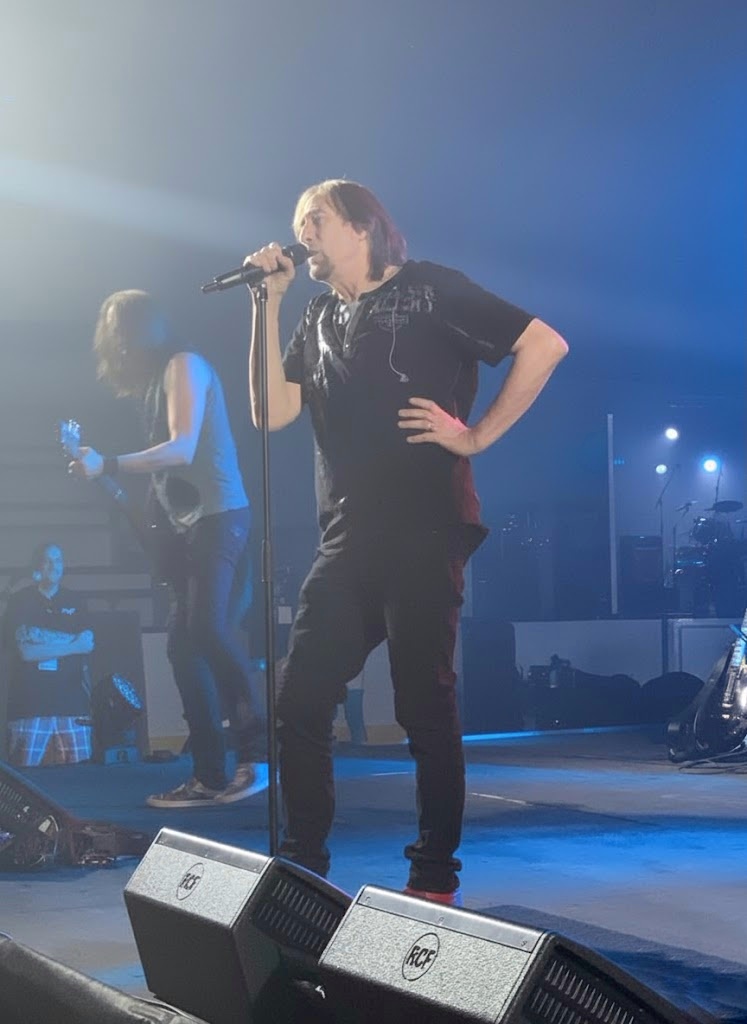
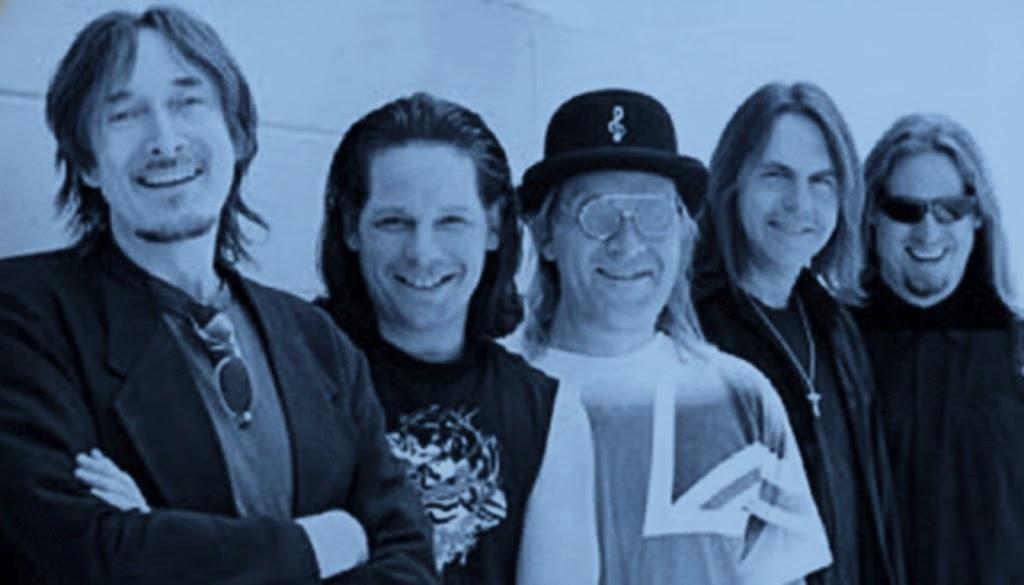
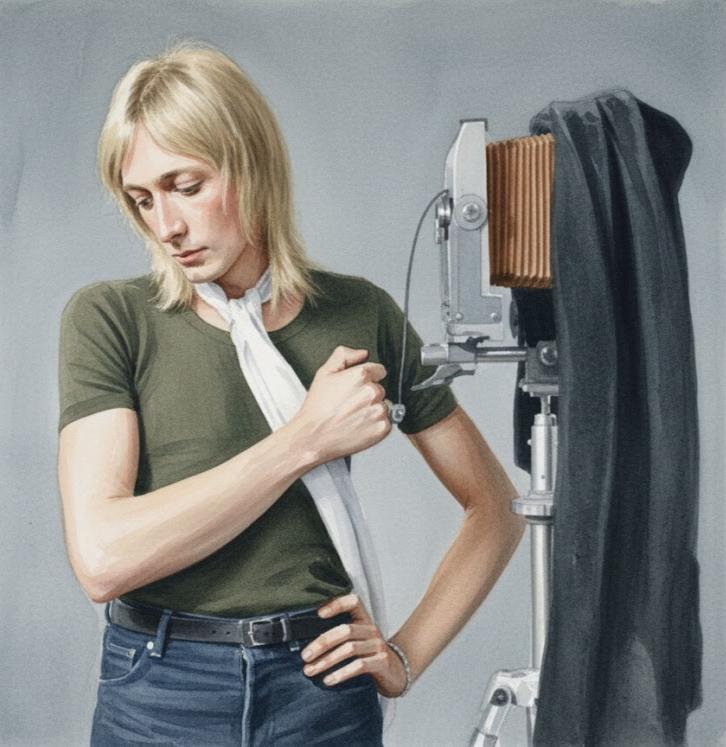
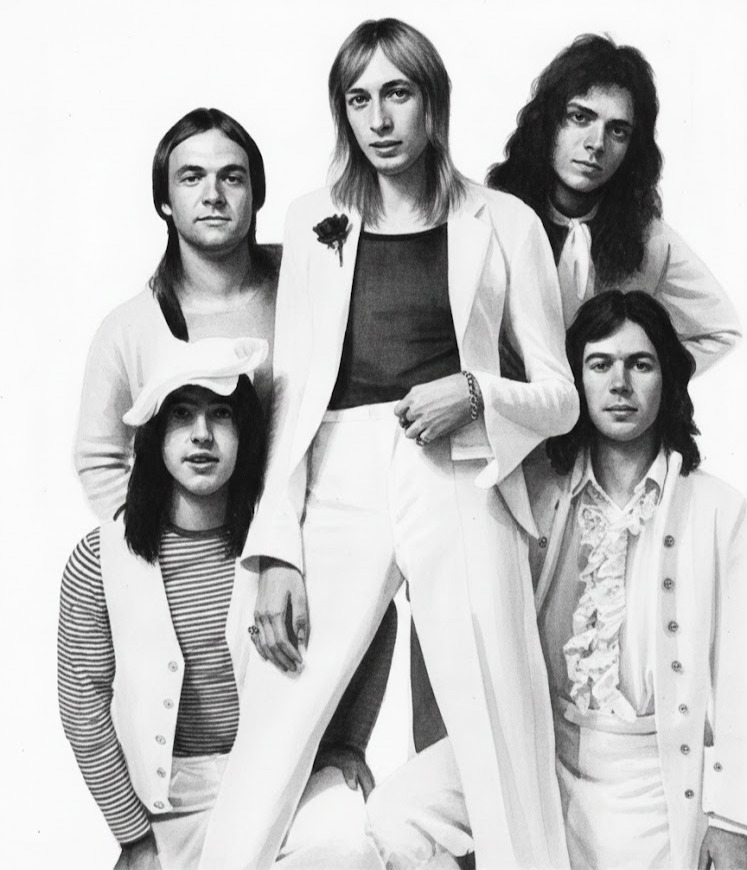
Images J and K by Austin Photographic Arts (edited) Austin.moloughney@gmail.com / Updates on Nick Gilder https://nickgilder.com/
………………………………………………..
ESTRELLATO, ESTILO Y ALGO DE SINTETIZADOR: EL GLAMUROSO REINADO NEW WAVE DE NICK GILDER
(f)
Por María Martínez Sánchez
Sin duda, un adelantado a su tiempo, el trabajo del icónico cantante y compositor británico-canadiense Nicolas George Gilder, mejor conocido como Nick Gilder, ofrece un sonido vanguardista cautivador que ayudó a dar forma a las primeras filas del movimiento de la nueva ola, siendo también una rica fuente de inspiración para otros artistas.
Dotado de una voz única y reconocible al instante, su interpretación es aguda y suave, con una transición frecuente entre voz de pecho y falsete. Durante la mayor parte de su carrera, su excepcional voz se complementó con el trabajo del prodigioso guitarrista Jim McCulloch, y juntos, elevaron los proyectos en solitario de Gilder y la música de su banda, Sweeney Todd, a un nivel de refinamiento y elegancia que nadie más ha podido alcanzar.
Su álbum debut homónimo Sweeney Todd obtuvo un éxito comercial inmediato, impulsado por el sencillo Roxy Roller. Después de esto, Gilder y McCulloch se mudaron a Los Ángeles, desde donde lanzaron los emblemáticos trabajos You Know Who You Are (Sabes quien eres) y City Nights (Noches de ciudad). Más tarde, Rock America (Rock América), Frequency (Frecuencia) y Body Talk Muzic (Música de lenguaje corporal) no tuvieron el mismo éxito comercial, si bien están considerados como obras maestras por muchos amantes del rock. [*Ver enlace 5 abajo*]
Los logros de Gilder incluyen tres premios Juno y una reciente incorporación al Salón de la Fama de la Música Canadiense, un honor que comparte con su colaborador de muchos años Jim McCulloch. No menos loable es que, en los últimos tiempos, Gilder haya optado por volver a las raíces del rock’n’roll, eliminando arreglos complejos en aras de la simplicidad.
(g)
Con todo esto en mente y una larga lista de preguntas, comienzo mi entrevista:
MARÍA: Gracias Nickie por hacer esta entrevista para El Artca. Según lo que sé, naciste en Londres, ¿es correcto? Y si es así, ¿cuánto tiempo viviste en Londres y por qué te mudaste o te llevaron a Canadá?
NICK: Me mudé a Canadá, Ontario, cuando era niño, luego regresé a Inglaterra durante unos tres años y luego a B.C., Canadá.
M. ¿A qué edad empezaste a cantar profesionalmente?
N. Tenía unos 20 años.
M. ¿Cuáles son tus influencias musicales?
N. Fue Led Zeppelin quien realmente me hizo querer involucrarme en el rock & roll.
M. Oye, leí que tu primera banda fue Rasputin, ¿es cierto? ¿O fue Sweeney Todd?
N. Rasputin se convirtió en Sweeney Todd.
M. ¿Y sacaste alguna grabación con Rasputín?
N. No se realizó ninguna grabación hasta el cambio de nombre.
M. De hecho encontré un par de grabaciones. Una de ellas suena a buen rock clásico, la otra… lo siento, pero ¿será que Iron Maiden tomó prestadas las canciones de Rasputin?[*Ver enlaces 1 y 2 abajo*]
N. Eso se hizo en una grabadora de casetes [risas] En vivo, por supuesto.
M. La grabación es informal, pero personalmente creo que la música es brillante… ¿Por qué dejaste atrás a algunos de los miembros de la banda cuando te mudaste a Estados Unidos?
N. Había empezado a seguir una carrera en solitario.
M. Aunque te reuniste con Sweeney Todd algunos años después, ¿correcto?
N. Bueno, la banda original había desarrollado algunos problemas que impedían que algunos de los chicos trabajaran juntos. Es una larga historia, logré tener a un miembro original en la banda nuevamente por un tiempo y luego a otro por un tiempo.
M. Sweeney Todd es el nombre de la banda, también el título del primer álbum de Sweeney Todd y el nombre de una canción, ¿correcto? Sweeney Todd también es el personaje principal de un cuento victoriano popular en el Londres del siglo XIX, ¿eso es correcto?
N. Sí, eso es correcto. La canción es Sweeney Todd Folder (la carpeta de Sweeney Todd) [*Ver enlace 3 abajo*]
(h)
M. En la canción no puedo entender si estás hablando de la leyenda de Sweeney Todd, o de alguien con ese sobrenombre, o quizás es una metáfora para otra cosa…
N. La canción realmente trata sobre todas las esperanzas y sueños que estaban contenidos en la carpeta informativa de la banda de nuestros agentes [risas].
M. Es el personaje principal de El collar de perlas. Y hay un famoso musical de Broadway, una película… ¿Había alguna tradición de tocar canciones sobre este tema, o este personaje?
N. Necesitábamos un nuevo nombre y yo tenía una lista de nombres, le pedí a mi madre su opinión y ella dijo ¿qué tal Sweeney Todd? Pensé que tenía una cualidad interesante y pegadiza, para ser honesto, no era del todo consciente de cuán macabro era exactamente el personaje, realmente bastante siniestro en comparación con Rasputín. Aunque ciertamente funcionó.
M. Fantásticamente. Había mucho debate sobre el significado de la letra de Roxy Roller en un foro [Ver enlace 4 a continuación]
N. ¿De qué crees tú que se trata [risas]? Tengo curiosidad.
M. Bueno, déjame escucharlo de nuevo para intentar entenderlo…
N. Está bien, di lo que piensas.
M. No lo sé… ¿Tal vez sobre una chica muy guapa con un trabajo mal pagado?
N. Es una canción sexy y ella trabajaba en un cine. Lo que ella hacía era algo secundario para mí: no importa lo que hagas, cualquier persona debe ser tratada con justicia. A las chicas les gustaba mucho esta canción.
M. Estoy de acuerdo. Cualquier persona debe ser tratada de manera justa.
N. Sí, aún así es una canción sexy.
M. Me gustan las metáforas, la rima no es forzada y simplemente me gustan las canciones que cuentan una historia. La historia trata sobre amor o sexo y parece tener un atributo poético por la forma en que se presenta.
N. Gracias. Las chicas solían volverse locas con esta canción… [risas]
M. ¿Quién te enseñó a cantar, Nick?
N. Estaba en Inglaterra y alguien dijo: necesitamos un nuevo cantante para nuestra banda, yo dije: seré yo. Practicamos varias veces antes de mudarme a Canadá.
M. ¿Puedo preguntar cuál era el nombre de la banda?
N. Vaya, hace mucho tiempo, déjame pensar…
(i)
M. ¿Podríamos decir que aprendiste a cantar cuando eras muy joven?
N. Creo que tenía unos 18 años.
M. ¿Era esta la banda de tu escuela? ¿O iglesia?
N. No, era una banda top 40.
M. ¿Te refieres al top 40 de los más populares en la radio?
N. Una de las bandas que tocan los éxitos de la radio.
M. Ya veo. ¿Qué éxitos de la radio cantabas en esa época?
N. Habrían sido los Beatles, los Stones, Bowie, etc. No ensayábamos tan a menudo.
M. Qué genial, tenía la sensación de que habías cantado a los Beatles… ¿Alguna vez has tocado un instrumento musical?
N. Toco algo de guitarra.
(j)
M. Háblame sobre la composición de canciones, sé que has compuesto canciones para o junto a otros músicos, algunas de estas canciones también fueron éxitos de venta, ¿correcto?
N. Sí, he escrito con otros compositores. Probablemente el más exitoso fue The Warrior (La guerrera) de Scandal.
M. ¿Aproximadamente cuántas canciones has escrito o coescrito, dirías que son decenas o centenas?
N. Oh, definitivamente al menos cientos de canciones.
M. Eso pensé. Todavía tengo mucha tarea que hacer para escuchar tus álbumes. Sólo he escuchado algunas canciones aquí y allá, y ya tu trabajo me parece un planeta musical o más bien un universo por su extensión, peso y variedad… Por cierto, ¿qué pasó con A Night on the Town, A Day in the Country, (Una noche en la ciudad, un día en el campo)? ¿Leí que fue archivado?
N. Así es, decidí tomar una dirección diferente.
M. Cuéntame cuál ha sido el propósito general de tocar música todos estos años, es decir, además de poder ganarte la vida haciendo algo que realmente te gusta, ¿tu trabajo tiene un mensaje o un propósito que va más allá de su naturaleza artística?
N. Es maravilloso, por supuesto, hacer lo que te gusta y conseguir que el día de algunas personas sea quizás un poco más placentero. De hecho, la gente disfruta mucho escuchando estas canciones en vivo. ¡Y realmente la música es una oportunidad para poner más amor en el mundo! ¡Dios sabe que lo necesitamos!
M. Nick, ¿eres religioso? Como sabes, las raíces del rock & roll están estrechamente relacionadas con la fe y el misticismo. ¿Te ha inspirado la fe en algún momento?
N. Realmente simplemente pienso que la música conecta como un camino de menor resistencia porque es vibración, por así decirlo, creo en la espiritualidad.
M. Esa es una manera muy hermosa de decirlo. ¿Cuál es la influencia de la música folk o tradicional en tu trabajo?
N. No estoy seguro de que haya alguna…
M. Sé que en este momento estáis en el estudio preparando un nuevo lanzamiento, ¿tenéis alguna fecha en mente?
N. Aún no hay fecha.
M. Gracias nuevamente por responder todas mis preguntas.
Imágenes J y K por Austin Photographic Arts (editadas) contacto: austin.moloughney@gmail.com / Actualizaciones sobre Nick Gilder https://nickgilder.com/
— Good morning darling! There is coffee in the coffee maker.
Mario places the pliers he’s carrying in his right hand on the table and takes a sip from the cup under the strainer. The cup hits the marble top.
—You’ve made it wrong, Diana. It came out cold!
The gate slams shut. Diana empties the strainer and fills it with fresh ground coffee, then she makes another hot cup.
This time Mario returns before the coffee gets cold and he takes the cup Diana has prepared to his desk. Like every morning for a year, he turns the television on. It’s still early and Diana lies down on the couch. The gray echo of the 8:00 a.m. news extinguishes itself between tears and scattered voices that rise to the table.
Diana’s head sinks into the almost flat armrest. Behind the window, the fog turns the amber flowers silver. Diana’s gaze is fixed on the ceiling while her fantasy recreates long walks by the sea.
— I’m going out for a walk, Mario solemnly informs.
—But, you can’t see anything…
—Precisely for that reason. I want to see the fog…
—Shall I go with you?
— No! You stay here. I’m not going to wait for you to get dressed. Goodbye, I’m leaving.
Diana closes the book that her academy instructor recommended and sinks a little deeper into the couch. The tedium of the cloudy morning and the chiaroscuro under the skylight have overcome her spirit before getting dressed.
That Patti Smith song she has set as an alarm tone plays: “There’s a town in north Ontario… Blue, blue windows behind the stars…” Diana visualizes herself floating over one of the clouds outside, below there is a beach where the waves break gently on the sand.
The timbre of the melody envelops the entire room: “Yellow moon on the rise, big birds flying across the sky, throwing shadows on our eyes…” The nostalgic and almost mystical guitars feel relaxing: “Leave us helpless, helpless, helpless…”
Diana’s back progressively sinks into the couch, her body is filled with music. Suddenly, Margot’s fists clout violently on the door:
-Diana! Diana! Dianaa! Your alarm has rung twice!
Diana wakes up with a flinch and reaches out to turn off the alarm clock. Then she hears Margot’s footsteps walking down the hallway towards her apartment. She remembers now that Mario went out for a walk a while ago and pictures him wandering among suspended water droplets. Although curfew is far away, the feeling of dread seems to float between the houses all day.
From the depths of her conscience doubts arise about many things. She even doubts reality itself. Could the conversation with Mario have been a dream? Diana goes from the coach to the room and verifies that Mario is not there.
Yo sé que a ti te conocí en mi segunda reencarnación cuando ambos éramos espías soviéticos en las oscuras redes nazis del África Subsahariana y nos reuníamos en oscuros bares de Marraquesh de cuyo nombre no debo acordarme.
Por entonces no podía apreciar si tu risa transparente y tus atentos ojos azules formaban parte de tu riguroso entrenamiento pero debo confesar que contraviniendo todas las normas de la clandestinidad mi mente reprodujo un retrato perfecto de tu figura exacta.
Acaso por eso cuando estoy solo y siento miedo y mi alma se agita y mi cuerpo se enfría como la muerte encuentro paz y sosiego en la resurrección de tu mirada y cuando otra vez te veo me muevo hasta tus ojos
y
——–me
————-baño
———————en
————————-ellos
Poema musicalizado en Suno con Letra de Juancho Solís de Ovando:
By Juancho Solís de Ovando
I know that I met you in my second reincarnation when we were both soviet spies in the oscure nazi networks of Subsaharian Africa and we used to meet in dark bars of Marraquesh whose name I shouldn’t remember.
At that time I could not appreciate if your transparent laugh and your attentive blue eyes were part of your rigorous training but I must confess that contravening all rules of secrecy my mind reproduced a perfect portrait of your exact figure.
Maybe that’s why when I’m alone and I feel afraid and my soul stirs and my body gets cold like death I find peace and calm in the resurrection of your gaze and when I see you again I move up to your eyes
and
–———–I
—————bathe
———————–in
—————————-them
—————————-
Translated by Mar Martínez
Poem musicalized in Suno with Lyrics by Juancho Solís de Ovando
Di Juancho Solis de Ovando
Lo so, ti ho conosciuto nella mia seconda reincarnazione quando entrambi eravamo spie sovietiche nelle oscure reti naziste dell’Africa Sub-sahariana e ci siamo reuniti nei oscuri bari di Marrakech il cui nome non dovrei ricordare.
A quel tempo non potevo apprezzare se la tua risata trasparente e i tuoi attenti occhi azzurri facevano parte del tuo rigoroso addestramento ma devo confessare che contravenendo a tutte le regole della segretezza la mia mente riproduceva un ritratto perfetto della tua figura esatta.
Forse è per questo che quando sono solo e ho paura e la mia anima si agita e il mio corpo si raffredda come la morte trovo pace e tranquillità nella risurrezione del tuo sguardo e quando ti vedo ancora mi avvicino ai tuoi occhi
E
——me
———–bagno
—————–in
——————–essi
————-
Traduzione di Mar Martínez
Poesia musicalizzata in Suno con Testi di Juancho Solis de Ovando
Vinieron los nuevos inmigrantes. Empezaron a expandirse por las tierras que los nativos nunca habían tomado como suyas, al considerarlas sagradas. A ellos les fue bien, a los nativos no tan bien. Empezaron a venir más y más. Un día los viejos inmigrantes dijeron que ya no querían…ya no querían más nuevos inmigrantes como ellos. Así que, cerraron las puertas del país.
Musicalización en Suno con letra de Brisa Cósmica
Imágenes realizadas con Word Press
By Cosmic Breeze
The new immigrants came. They began to expand into the lands that the natives had never taken as theirs, since they were considered sacred. They did well, the natives not so well. More and more of them began to come. One day the old immigrants said that they no longer wanted…they no longer wanted more new immigrants like them. And they closed the gates of the country.
Musicalization in Suno with lyrics by Cosmic Breeze
Me desarmas, me construyes, amor y placer, nadando en tus aguas me ahogo y me dejo, no muero, no muero porque me abrazas, me sujeta tu forma tan aguda y tu firme contexto, tus manos creativas, tu suave y sutil locura, no muero porque me abrazas, hombre, te volviste infinito, ya te sueño.
Me liberas, pero no esa libertad que conozco, la libertad que acostumbro, la libertad que me encierra, me liberas y vuelo y danzo y no me canso, sobre tu tierra, ¿alma gemela? Aún no me entra en la consciencia, paciencia mi memoria apenas despierta, más el sueño exhausto de quietud me grita que avance, sin prisa, sin pausa hacia donde estés tu, caricia encendida, presagio real, vanidad no existe, nos hicimos regresar, florecer, ser verdad, deconstrucción espiritual, principio y fin.
¿Quién eres, quién eras, que fuimos ayer?
Me quedé sin memoria, solo te recuerdo cuando veo tus ojos bajo un rojo atardecer, justo antes de la lluvia, anterior a beberme un café, quizá si desnudas tu piel y te veo arder, quizá tu forma y tu firme contexto me descarguen de pretextos, quizá el agua que sale de tu cuerpo, me ahogo, me hundo, ¡me libero del mundo!
Fotografía de la autora
—————-
Musicalización del poema en Suno
BY AURORA RUIZ
You disarm me, you build me, love and pleasure, swimming in your waters I drown and leave, I don’t die, I don’t die because you hug me, your sharp form, your firm context, your creative hands, your soft and subtle madness, I don’t die because you embrace me, man, you became infinite, I already dream of you.
You free me, but not the freedom I know, the freedom I am used to, the freedom that encloses me, you free me and I fly and dance and I do not get tired, on your land, soulmate? I still don’t enter my consciousness, patience, my memory barely awakens, plus the dream exhausted from stillness, screams at me to move forward, without haste without pause to where you are. Extended caress, real omen, vanity does not exist, we made ourselves return, flourish, be truth, spiritual deconstruction, beginning and end.
Who are you, who were you, what were we yesterday? I ran out of memory, I only remember you when I see your eyes under a red sunset, just before the rain, before I drink a coffee, maybe if you bare your skin and I see you burn. Perhaps your form and your firm context will relieve me of excuses, perhaps the water that comes out of your body, I drown, I sink, I free myself from the world!






















 EL ARTCA