
Blog Feed

La noche – THE NIGHT

Por Mar Martínez Leonard

La noche

de esta fría ciudad

me rompe el corazón

a cada paso,

con cada recuerdo,

y en cada esquina donde ya no está 

quien me daba cobijo de mi hoy

en su ayer difuminado

.

Camino por sus venas sucias

camino por sus venas bulliciosas

con el vértigo a ras de suelo,

leyendo entre líneas

el rumor y sus silencios amarillos

.

Quiero trepar a tu terraza de cristal

para colarme en la tertulia de las cinco,

tomar sin prisa otra Alhambra Especial

y oírte protestar porque se me olvida

besarte en la mejilla

dos veces

.

Y ya no son míos

con nostalgia

me desprendo

de estos versos

que escribo en soledad

.

En la mañana

el sol del invierno

alumbrará

tu presencia imaginaria 

en ese banco vacío del bulevar

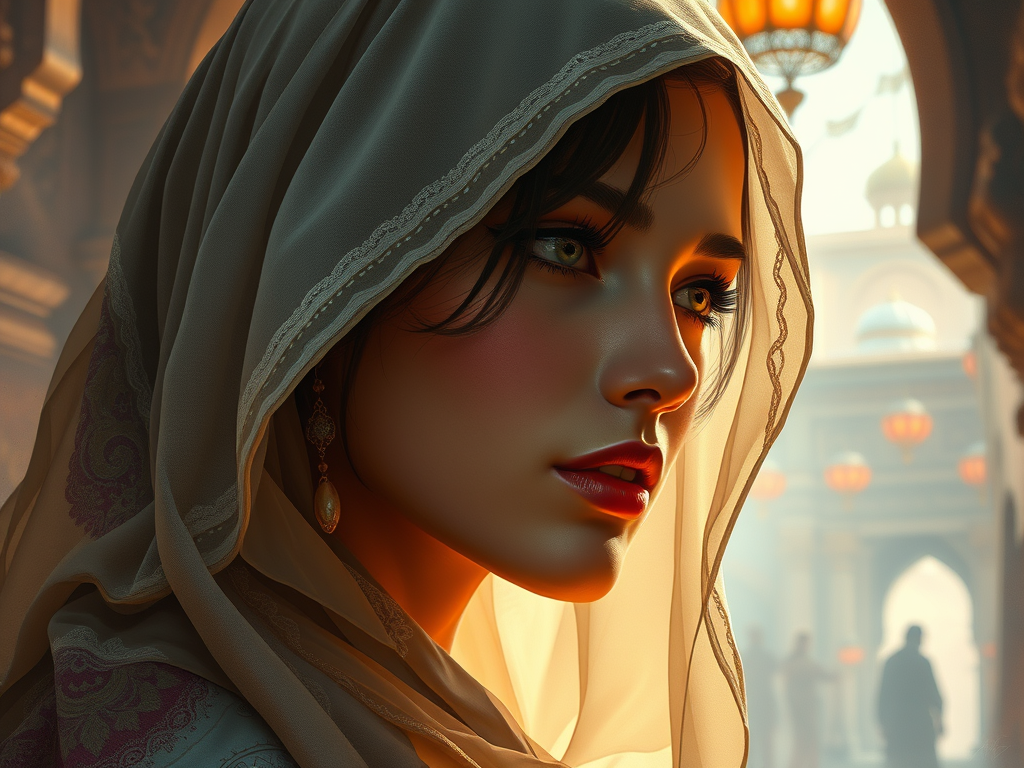
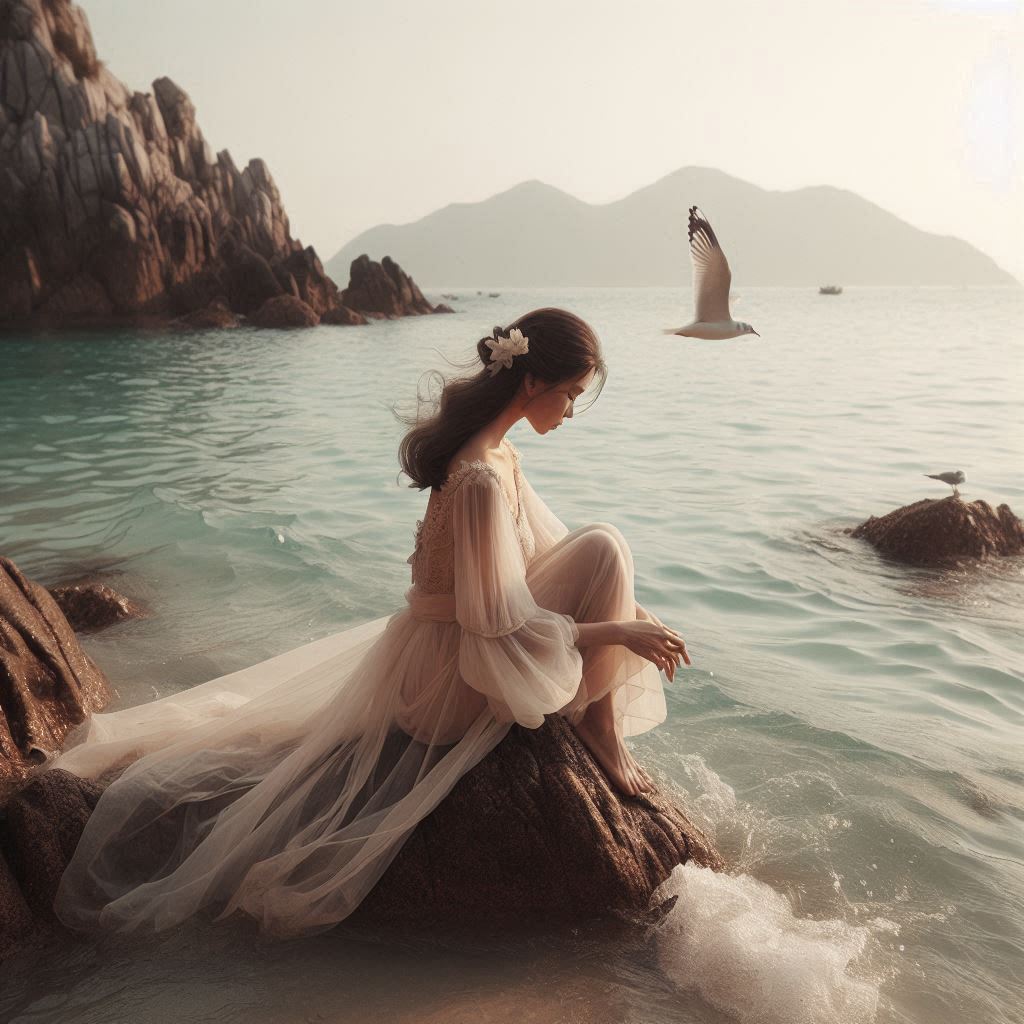
Imágenes creadas en Copilot

———————–

Poema musicalizado en Suno

By Mar Martinez Leonard

The night

of this cold city

breaks my heart

at every step

with every memory

and on every corner

where those who gave me shelter from my today

are gone

in their faded yesterday

.

I walk through its dirty veins

I walk through its boisterous veins

with the vertigo at ground level,

reading between the lines

the rumor and its yellow silences

.

I want to climb onto your glass balcony

to sneak into the five o’clock get-together,

drink another Alhambra Especial

with no hurry

and hear you complain

because I forget to kiss you

on the cheek twice

.

And they’re no longer mine,

with nostalgia

I detach from these verses

that I write in solitude

.

In the morning

the winter sun will illuminate

your imaginary presence

on that empty bench

at the boulevard

Author’s translation – Images created with Copilot

————-

Poem musicalized in Suno

Almas gemelas – SOULMATES

Por Aurora Ruiz

Me perturba pensar en el alma gemela 

Me perturba pensar que estoy partida por la mitad y que algún otro, en algún otro lugar me contiene en el 50% de lo que yo soy…

Me desquicia sentir que puedo estar incompleta

Que existe alguien más por ahí que viene a reponer lo que según parece ser aquello que me falta, aquello de lo que no dispongo…

Me opongo, pues no me falta nada, soy el sol y la luna, el universo repleto de complejidad, soy mi propio orden y mi propio caos, siento que no necesito de nada más

La idea del alma gemela me atormenta, tempestad interna, llanto, llama, que según somos dos, opuestos, completamente iguales y complejos, territorio compartido, uno experimenta lo que el otro no ha vivido, olvido, yo ya tengo mis dos 

——————

Fotografía de la autora

By Aurora Ruiz


It disturbs me to think of the soulmate


It disturbs me to think that I am split in half and that someone else, somewhere else contains me at 50% of who I am…


It drives me crazy to feel like I can be incomplete


That there is someone else out there who comes to replace what seems to be what I lack, what I don’t have…


I oppose it, because I lack nothing, I am the sun and the moon, the universe full of complexity, I am my own order and my own chaos, I feel that I do not need anything else


The idea of the soulmate torments me, internal tempest, crying, flame, that according to us two, opposites, completely equal and complex, shared territory, one experiences what the other has not lived, forgetting, I already have my two

Author’s photo and translation

SILENCIO – Quiet

Por PALOMA BELÉN DE DÍAZ

SILENCIO

Silencio,

que nuestros besos no hagan ruido,

que mis gemidos se queden en tu oído.

.

Es mejor así,

no hablemos del amor que nos brilla en la mirada,

que nuestras caricias se queden en tu cama

que mis añañucos sigan dando vueltas en tu espalda,

esa maravilla que hizo tu madre para que yo descansara.

.

Silencio,

que los demonios no aceptan un cielo,

que la envidia convierte la mala hierba en veneno.

Silencio que así te cuido,

así te vivo, así eres mío.

.

Que nadie oiga mi risa,

que nada borre de tu boca tu bella sonrisa,

que el secreto de dos, ni siquiera sea de Dios.

.

Te regalo la vida, porque tu libertad cuida este amor,

conmigo o sin mí,

que me muera mañana

si hoy duermo contigo.

.

Que si te escribo poesía,

sean mis ojos los que te pongan la tinta.

——————–

SOBRE LA AUTORA

Poetisa chilena, originaria de Antofagasta, donde reside. Escribe poesía desde los 15 años de edad. Sus poemas están inspirados en la música, a menudo en canciones de Gustavo Cerati. Su obra trata la temática del amor, la muerte y, en los últimos tiempos, el erotismo. Su finalidad es alejarse del dolor a través de la catarsis poética, además de acercar la poesía a aquellos que no la conocen, con un tratamiento más atractivo de estos temas.

Imágenes de SULAYR EGEA: Arriba: Mónica, acrílico sobre lienzo. Abajo: Amor y vino en el laberinto, barra de óleo negro sobre papel Contacta a Sulayr Egea y conoce otras obras suyas

By PALOMA BELÉN DE DÍAZ

QUIET

Quiet.

May our kisses be in silence,

may my moans stay in your ear.

.

It’s better like this,

let’s not talk about the love shining in our eyes.

May our caresses stay in your bed,

may my lilies go around your back

that wonder your mother made so I can rest.

.

Quiet.

Demons don’t accept a heaven,

envy turns weed into venom.

.

Quiet. That way I guard you

that way I live you, that way you’re mine.

.

May no one hear my laugh

may nothing erase your beautiful smile

may our secret be of two, may it not be even of God.

.

I give you my life, because your freedom guards this love

with me or without me.

May I die tomorrow,

if I sleep with you today.

.

That if I write you poetry

may my eyes put you the ink.

ABOUT THE AUTHOR

Chilean poet, native to Antofagasta, where she resides. She has been writing poetry since the age of 15. Her poems are inspired by music, often in the songs of Gustavo Cerati. Her work deals with the themes of love, death and, in recent times, eroticism. The purpose is to get away from pain through poetic catharsis, in addition to bringing poetry closer to those who do not know it, with a more attractive treatment of these topics.

——————-

Images by SULAYR EGEA: Up: Monica, acrylic on canvas. Down: Love and wine in the labyrinth, black oil stick on paper Sulayr Egea: Contact him and see more of his artwork

ME GUSTA PENSAR QUE SOY NEGRO — It pleases me to think that I’m black

Por AURORA RUIZ

Me gusta pensar que soy negro, humo, vidrio, ilusión, espacio sin tiempo, duda, perdición.

Me gusta pensar que soy anhelo, la puerta cerrada de la creación, me gusta pensar que te muero, que te fallo, que rompo la conexión, tempestad, huracán, roca y maldición.

No olvido, nunca olvido, pesadumbre por traición, mas la duda es el error, cuestión de tiempo, inanición, origen, renacimiento sin dirección.

Me gusta pensar que me amo, a mi manera me amo, me mato, autodestrucción, no apoyo el canibalismo, empero, la realidad se ha vuelto eso, aquello, ello, alejado de lo bello.

Comienzo de la transformación, carente de sentido, debilitado y sumisión, resistencia, la abstinencia de entregarse, valorarse, caerse, levantarse.

Inicia el erotismo. ¡Me gusta pensar, soy revolución!

I like to think that I am black, smoke, glass, illusion, space without time, doubt, downfall.

I like to think that I am longing, the closed door of creation, I like to think that I’ll die for you, that I fail you, that I break the connection, storm, hurricane, rock and curse.

I don’t forget, I never forget, sorrow for betrayal, but doubt is the error, a matter of time, starvation, origin, rebirth without direction.

I like to think that I love myself, in my own way, I love myself, I kill myself, self-destruction, I do not support cannibalism, however reality has become this, that, it, far from beauty.

Beginning of transformation, meaningless, weakened and submission, resistance, abstinence from surrendering, valuing oneself, falling, getting up.

Eroticism begins. I’d like to think, I am a revolution!

Image: Aurora Ruiz – Translation: Mar Martínez Leonard

FUERA DEL TIEMPO / Outside of Time / Fuori dal tempo

(1)

FUERA DEL TIEMPO

Por JERÓNIMO MARTÍNEZ GONZÁLEZ

Cuando, el 7 de enero de 1956, fui a darles un beso de despedida a mis abuelos antes de irme a Almería después de las vacaciones, les hablé de las menudencias de la vida en el seminario y les conté, lleno de orgullo, que era el primero de la clase. Mi abuelo Domingo me dijo: “Y serás siempre el primero”.

Murió dos días después con 58 años. Lo mató un ataque al corazón. Había ido de caza a la sierra con otros hombres. Mientras los demás monteaban buscando la caza, él se sentó a descansar. Nuestra perra Eva, le hacía compañía. Sacó la petaca y el librito de papel de fumar y se puso a liar un cigarrillo. No pudo terminarlo. La perra Eva le ladró asustada a la muerte, y después buscó a los otros cazadores pidiendo ayuda con desesperación. La entendieron perfectamente: supieron que había pasado algo grave; corrieron hasta el lugar donde los llevó y lo encontraron muerto. La perrita Eva seguiría durante muchos días yendo a ladrar frente a las tapias del cementerio.

El abuelo Domingo era un hombre de una religiosidad seria y profunda y, si hay un cielo, seguro que ha entrado en él, eso sí, caminando despacio, sin alterarse. Caminando, como aquella vez que lo llevaron a presenciar un combate de boxeo en Almería y, cuando los vio golpearse, se salió por el pasillo central diciendo en voz alta para todos los que quisieran oírlo, que podía entender que uno se hiciera daño al trabajar pero no que aquellos infelices se subieran allí arriba a pegarse el uno al otro y que los demás disfrutaran viéndolo y azuzándolos.

Lo recuerdo de pie, erguido y concentrado, con la cabeza baja rezando delante del cuadro de la Virgen del Carmen que tenía en la habitación contigua al dormitorio. Era, como siempre ha dicho mi madre acertadamente, caritativo. Es decir, la solidaridad a toda prueba y el buen corazón manaban de él en una religiosidad de una pieza, sin adornos ni fisuras.

Le decía a mi abuela: “Que no me entere yo de que llega un pobre a nuestra puerta y se va sin un pedazo de pan”. Y eran muchos los que entonces pasaban por el pueblo. Estaban los pobres con oficio, que venían ofreciendo algún tipo de servicio: lañadores que se instalaban en la plaza, debajo de una acacia, y reparaban allí los lebrillos, las ollas y las cazuelas rotas o rajadas; afiladores, que fatigaban las callejas del pueblo tañendo la flauta del dios Pan y gritando de cuando en cuando “¡Afilador y paragüero!” y que volvían a dar filo a los cuchillos, las azadas y las hachas, y reparaban los paraguas; chamarileros, como el Manzano, que se paseaban con su bandeja cuadrada colgando del cuello sobre el pecho ofreciendo tiras de papel con mixtos que chisporroteaban al golpearlos, piedras ovaladas cubiertas de fósforo, trocitos de paloduz y barras de regaliz y, para los mayores, almanaques, piedras de mechero, leznas y agujas. Éstos cobraban aunque fuera una miseria por sus servicios.

Pero estaban también los otros, los pobres cuyo único oficio era pedir, combinado si acaso con una muy rara venta de humilde artesanía como adornos tejidos con paja de centeno o canastos de caña o de mimbre. Eran los gitanos o los húngaros que aparecían un buen día en un viejo carromato arrastrado sin prisa por mulas pacientes y acostumbradas a todos los climas, se posaban listos para echar a andar de nuevo en cualquier momento en el anchurón del límite del pueblo hacia la carretera y juntaban piedras para encender entre ellas el fuego. Poco les importaba el nombre del pueblo porque aquel era como cualquier otro territorio: un frío como todos los fríos, un suelo como todos los suelos, el mismo sol inclemente o tibio, la misma buena gente y la misma gente indiferente, y alguna mala gente. Nunca, cuando éstos llamaban a la casa del abuelo Domingo y la Mama Quica, se iban sin un trozo del buen pan de su trigo y un trozo de tocino o espinazo.

Si trato de buscar en los recuerdos de toda mi vida alguna escena que refleje el espíritu de las Bodas de Camacho, la saciedad y la abundancia, quizás no buscaría en banquetes diplomáticos llenos de exquisiteces o en celebraciones, o en restaurantes más o menos exóticos. Posiblemente elegiría entre todas la imagen de la cuadrilla de segadores sentados aquí y allá en la entrada de la casa de mis abuelos, unos en los escalones que conducían a la planta alta, otros en sillas o en el tranco de la entrada, unos con mesa, otros sin ella. Acabados de llegar, a mediados de junio, después de hacer a pie los cien kilómetros largos desde la costa de Vera y después de un invierno de privaciones en el que no había faltado el hambre. Había migas sin límite y chorizo y tocino frito y un porrón de vino.

Manuel, al que apodaban el Burro y que tenía una risa estentórea y contagiosa, una boca con pocos dientes y unos ojos enturbiados por el tracoma, le había dado ya varios tientos al porrón y contaba anécdotas más o menos inventadas, en las que con frecuencia aparecía su suegra. Todos reían. Iban a trabajar muy duro, inclinados con la hoz bajo un sol inhumano, pero iban a estar saciados y, al final, podrían llevarse unos duros a su casa para ayudar a pasar el invierno. De vez en cuando, el abuelo Domingo, el Biñolero, aparecía benévolo en la puerta de la cocina: -Pero, ¿qué dices, Manuel? – y a continuación – Francisca, tráeles más comida y más vino a estos hombres.

¡Ojalá el Papa Domingo haya encontrado a ese Dios y a la Virgen del Carmen en los que creyó con una fe tan recia! Y, si así fuera, sé también que, cuando llegue el momento, oiré una voz reposada y tranquila, y no reconoceré al principio el timbre porque los años me lo han borrado, pero sabré de su presencia por el olor de su almohada en la que mis hermanos, y mis primos, y yo enterrábamos la cara para contar hasta diez en el escondite. Sabré que es él porque todavía tengo ese olor en la memoria y entonces me daré cuenta de que, al contar uno, dos, tres… He estado contando décadas y no segundos y que todo esto en definitiva ha sido un juego, un escondite.

Él me llevará entonces de nuevo a montear, acompañados por nuestro perro Noi o por la perrita Eva, pero ya sin el estorbo de la escopeta, y me enseñará el nombre de las plantas y las costumbres de las perdices y de las liebres, y yo lo aprenderé y no lo olvidaré como ahora lo he olvidado porque ha pasado mucho tiempo. El tiempo no lo borrará porque yo estaré también, como él ahora, fuera del tiempo.

(2)

OUTSIDE OF TIME

By JERONIMO MARTINEZ GONZALEZ

When, on January 7, 1956, I went to kiss my grandparents goodbye before leaving for Almería after the holidays, I spoke to them about the trifles of life in the seminary and told them, full of pride, that I was the first in class. My grandfather Dominic said to me: “And you will always be the first.”

He died two days later at 58 years of age. A heart attack killed him. He had gone hunting in the mountains with other men. While his hunting mates rode around looking for game, he sat down to rest. Our dog Eva kept him company. He took out the flask and the little book of cigarette papers and began to roll a cigarette. He couldn’t finish it. The dog Eva barked scared at death, and then looked for the other hunters desperately asking for help. They understood her perfectly: they knew that something serious had happened; they ran to the place where he took them and found him dead. Eva would continue barking in front of the cemetery walls for many days.

Grandpa Dominic was a man of a serious and profound religiosity and, if there is a heaven, he has surely entered it; yes, walking slowly, without getting upset. Walking, like that time they took him to watch a boxing match in Almería and, when he saw them hitting each other, he went out through the central hallway, saying out loud to everyone who wanted to hear him, that he could understand why someone would get hurt while working. but not that those unfortunate people would go up there to hit each other and that others would enjoy watching it and egging them on.

I remember him standing, upright and concentrated, with his head lowered praying in front of the painting of Virgin of Carmen that he had in the room next to the bedroom. He was, as my mother has always rightly said, charitable. That is to say, unfailing empathy and a good heart flowed from him in a religiosity of one piece, without ornaments or rifts.

He told my grandmother: “Don’t let any indigent come to our door and leave without a piece of bread.” And there were many who passed through the town then. There were the indigents with trades, who were offering some type of service: lañadores who settled in the square, under the acacia tree, and there repaired the basins, pots and broken or cracked casseroles; sharpeners, who tired the streets of the town playing the flute of the god Pan and shouting from time to time “Sharpener and umbrella maker!” and they resharpened the knives, the hoes and the axes, and repaired the umbrellas; chamarileros, like Manzano, who walked around with their square tray hanging from their necks on their chests offering strips of paper with mixes that sizzled when hit, oval stones covered in phosphorus, pieces of paloduz and licorice bars and, for the older ones, almanacs, lighter stones, awls and needles. They charged at least a pittance for their services.

But there were also the others, the indigents whose only job was to beg, combined perhaps with a very rare sale of humble crafts such as decorations woven from rye straw or cane or wicker baskets. They were the gypsies or the Hungarians who appeared one day in an old wagon dragged slowly by patient mules accustomed to all climates, that would settle down ready to start walking again at any moment in the wide area at the edge of town towards the road, and gathered stones to light the fire between them. They cared little about the name of the town because it was like any other territory: cold like all colds, soil like all soils, the same harsh or warm sun, the same good people and the same indifferent people, and some bad people. Never, when they knocked on Grandpa Dominic and Mama Francisca’s house, did they leave without a piece of their good wheat bread and a piece of bacon or backbone.

If I try to search in my entire life’s memories for some scene that reflects the spirit of the Camacho Weddings, satiety and abundance, perhaps I would not search in diplomatic banquets full of delicacies or in celebrations, or in more or less exotic restaurants. I would possibly choose from all the images of the crew of reapers sitting here and there at the entrance to my grandparents’ house, some on the steps that led to the upper floor, others in chairs or on the entrance step, some by a table, others without it. They had just arrived, in mid-June, after walking the hundred long kilometers from the coast of Vera and after a winter of deprivation in which hunger had not been lacking. There were unlimited crumbs and chorizo ​​and fried bacon and a pour of wine. Manuel, who was nicknamed El Burro and who had a raucous and contagious laugh, a mouth with few teeth and eyes clouded by trachoma, had already tried the porrón several times and told more or less invented anecdotes, in which often her mother-in-law appeared. Everyone laughed. They were going to work very hard, bending over with the sickle under an inhuman sun, but they were going to be satisfied and, in the end, they would be able to take a few dollars home to help them get through the winter. From time to time, Grandpa Dominic, El Biñolero, would appear benevolent at the kitchen door: -But, what do you say, Manuel? – and then – Francisca, bring more food and more wine to these men.

May Grandpa Dominic have found that God and the Virgin of Carmen in whom he believed with such strong faith! And, if it were so, I also know that, when the time comes, I will hear a quiet and calm voice, and I will not recognize the vocal timbre at first because the years have erased it, but I will know of its presence by the smell of its pillow in which my brothers, and my cousins, and I would bury our faces to count to ten in the hiding place. I will know that it is him because I still have that smell in my memory and then I will realize that, by counting one, two, three… I have been counting decades and not seconds, and that all of this has ultimately been a game, a hide-and-seek.

He will then take me mountaineering again, accompanied by our dog Noi or by our dog Eva, but without the hindrance of the shotgun, and he will teach me the names of the plants and the habits of partridges and hares, and I I will learn it, and I will not forget it like I have forgotten it now because so much time has passed. Time will not erase it because I will also be, like he is now, outside of time.

(3)

FUORI DAL TEMPO

Di JERONIMO MARTINEZ GONZALEZ

Quando il 7 gennaio 1956, andai a salutare i miei nonni prima di partire per Almería dopo le vacanze, parlai loro nei dettagli della vita in seminario e dissi loro, pieno di orgoglio, che era il primo del classe. Mio nonno Domenico mi diceva: “E tu sarai sempre il primo”.

Morì due giorni dopo all’età di 58 anni. Un infarto lo ha ucciso. Era andato a caccia in montagna con altri uomini. Mentre gli altri andavano in giro in cerca di selvaggina, lui si sedette a riposare. La nostra cagnolina Eva gli ha tenuto compagnia. Tirò fuori la fiaschetta e il libretto delle cartine e cominciò ad arrotolarsi una sigaretta. Non è riuscito a finirla. La cagnolina Eva abbaiò spaventata alla morte, per poi cercare gli altri cacciatori chiedendo disperatamente aiuto. La capivano perfettamente: sapevano che era successo qualcosa di grave. Corsero verso il luogo dove li aveva portati e lo trovarono morto. Eva continuò per molti giorni ad abbaiare davanti alle mura del cimitero.

Nonno Domingo era un uomo di una religiosità seria e profonda e, se esiste un paradiso, certamente ci è entrato; sì, camminando lentamente, senza agitarsi. Camminando, come quella volta che lo portarono a vedere un incontro di boxe ad Almería e, quando li vide picchiarsi, uscì dal corridoio centrale, dicendo ad alta voce a tutti quelli che volevano ascoltarlo, che poteva capire perché qualcuno si sarebbero fatti male mentre lavoravano, ma non che quegli infelici salissero lassù a picchiarsi e che gli altri si divertissero a guardarlo e ad incitarli.

Lo ricordo in piedi, ritto e concentrato, con la testa abbassata in preghiera davanti al quadro della Vergine del Carmen che aveva nella stanza accanto alla camera da letto. Era, come ha sempre giustamente detto la mia madre, caritatevole. Vale a dire, da lui sgorgava una solidarietà indefettibile e un cuore buono in una religiosità tutta d’un pezzo, senza ornamenti né fessure.

Lui disseva a mia nonna: «Non farmi sapere mai che un povero viene alla nostra porta e se ne va senza un pezzo di pane». E furono molti quelli che passarono per il villaggio allora. C’erano dei poveri con mestieri, che offrivano qualche tipo di servizio: lañadores che si sistemavano nella piazza, sotto un albero di acacia, e lì riparavano bacini, pentole e casseruole rotte o incrinate; affilacoltelli, che stancavano le vie del paese suonando il flauto del dio Pan e gridando di tanto in tanto “Affilacoltello e portaombrelli!” e che riaffilarono i coltelli, le zappe e le asce, e ripararono gli ombrelli; chamarileros, come Manzano, che andavano in giro con il loro vassoio quadrato appeso al collo sul petto offrendo strisce di carta con impasti che sfrigolavano se colpiti, pietre ovali ricoperte di fosforo, pezzi di paloduz e barrette di liquirizia e, per i più grandi, almanacchi , accendini, punteruoli e aghi. Essi facevano pagare almeno una miseria per i loro servizi.

Ma c’erano anche gli altri, i poveri il cui unico lavoro era l’elemosina, abbinato magari a una rarissima vendita di umili oggetti di artigianato come addobbi intrecciati con paglia di segale o cesti di canna o vimini. Erano gli zingari o gli ungheresi che un giorno comparivano su un vecchio carro trascinato lentamente da pazienti muli abituati a tutti i climi, si sistemavano pronti a riprendere a camminare da un momento all’altro nell’ampia zona ai margini del paese verso la strada, e raccolsero le pietre per accendere il fuoco tra loro. A loro importava poco del nome del villaggio perché era come qualsiasi altro territorio: freddo come tutti i freddi, terra come tutte le terre, lo stesso sole aspro o caldo, la stessa gente buona e la stessa gente indifferente, e qualche gente cattiva. Mai, quando andavano a casa di nonno Domenico e mamma Quica, se ne andavano senza un pezzo del loro buon pane di grano, e un pezzo di pancetta o di spina dorsale.

Se provassi a cercare nei ricordi di tutta la mia vita qualche scena che rifletta lo spirito dei Matrimoni Camacho, sazietà e abbondanza, forse non cercherei nei banchetti diplomatici pieni di prelibatezze o nelle celebrazioni, o nei ristoranti più o meno esotici. Potrei scegliere tra tutte le immagini della squadra di mietitori seduti qua e là all’ingresso della casa dei miei nonni, alcuni sui gradini che portavano al piano superiore, altri su sedie o sul gradino d’ingresso, alcuni con un tavolo, altri senza. Erano appena arrivati, a metà giugno, dopo aver percorso a piedi i cento lunghi chilometri dalla costa di Vera e dopo un inverno di privazioni in cui la fame non era mancata. C’erano briciole, chorizo ​​​​e pancetta fritta illimitati e una brocca di vino.

Manuel, soprannominato El Burro e che aveva una risata rauca e contagiosa, una bocca con pochi denti e gli occhi annebbiati dal tracoma, aveva già assaggiato più volte la brocca e raccontato aneddoti più o meno inventati, in cui spesso sua suocera è apparsa. Tutti risero. Avrebbero lavorato molto duro, piegandosi con la falce sotto un sole disumano, ma sarebbero stati soddisfatti e, alla fine, avrebbero potuto portare a casa qualche soldi per aiutarli a superare l’inverno. Di tanto in tanto, nonno Domenico, El Biñolero, si affacciava benevolo sulla porta della cucina: -Ma che dici, Manuel? – e poi – Francisca, porta più cibo e più vino a questi uomini.

Spero che Papa Domenico abbia trovato quel Dio e quella Vergine del Carmen in cui credeva con fede così forte! E, se così fosse, so anche che, quando verrà il momento, sentirò una voce tranquilla e pacata, e dapprima non riconoscerò il timbro perché gli anni lo hanno cancellato, ma saprò della sua presenza per l’odore del suo cuscino in cui io, i miei fratelli e i miei cugini seppellivamo la faccia per contare fino a dieci nel nascondiglio. Saprò che è lui perché ho ancora quell’odore nella memoria e allora mi renderò conto che contando uno, due, tre… sto contando decenni e non secondi e che tutto questo alla fine è stato un gioco, un nascondino.

Lui mi porterà poi di nuovo a esplorare le montagne, accompagnato dal nostro cane Noi o dal cane Eva, ma senza l’intralcio del fucile, e mi insegnerà i nomi delle piante e le abitudini delle pernici e delle lepri, e io lo imparerò, e non lo dimenticherò come l’ho dimenticato adesso perché è passato tanto tempo. Il tempo non lo cancellerà perché anch’io sarò, come lui adesso, fuori dal tempo.

Imágenes: (1) Fotografía de Domingo González Pardo y su hermana Apolonia, cortesía de Mar Pérez Concha Galera (2) y (3) Imágenes creadas por Copilot (4) Fotografía de la Sierra de Contador, Almería

Images: (1) Photo of Dominic Gonzalez Pardo and sister Apolonia, courtesy of Mar Perez Concha Galera (2) and (3) Images created by Copilot (4) Photo of Sierra of Contador, Almeria / Translation from Spanish: Mar Martínez Leonard

Imagini: (1) Fotografia di Domenico Gonzalez Pardo e sorella Apolonia, per gentile concessione di Mar Perez Concha Galera (2) and (3) Immagini create da Copilot (4) Fotografia di Sierra di Contador, Almeria / Traduzione dallo spagnolo: Mar Martínez Leonard

(4)

Tal vez mi poema – MAYBE MY POEM – Forse la mia poesia

Por Mar Martínez Leonard

Tal vez mi poema quiera ser canción
y volar desde la hoja hasta unos labios
para ser cantado o declamado

Tal vez mi poema quiera ser pintura
y estrellarse contra el lienzo
en forma de colores ordenados

O tal vez mi poema quiera ser silencio
y habitar mi mundo interior
para recrearse sin más

Imágenes realizadas por Copilot

By Mar Martínez Leonard

Maybe my poem wants to be a song
and fly from the paper to some lips
to be sung or declaimed

Maybe my poem wants to be a painting
and crash against the canvas
in the form of neat colors

Or maybe my poem wants to be just silence,
and inhabit the inner world
to recreate without further ado

Author’s translation

Images created by Copilot

Di Mar Martínez Leonard

Forse la mia poesia vuole essere canzone
e volare dal foglio alle labbra
per essere cantata o recitata

Forse la mia poesia vuole essere dipinto
e essere stampata su tela
sotto forma di colori ordinati

O forse la mia poesia vuole essere silenzio
e abitare il mio mondo interiore
per ricrearsi soltanto

Traduzione dell’autore

Immagini create di Copilot

Semana Santa – HOLY WEEK – Settimana Santa

Por Mar Martínez Leonard

Jueves, de madrugada

mi ciudad sueña abril.

Nieve, saeta, luna.

.

Agua

que en otro tiempo fue blanca

baja de la Sierra, clara.

.

Hogueras en el Sacromonte

luz de lucero y de plata.

.

Versos de rima asonante

vuelan al cielo en Granada.

.

Amaneceres tristes

son más tristes

en la Alhambra.

Imagen 1: Granada antigua, acuarela de Margaret Merry

Imágenes 2 y 3: Fotografías de Fermín Rodríguez

Lectura del poema

By Mar Martínez Leonard

Holy Week, at dawn

my city dreams of April.

Snow, sacred song, moon.

.

Water, once white,

runs down clear

from the mountains.

.

Bonfires in the Sacromonte,

silver starry light.

.

Assonant rhyme verses

fly to the sky in Granada.

.

Sad daybreaks

are sadder

from the Alhambra.

Author´s translation

Image 1: Old Granada, watercolor by Margaret Merry

Images 2 and 3: photos by Fermín Rodríguez

—————————–

Reading the poem

Di Mar Martínez Leonard

Giovedi, all’alba

la mia città sogna aprile.

Neve, canzone santa, luna.

.

Acqua

che una volta era bianca

scende dalla Sierra, chiara.

.

Falò al Sacromonte

luce di stella e d’argento.

.

Versi in rima assonante

volano in cielo a Granada.

.

Albe tristi

sono più tristi

dall’Alhambra.

Traduzione dell’autore

Immagine 1: Vecchia Granada, aquarello di Margaret Merry

Immagini 2 e 3: fotografie di Fermín Rodríguez

Leggendo la poesia

MUJER ES – Woman is

Fotografías de Sümeyye Candan

Por Aurora Ruiz

Mujer es:

franqueza, fantasía, forma, familia,

rojo frambuesa,

necesaria naturaleza.

Queremos espacio, tiempo, abrazo,

la constante sensación de un tacto,

queremos el llanto libre,

las mentiras que se vuelven verdad,

queremos memoria,

ser sueño, anhelo, poesía

o canción.

Queremos la paz del mundo,

así como la paz interior.

Queremos todo,

queremos nada,

ser niñas, brujas, magas,

locas, putas, santas,

queremos ser

las dueñas de una nación,

pasión.

Somos la perdición y el encuentro,

somos cuenco,

somos tanto que queremos el cielo,

somos tanto que no es suficiente,

rojo incandescente,

somos más de dos.

Queremos respuesta

consecuencia y resolución,

peligro,

acto seguido,

tres puntos…

Esta historia continuará:

somos un ciclo sin final,

luchamos,

queremos ser

representantes de la libertad.

Photographs by Sümeyye Candan

By Aurora Ruiz

Woman is:

frankness, fantasy, form, family,

raspberry red,

necessary nature.

We want space, time, hugs,

the constant sensation of a touch,

we want free crying,

the lies that become truth,

to be dream, longing, poetry,

or song.

We want world peace,

as well as inner peace.

We want everything,

we want nothing,

to be girls, witches, magicians

bonkers, whores, saints,

we want to be

the owners of a nation,

passion.

We are the loss and the meeting,

we are bowl,

we are so much that we want heaven,

we are so much that it is not enough,

incandescent red,

we are more than two.

We want response, consequence

and resolution,

danger,

immediately afterwards,

three dots…

This story will continue:

we are an endless cycle,

we fight,

we want to be

freedom representatives.

Translation: Mar Martínez Leonard

8 DE MARZO / March 8

Jessica Hamilton, Campo de lavanda, acrílico sobre lienzo

8 DE MARZO

Por Mar Martínez Leonard

Ya sé de qué moriré:

No moriré de frío ni moriré de hambre,

Me iré muriendo de pena

hasta que la pena haga

con la rabia entre los dientes

un campo de paz y azucenas

Jessica Hamilton, Path of Jacaranda Trees, acrylic on canvas

MARCH 8

By Mar Martínez Leonard

I already know what I will die of:

I will not die of cold nor will I die of hunger,

I will be dying of sorrow,

until the sorrow would bring

with fury between the teeth

a field of peace and of lilies.

Author´s Translation

Imágenes de Jessica Hamilton jessicahamiltonart.com – Images from Jessica Hamilton jessicahamiltonart.com

EL HOMBRE DE FUEGO — The man of fire

Por Mar Martínez Leonard

No sé donde duerme

no sé lo que hace,

ropa y gasolina

llevaba al marcharse

.

Un alma de ángel

se eleva en su antorcha,

pequeños sueños que suben

en llamaradas grandes

.

Cruzamos el túnel

al filo del día

en cajas de petróleo

que ahora son poesía

.

Caballos azules

galopan el túnel,

el azul se traga

la ilusión y el hambre

.

Soy niña asombrada

que mira al artista,

no es pobre el talento,

su arte es un verso

.

El hombre de fuego

espera en la luz,

su lengua de hielo

apaga la noche

Imágenes realizadas con Copilot

By Mar Martínez Leonard

I don’t know where he sleeps

I don’t know what he does,

as he left he was carrying

clothes and gasoline

.

An angel’s soul

rises on his torch,

small wings go up

in big giant flames

.

We cross the tunnel

at the edge of the day

inside petroleum boxes

that are poetry today

.

Sky blue horses

gallop down the tunnel

the blue color swallows

hope and hunger

.

I am an amazed girl

who looks at the artist,

talent is not pauper,

his art is a verse

. 

The man of fire

waits at the light,

his tongue of ice

turns off the night

——-

Images made with Copilot

Author’s translation