Halyna Kruk: Cuando la poesía se alza como bambú – HALYNA KRUK: WHEN POETRY RISES LIKE BAMBOO

Por Mar Martínez Leonard

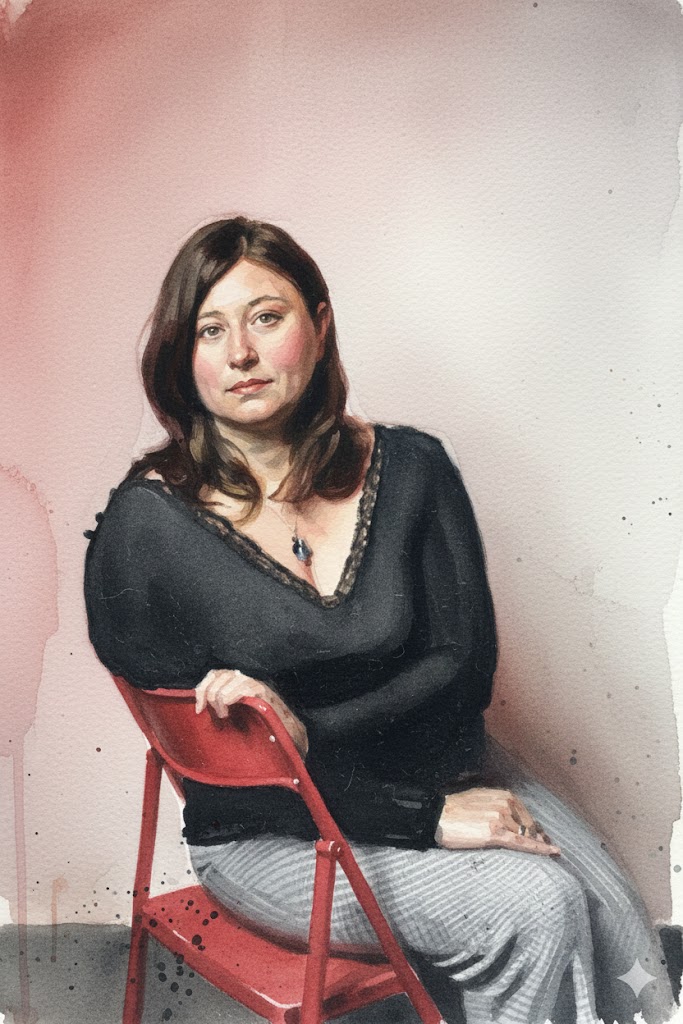
Nacida en Leópolis, Ucrania, es doctora en literatura ucraniana y profesora de estudios literarios. Su investigación se centra en la literatura medieval.

En su poemario Curso intensivo en cócteles molotov (A Crash Course in Molotov Cocktails) encontró las herramientas poéticas para digerir la violencia y el horror de la guerra. Su poesía es estratificada, de un lirismo introspectivo. Tanto el poemario original como su traducción al inglés, de Amelia Glaser y Yuliya Ilchuk, han sido finalistas de varios premios literarios.

Perderse en la Vida (Lost in Living) presenta el trabajo inédito de los años inmediatamente anteriores a la invasión, cuando la vida en Ucrania estaba marcada por la agitación pero la guerra a gran escala aún no se había normalizado. Ha traducido obras de otros escritores del polaco al ucraniano y ha publicado literatura para niños. Kruk participará en el Salón de Poesía de FIL Guadalajara 2025 los días 2 y 3 de diciembre.

nuestro refrigerador desconectado

te amo desde todos los lugares.

todavía hay mucho territorio por explorar,

puedes seguir y seguir, hasta que tu frente choque

con los imanes del refrigerador,

traídos de varios países: no estuvimos juntos aquí, ni allá,

y te envié fotos y textos desde aquí, y te llamé desde allá,

un paisaje espectacular, una nutria de dientes amarillos, un bosque de bambú

que solo se alzaba y se alzaba, cuidando la Tierra,

entonces un día empezó a crecer y se elevó muy alto.

la lista de las ciudades que tenemos que ver

cuando todo esto termine se ha vuelto tan larga

que me pregunto al alba en un país extranjero,

en algún hotel, desde una cama incómoda:

¿nos quedará suficiente vida para ver toda la lista?

¿tendremos suficiente espacio en la cabeza

para todo este extraño crecimiento?

¿tendremos suficiente fuerza para todo esto?

«hay algo de lo que no tienes que preocuparte,» bromeas,
«que cuando ya no tengamos más espacio para imanes,
compremos un refrigerador más grande.»

te amo desde todos los lugares.

vuelvo a ti desde cualquier lugar, como un imán

Traducción del inglés: Mar Martínez, poema original de Halyna Kruk, traducción ucraniano-inglés de Amelia Glaser y Yuliya Ilchuk

Imágenes tomadas de https://chytomo.com/en/halyna-kruk-poetry-goes-through-restrictions-on-sense-sensibility/ (editadas)

By Mar Martínez Leonard

Born in Lviv, Ukraine, she holds a doctorate in Ukrainian literature, is a professor of literary studies, and her research focuses on medieval literature.

In her poetry collection A Crash Course in Molotov Cocktails, she found the poetic tools to process the violence and horror of war. Her poetry is layered, with an introspective lyricism. Both the original collection and its English translation by Amelia Glaser and Yuliya Ilchuk have been finalists for several literary awards.

Lost in Living presents previously unpublished work from the years immediately preceding the invasion, when life in Ukraine was marked by turmoil but full-scale warfare had not yet become the norm. She has translated works by other writers from Polish into Ukrainian and has published children’s literature. Kruk will participate in the Poetry Salon of FIL Guadalajara 2025 on December 2nd and 3rd.

our unplugged refrigerator

i love you from all the places.

there’s still a lot of uncharted territory,

you can go on and on, until your forehead hits

the refrigerator magnets,

brought from various countries: we weren’t together here, or there,

and i sent pictures and texts from here, and i called you from there,

a spectacular landscape, a yellow-toothed otter, a bamboo forest

that just stood and stood, guarding the earth,

then one day it began to grow, and shot way up overhead.

the list of cities we must see

when all this is over has grown so long

that i ask myself at dawn in a foreign country,

in some hotel, in an uncomfortable bed:

will we have enough life left for the whole list?

will we have enough headspace

for all that freakish growth?

will we have enough strength for it all?

«there’s one thing you don’t have to worry about,» you joke,
«if we run out of space for magnets,
we’ll buy a bigger refrigerator.»

i love you from all the places.

i return to you from everywhere, like a magnet

Translation from the Ukrainian by Amelia Glaser & Yuliya Ilchuck, written by Halyna Kruk

Images taken from https://chytomo.com/en/halyna-kruk-poetry-goes-through-restrictions-on-sense-sensibility/ (edited)


SANDRA CISNEROS: LA ESCRITORA QUE CAMBIÓ LAS LETRAS ESTADOUNIDENSES – Sandra Cisneros: The Writer that Changed U.S. Literature

Por Mar Martínez Leonard

En una nación de inmigrantes, a menudo conocemos la vida de otros a través de historias, y en la historia de la literatura estadounidense, pocas escritoras han capturado la energía de la comunidad chicana mejor que Sandra Cisneros, primera mujer estadounidense-mexicana en ser publicada por una gran editorial.

Cisneros nació en Chicago en 1954. Sus padres, ambos mexicanos, llevaban con frecuencia a la familia a su país de origen a conocer su herencia. Desde niña fue una lectora voraz, aunque veía un problema en los libros que leía, ya que no reflejaban el mundo que ella conocía.

Escribió su primer poema a los diez años, fue editora de la revista literaria de su escuela secundaria y se graduó en arte por la Universidad de Loyola. Pero fue durante un seminario de escritura cuando se dio cuenta de que si escribía sus propias experiencias, sus escritos serían únicos y traerían una voz nueva a la literatura estadounidense.

Ya su primer libro de poesía Bad Boys (Chicos Malos) rompió con el estándar al utilizar slang chicano. The House on Mango Street (La casa en Mango Street), su novela debut, invitó a los lectores a conocer la vida de una familia chicana que vivía y trabajaba en Chicago. En ella, la protagonista, Esperanza Cordero, narra en su propia voz su viaje de transición a la adultez, en el que va perdiendo la inocencia cuando se enfrenta al abuso y la discriminación. Esta novela es reconocida ahora como un clásico de la literatura hispano-estadounidense y ha vendido millones de copias. Otras de sus obras en prosa son Caramelo y El arroyo de la llorona.

Cisneros vive actualmente en San Miguel de Allende, México, y se espera que participe en el Salón de Poesía de la Feria Internacional del Libro de Guadalajara 2025, el próximo 4 de diciembre, y en la Noche de Poesía Expandida el 5 de diciembre.

By Mar Martínez Leonard

In a nation of immigrants, we often learn about the lives of others through stories, and in the history of American literature, few writers have captured the energy of the Chicano community better than Sandra Cisneros, the first Mexican-American woman being published by a major publishing house.

Cisneros was born in Chicago in 1954. Her parents, both Mexican, often took the family to their home country to learn about their heritage. Since she was a child, she was a voracious reader, but she saw a problem in the books she read, because they did not reflect the world she knew.

She wrote her first poem at age ten, was editor of her high school’s literary magazine and graduated with a degree in arts from Loyola University. But it was during a writing seminar when she realized that if she wrote about her own experiences, her writing would be unique and would bring a new voice to American literature.

Her first book of poetry, Bad Boys, broke with the standard by using Chicano slang. The House on Mango Street, her debut novel, invited readers to learn about the life of a Chicano family living and working in Chicago. In it, the main character, Esperanza Cordero, narrates in her own voice her journey of transition to adulthood, in which she loses her innocence when she faces abuse and discrimination. This novel is now recognized as a classic of Hispanic-American literature and has already sold millions of copies. Other of her prose works are Caramelo and Woman Hollering Creek.

Cisneros currently lives in San Miguel de Allende, Mexico, and she is expected to participate in the Poetry Salon of the Guadalajara International Book Fair 2025, on December 4, as well as in the Expanded Poetry Night on December 5.

Imagen superior tomada de https://www.womenshistory.org/education-resources/biographies/sandra-cisneros (editada) Imagen inferior tomada de https://www.britannica.com/biography/Sandra-Cisneros (editada) – Image above taken from https://www.womenshistory.org/education-resources/biographies/sandra-cisneros (edited) Image below taken from https://www.britannica.com/biography/Sandra-Cisneros (edited)

SUEÑOS TAPATÍOS – Guadalajara Dreams

Por Armida Reed

Esta hermosa ciudad

Guadalajara, mi amiga

me abrió sus puertas un día

y aquí me quedé a soñar

.

Soñaba que éramos novios

soñaba que me querías

soñaba con ser poetisa

y así era de verdad

.

Los muros de Guadalajara

se elevan hasta las nubes

solo trépalos y subes

adonde quieras llegar

.

Escribo porque soy libre

escribo porque te quiero

escribo porque ahora tengo

nueva alma tapatía

.

El aire de esta ciudad

me acaricia y me regala

la palabra libertad

Images: WPIA

By Armida Reed

This beautiful city

Guadalajara, my friend,

opened her doors one day

and here I stayed to dream

.

I dreamed that we were engaged

I dreamed that you really loved me

I dreamed of being a poetess,

and that’s how it truly was

.

The walls of Guadalajara

rise all the way to the clouds,

just climb them and you’ll arrive

as far as you want to be

.

I am writing because I am free

I am writing because I love you

I am writing because I’ve got

a new Tapatía soul

.

The air of this city

is caressing you

with the present

of the word liberty

——————-

Author’s Translation

JUNTANDO LOS FRAGMENTOS –Putting the fragments together –Riunendo i frammenti

Por Lunnático

Busca en los propósitos de la tarde una escoba y un recogedor para ir juntando los fragmentos de la vida. Como aquél en que te cuidaba la fiebre, y a eso de las siete comimos de la comida china que nos regaló el hermano de Pepe. La cobija se te escurría por los hombros, la piyama blanca con flores rositas, te veías desaliñada, triste. Será porque me vine a vivir contigo, pensé, pero nunca te lo dije. Una vez te vi, con tu pelo negro, me perseguía una idea perturbadora, guardé silencio y tus manos se agrietaron, te llenabas de pigmentaciones, la piel se escurría, vi la enfermedad y la tristeza de tus ojos marchitos, vino el tiempo de golpe y me arrojó la decrepitud. Me veía horrorizado ante tu muerte, no soporté la idea de cuidar de ti y comenzó el infierno.

By Lunnático

Look for a broom and a dustpan in your afternoon resolutions to gather the fragments of life. Like the one where I took care of your fever, and around seven we ate the Chinese food that Pepe’s brother gave us. The blanket was slipping off your shoulders, the white pajamas with pink flowers, you looked disheveled, sad. It must be because I came to live with you, I thought, but I never told you. Once I saw you, with your black hair, I was haunted by a disturbing idea, I was silent and your hands cracked, you were filled with pigmentation, your skin was slipping, I saw the illness and sadness of your withered eyes, time suddenly came and threw me into decrepitude. I looked horrified at your death, I couldn’t bear the idea of taking care of you and hell began

Translation by Mar Martínez

Di Lunnático

Cercate nei vostri propositi pomeridiani una scopa e una paletta per raccogliere i frammenti di la vita. Come quello in cui io ti curava la febbre, e verso le sette abbiamo mangiato il cibo cinese che ci aveva dato il fratello di Pepe. La coperta ti scivolava dalle spalle, il pigiama bianco a fiori rosa, sembravi scarmigliato, triste. Sarà perché sono venuto a vivere con te, ho pensato, ma non te l’ho mai detto. Una volta che ti ho visto, con i tuoi capelli neri, sono stato perseguitato da un’idea inquietante, stavo in silenzio e le tue mani si screpolavano, eri pieno di pigmentazione, la tua pelle scivolava, ho visto la malattia e la tristezza dei tuoi occhi appassiti, il tempo è venuto all’improvviso e mi ha gettato nella decrepitezza. Ho guardato inorridito la tua morte, non potevo sopportare l’idea di prendermi cura di te ed è iniziato l’inferno.

Traduzione di Mar Martínez

POEMA A MIS ABUELOS – Poem to my Grandparents – Poesia ai miei nonni

Pájaros, pájaros, pájaros de mil colores
Pájaros en la infancia de mis abuelos
Arco iris de los abejarrucos
Amarillo de las abubillas con su cresta emplumada
Verde de las carracas
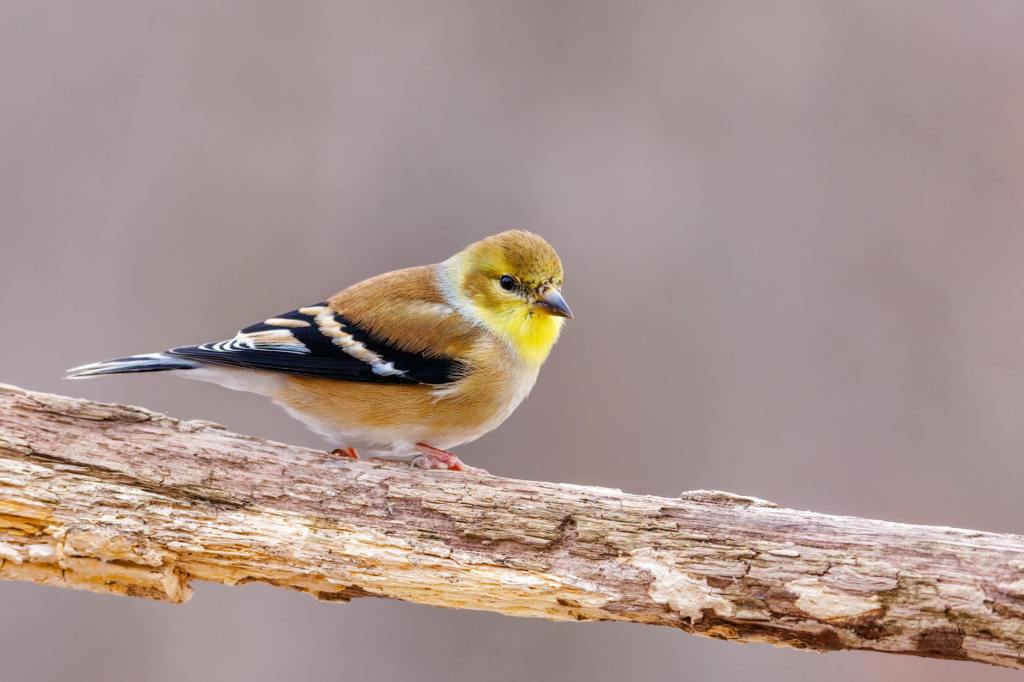
Miniatura natural en el traje de los jilgueros
Negro de los vencejos
Camuflaje de las alondras
Panza blanca en las alturas del águila culebrera
Casitas de barro de las golondrinas
Camas de pajitas y tierra de las perdices
El canto de todos saludando al día y el alboroto al ponerse el sol
Pájaros en la infancia de mis abuelos

Birds, birds, birds of a thousand colors
Birds in my grandparents’ childhood
Bee-eater rainbow
Yellow hoopoe with its feathered crest
Green of the rollers
Natural miniature of the goldfinches’ suit
Black of the swifts
Larks’ camouflage
White belly in the heights of the short-toed eagle
Swallows’ clay houses
Straw beds and land of partridges
The singing of everyone greeting the day and the commotion as the sun sets
Birds in my grandparents’ childhood

—————————————
Jerónimo Martínez González 04/08/2023
—————————————
(1) Photo by Skyler Ewing, Swallow
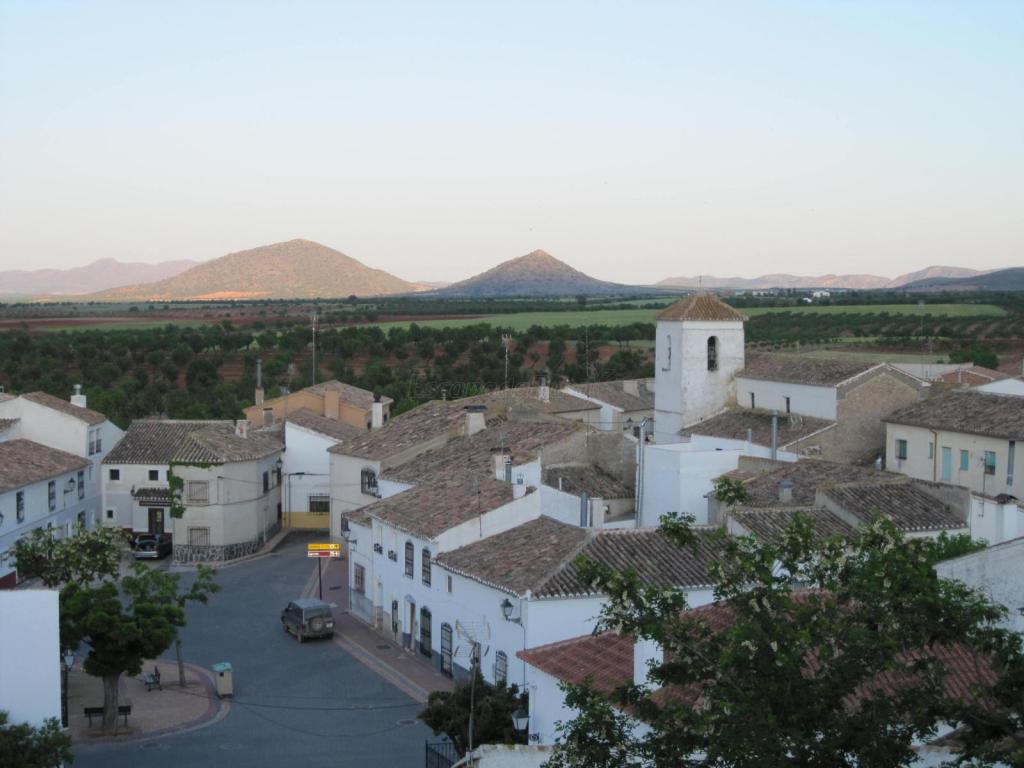
(2) Photo El Contador, Almería
(3) Photy by Aaron Jhill, Goldfinch


Uccelli, uccelli, uccelli dai mille colori
Uccelli nell’infanzia dei miei nonni
Arcobaleno del gruccione
Upupa gialla con la sua cresta piumata
Verde dei cricchetti
Miniatura naturale nel vestito dei cardellini
Rondoni neri
Camuffamento delle allodole
Ventre bianco sulle alture del biancone
Le case d’argilla delle rondini
Letti di paglia e terra di pernici
Il canto di tutti saluta la giornata e la commozione mentre il sole tramonta
Uccelli nell’infanzia dei miei nonni

—————————————
Jerónimo Martínez González 08/04/2023
—————————————
(1) Foto di Skyler Ewing, Rondine
(2) Foto El Contador, Almería
(3) Foto di Aaron Jhill, Cardellino

Traduzione: Marimar Martínez

EN DEFENSA DE EUROPA — In Defense of Europe — In difesa d’Europa

Por Rio Cruz

Europa: El continente. Cuna del fascismo: perdedores, vencedores. Europa, siempre enfrentada. Europa no descansa. Europa «necesita» que la contengan desde afuera. Europa pelea. ¿Pero, qué es Europa? No, no, no… no es un continente. Europa, la del imperio caído. Europa, la cuna de la filosofía y de la democracia. Todo eso es Europa.

By Rio Cruz

Europe: the continent. Cradle of fascism: losers, winners. Europe, always in conflict. Europe does not give up. Europe «needs» to be contained from outside. Europe fights. But what is Europe? No, no, no… it is not a continent. Europe, the one of the fallen empire. Europe, cradle of philosophy, and of democracy. All of that is Europe.

Author’s translation

Di Rio Cruz

Europa: il continente. Cuna del fascismo: vinti, vincitori. Europa, sempre in conflitto. Europa non si riposa. Europa “ha bisogno” di essere contenuta dall’esterno. Europa combatte. Ma cos’è Europa? No, no, no… non è un continente. Europa, quella dell’impero caduto. Europa, cuna della filosofia e della democrazia. Tutto questo è Europa.

Tratraduzione dell’autore

MEMORIA FUTURA DE AQUELLA PRIMAVERA – Future Memoir of that Spring – Ricordo Futuro di Quella Primavera

Por Rio Cruz

Cuando llegó la primavera fascista, la gente de bien no estaba preparada. La sociedad de plástico y gasolina quemada por motores viejos se asomaba al precipicio de su propia destrucción. ¿Cuánto tiempo resistirían los héroes y heroínas en sus puestos de demócratas convencidos? Eran muchos los que no estaban de acuerdo con las atrocidades que todos sufrían, aunque eran pocos los que se atrevían a denunciarlo. Lo más bello y preciado de aquel gran lugar parecía ahora tan frágil como el cristal.

By Rio Cruz

When the fascist Spring arrived, good people were not prepared. The society of plastic and gasoline burned by old engines was looking toward the precipice of its own destruction. How long would the heroes and heroines resist in their positions of convinced democrats? There were many who did not agree with the atrocities that everyone suffered, although just a few dared to denounce it. The most beautiful and precious thing about that great place now seemed as fragile as glass.

Author’s translation

Di Rio Cruz

Quando arrivò la primavera fascista, le persone di bene non erano preparate. La società della plastica e della benzina bruciata dai vecchi motori stava affrontando il precipizio della propria distruzione. Per quanto tempo gli eroi e le eroine resisterebbe nelle loro posizioni di democratici convinti? Molti non erano d’accordo con le atrocità soffrite da tutti, anche se pochi osavano denunciarle. Lo più bello e prezioso di quello grande luogo sembrava ora così fragile come il cristallo.

Tratraduzione dell’autore

Imágenes creadas con WordPress – Image created with WordPress – Imigini create con WordPress

All Over – Por todas partes – DAPERTUTTO

By Rio Cruz

I wake up in the morning: too many things make me cry

A pink shout, a sunrise full of blood

Poetry is a weapon that kills the conscience and the faith like flaming ash

Passionate beautiful unexpected,

poetry is my muse, and I am an ardent lover

Oh red companion,

take me to your bed and sprinkle my soul with your music all over

Poem musicalized in Suno with lyrics by Rio Cruz:

Por Rio Cruz

Me despierto por la mañana: demasiadas cosas me hacen llorar

Un grito rosa, un amanecer encarnado

La poesía es un arma que mata la conciencia y la fe como ceniza llameante

Apasionada hermosa inesperada

La poesía es mi musa, y yo soy un amante ardiente

Oh compañera roja,

llévame a tu lecho y rocía mi alma con tu música por todas partes

Traducción del autor

Poema musicalizado en Suno con Letra de Rio Cruz:

Di Rio Cruz

Al matino mi sveglio, troppe cose mi fanno piangere

Un grido rosa, un’alba piena di sangue

La poesia è un’arma che uccide la coscienza e la fede come cenere fiammeggiante

Appassionata bella inaspettata,

la poesia è la mia musa ispiratrice e io sono un’amante ardente

Oh compagna rossa,

portami nel tuo letto e cospargi la mia anima con la tua musica dapertutto

Traduzione dell’autore

—————

Poesia musicata in Suno con testi di Rio Cruz:

Images: WordPress image generator // Imágenes: Generador de imágenes WordPress // Immagini: generatore di immagini WordPress

The Border – LA FRONTERA

By Rio Cruz

I will write a novel about you

in the wind.

The wind will be blowing

and you will be gone in the wind.

With eyes of contempt

they will be watching me

stay on this side of sorrow,

on this side of the universe.

There’s no means,

no means,

the border was built already.

———————

Images above & below: Contemplating water, WordPress image generator

Por Rio Cruz

Escribiré una novela sobre ti

en el viento.

El viento soplará

y te habrás ido en el viento.

Con ojos de desprecio

me verán quedarme

a este lado de la pena,

a este lado del universo.

No existe la forma,

no hay manera,

ya se construyó

la frontera

______

Traducción del autor

—————-

Imágenes superiores: Contemplando el agua, Generador de imágenes de WordPress

Photo by Pixabay – Foto de Pixabay

HOW TO BECOME FIREBIRD IN NYC — Como convertirse en pájaro de fuego en NYC– Come Diventare Uccello di Fuoco a NYC

By Mar Martínez Leonard

New York,

city of the lonely hearts

lonely hearts that eat lunch at 1 p.m.

.

At 1 p.m. they eat lunch and they eat breakfast

only it is too late for breakfast

so they eat breakfast-lunch: brunch

.

Lonely hearts of New York City

what a bunch of meals are served lonely

so lonely is the new only

only in New York I can paint you with a stroke of ink

instead of a brush

.

Like an fantasy firebird that lands on your plate

lonely-blue-full

ready to devour all your food

and vomit it away on the melting pot

.

The melting pot

sometimes ready

to cook a better meal

that is served cold

for most of us,

most of us


Por Mar Martínez Leonard

Nueva York

ciudad de corazones solitarios

que comen lunch a la 1 pm

.

A la 1 pm comen lunch y comen breakfast

solo es muy tarde para breakfast

así que comen breakfastlunch: brunch

.

Corazones solitarios de Nueva York

qué multitud de comidas servidas en solitario

ahora la soledad es la nueva exclusiva,

solo en Nueva York puedo pintarte con un trazo de tinta

en lugar de un pincel

.

Como una imaginaria ave de fuego que aterriza en tu plato

solitaria-azul-satisfecha

a punto de deborar toda tu comida

y vomitarla sobre el crisol de culturas

.

El crisol de culturas,

a veces listo para cocinar una mejor comida

que se sirve fría

para la mayoría de nosotros

la mayoría de nosotros

Traducción de la autora

Di Mar Martínez Leonard

New York

città dei cuori solitari

che fanno lunch alle ore 13:00

Alle ore 13:00 fanno lunch e fanno breakfast

È troppo tardi per breakfast

Quindi fanno breakfastlunch: brunch

.

Cuori solitari di New York

che moltitudine di pasti serviti da soli

Ora la solitudine è la nuova esclusiva

.

Solo a New York posso colorarti con un tratto di inchiostro

invece un pennello

come un immaginario uccello di fuoco che si posa sul tuo piatto

solitario-blu-soddisfatto

sul punto di divorare la tua solitudine

e vomitarla nel crogiolo di culture

.

Il crogiolo di culture,

a volte pronto per cucinare un pasto migliore

che viene servito freddo

per la maggior parte di noi

la maggior parte di noi

Traduzione dell’autore