
EN EL CENTRO DE MI PECHO
POR JERÓNIMO MARTÍNEZ GONZÁLEZ
Ya desde muy pequeñito he sido un recitador de versos, no sé si bueno, pero sí muy solicitado. Mi trayectoria en este terreno va desde la primera vez cuando tenía unos cuatro años hasta la grabación en audiolibro para Storytel de un poemario de Walt Whitman hace dos o tres años. Entre un punto y el otro está mi papel en el seminario de Almería como encargado habitual de recitar los poemas en los actos y la costumbre, posiblemente un poco cargante en ocasiones, de recitarles poemas a mis hijos mientras conducía en nuestros viajes. De ahí pasé a disfrutar mucho con el teatro, tanto que, una vez, después de algún recitado o alguna representación en Almería me dijo Don Juan, el superior del seminario:
-Muy bien, muy bien, Jerónimo. Pero a ver si con las tablas no llegas al último escalón.
Aludiendo obviamente a que temía que mi entusiasmo por el teatro me desviara del camino que había emprendido, que era el de subir las gradas del altar como sacerdote. La primera vez que me recuerdo recitando unos versos fue en la petición de mano de mi tía Pepa por mi tío Nicolás, en 1948, en el cortijo propiedad de los padres de ella, la Bermeja. A mi maestro, Don Antonio, le habían hecho gracia unos versos de una viñeta del humorista gráfico Miranda, del diario Ideal de Granada, y me hizo aprendérmelos:
¿Qué culpa tiene el tomate
que lo arranquen de la mata,
lo metan en una lata
y cobren un disparate?
Por lo que se ve, la gente se divertía mucho viendo a un pequeñajo como yo
recitando semejante amago de crítica social. En concreto en la Bermeja, recuerdo que, a los postres, me subieron a la mesa y desde allí recité esos versos y no sé si algunos otros. Creo que fue no mucho tiempo después cuando el abuelito me enseñó otros versos:
En el cielo, las estrellas,
en la tierra, las espinas,
y en el centro de mi pecho
la República Argentina *

No sé si en el centro del pecho o en cualquier otro lugar iba yo guardando aquella Argentina que mi abuelo iba dibujando día a día con su continua añoranza, pero eso debió de ser lo que me hizo conmoverme tan profundamente cuando, en abril de 1987, al aterrizar en el aeropuerto de Buenos Aires, al amanecer, después de sobrevolar el mar de casitas bajas del conurbano bonaerense, el piloto dijo:
-Hemos aterrizado en el aeropuerto de Ezeiza. Bienvenidos a la República Argentina.
Había aprovechado las vacaciones de Semana Santa y un complemento del billete aéreo que se llamaba “Visite Argentina” para, una vez acabada la Feria del Libro y el Congreso de bibliotecarios al que me habían invitado, viajar en pocos días a Mendoza, a Córdoba y a Rosario. En Mendoza contraté un taxi para visitar en el día casi completo que estuve allí los puntos de referencia de mi abuelo: el Cerro de la Gloria donde estaba mi abuelo en una foto que tenía en mi cuarto, el Hospital Lencinas, el Parque General Sanmartín, la Avenida de Las Heras. De allí me fui a Córdoba donde conocí a mis parientes argentinos, visité la tumba de mi bisabuela María y vi algunas cosas de las que uno va dejando de pasada por los sitios donde ha vivido como:
-Tu abuelo trabajó en ese tanque –así lo llamaban, era un depósito de agua.
Después, creo que con escala y pernoctación en Buenos Aires, viajé a Rosario, donde fui a visitar en su convento a la tía Ana, Sor Valentina para las monjas. Hice el viaje con avidez, queriendo registrarlo todo, vivirlo todo, mirándolo todo con un sentimiento de pertenencia a aquel país que estaba visitando por primera vez. Eran tiempos difíciles para la Argentina. ¿Y cuándo no lo han sido en los últimos setenta años? Mientras yo sobrevolaba el país en avión y flotaba en mis recuerdos incluso cuando estaba en tierra, estaba en marcha el golpe de estado del teniente coronel Rico. Luego vinieron las otras intentonas militares, la hiperinflación y el desánimo por ver el país levantarse y volver a caer una y otra vez. Sería frívolo y casi insultante decir que compartía el dolor y la desesperación de los argentinos cuando yo tenía un excelente sueldo en dólares, un estatuto diplomático y la posibilidad de alejarme cuando quisiera mientras que mis familiares, mis compañeros de tertulia, mis amigos veían cómo sus sueldos miserables se les deshacían en el bolsillo como humo por la hiperinflación y les era imposible pagar un coche decente o un apartamento o comprar un pasaje para salir del país.

Sin embargo, aquel sentimiento de pertenencia que el abuelito había ido sembrando en algún lugar de mi pecho con su nostalgia estuvo siempre ahí durante toda mi estancia en la Argentina. Y sigue estando. En uno de mis primeros actos como Viceconsejero de Cultura de la Junta de Andalucía en el otoño de 1982 fui a Chirivel, la capital de mi municipio, a inaugurar la biblioteca pública. Era mi primer cargo de alguna relevancia, que tenía recién estrenado, y llegué al lugar de la inauguración a aquella que era mi tierra y me apeé del coche oficial con un sentimiento de orgullo cuyo recuerdo me hace ahora sonrojarme. Pero allí estaban mi abuelo y mi padre, a los que me acerqué a saludar con un beso, muchísimo más llenos de orgullo que yo. He pensado muchas veces que qué pena que la llama de la vida del abuelito no le hubiera durado unos años más o que yo no hubiera tenido la oferta de la Agregaduría Cultural a la Embajada de España en Buenos Aires algunos años antes, y he fantaseado con lo orgulloso que estaría él de mí y yo de él presentándolo en una recepción a mis compañeros de la embajada o llevándolo a visitar el Hospital Lencinas, o la Avenida de las Heras, como hice yo la primera vez que viajé a Mendoza. Aunque después de haber escrito el relato pienso que quizá ha sido mejor que el abuelito no haya tenido ocasión de sentir de nuevo allí la puñalada de la ausencia.
—————————————————
* Cuarteta atribuida a José Piñeiro https://www.elheraldo.com.ar/noticias/185860_en-el-cielo-las-estrellas-en-el-campo-las-espinas-y-en-el-medio-de-mi-pecho-la-republica-argentina.html
—————————————————-
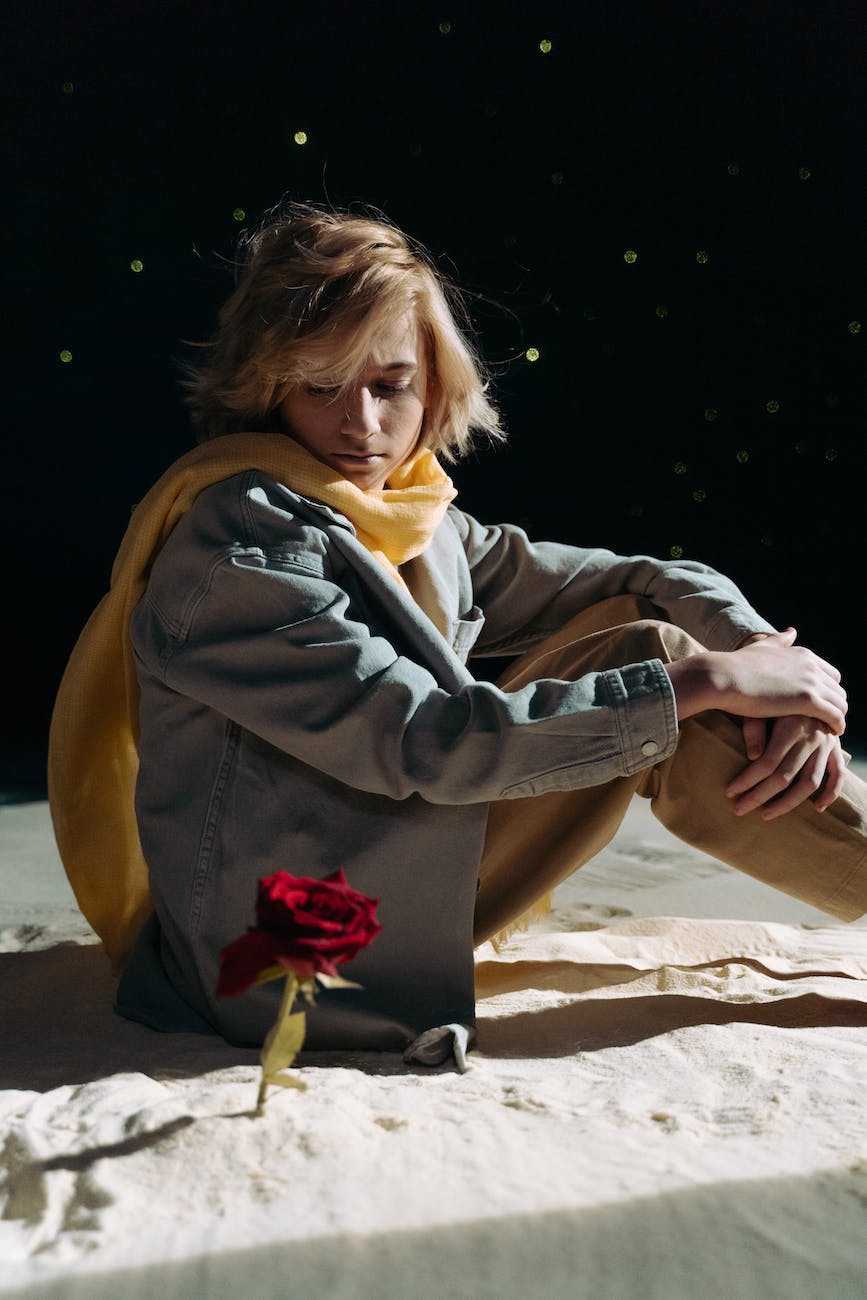
IMÁGENES, DE ARRIBA A ABAJO: Le Petit Prince, Cottonbro; Monumento al Ejército de Los Andes en el Cerro de la Gloria, Mendoza; Vista del Obelisco de Buenos Aires; El Hada de Ba, Campos Jesses, Uriburu 1073 – Recoleta, Buenos Aires; Raúl Alfonsín, padre de la democracia para siempre, ADN Digital; Cementerio de la Recoleta, Buenos Aires

IN THE CENTER OF MY CHEST
BY JERONIMO MARTINEZ GONZALEZ
Since I was very little I have been a reciter of verses. I am not sure if a good one, but a highly requested one. My career in this field goes from the first time when I was about four years old to an audiobook recording for Storytel of a collection of Walt Witman poems two or three years ago. Between one time and the other is my role in the seminar in Almeria as usually being in charge of reciting poems during events, and the habit, possibly a bit tiresome at times, of reciting poems to my children while driving in our trips. From then on, I began to enjoy the theater a lot, so much that, one time after a recitation or some performance in Almería, Don Juan, the superior of the seminary, told me:
-Very good, very good, Jerome. But let’s see if with the boards you don’t reach the last step.
Alluding, obviously, to the fact that he feared my enthusiasm for the theater would divert me from the path I had undertaken, which was to climb the steps of the altar as a priest. The first time I remember reciting some verses was at my uncle Nicholas’ marriage proposal for my aunt Pepa in 1948, in the farmhouse owned by her parents, La Bermeja. My teacher, Don Antonio, had been amused by some verses from a vignette by cartoonist Miranda, from the Ideal newspaper in Granada, and he made me learn them:
What fault has got the tomato
if they pull it from the plant
they squeeze it in a can
and charge you a nonsense?
Apparently, people had a lot of fun watching a little boy like me reciting such a hint of social criticism. In particular, at La Bermeja, I remember they placed me on a table at dessert, and from there, I recited those verses, and I am not sure if some other too. I think it was not long after when Grandpa taught me these other verses:
The stars in heaven
the spines on earth
and the Argentine Republic
in the center of my chest *
I don’t know if in the center of my chest, or in any other place, I was gradually keeping the Argentina that my grandfather was drawing day by day with his longing. But that must have been what made me move so deeply when, in April of 1987, upon landing at the Buenos Aires airport at dawn, after flying over the sea of low-rise houses in the suburbs, the pilot said:
-We have landed at the Ezeiza airport. Welcome to the Argentine Republic.
I had taken advantage of the Easter holidays and a supplement to the air ticket called «Visit Argentina» so that, once the Book Fair and the Librarians’ Congress to which I had been invited were over, I would travel to Mendoza, Cordoba and Rosario. In Mendoza I hired a taxi to visit my grandfather’s landmarks for almost the entire day I was there: The Hill of Glory where my grandfather was in a photo I had in my room, Lencinas Hospital, General San Martin Park, Las Heras Avenue. From there I went to Córdoba where I met my Argentinian relatives, I visited the grave of my great-grandmother María, and I saw some things that people leave behind in passing through the places where they have lived, such as:
-Your grandfather worked in that tank –it was a water tank.

Later, I think with a stopover and an overnight stay in Buenos Aires, I traveled to Rosario, where I went to visit Aunt Ana, Sister Valentina for the nuns, at her convent. I made the trip eagerly, wanting to record it all, experience it all, looking at it all with a sense of belonging to the country I was visiting for the first time. They were difficult times for Argentina. And when have they not been in the last seventy years? As I flew over the country and floated in my memories even when I was on the ground, Lieutenant Colonel Rico’s coup was underway. Then came the other military attempts, hyperinflation and discouragement at seeing the country rise and fall again and again. It would be frivolous and almost insulting to say that I shared the pain and despair of the Argentinians when I had an excellent salary in dollars, a diplomatic status and the possibility of leaving whenever I wanted while my relatives, my social gathering partners, my friends, saw how their their miserable salaries melted away in their pockets like smoke and they were unable to afford a decent car or an apartment or to buy a ticket out of the country.

However, that feeling of belonging that grandpa had been sowing with his nostalgia somewhere in my chest was always there throughout my stay in Argentina. And it still is. In one of my first events as Deputy Minister of Culture of the Junta de Andalucía in the fall of 1982, I went to Chirivel, the capital of my municipality, to inaugurate the public library. It was my first position of some relevance, and I arrived at the inauguration site to what was my land, and I got out of the official car with a feeling of pride whose memory now makes me blush. But there were my grandfather and my father, whom I approached to greet with a kiss, much more full of pride than me. I have thought many times that what a pity that the flame of grandpa’s life had not lasted a few more years, or that I had not had the offer from the Cultural Attaché Office at the Spanish Embassy in Buenos Aires a few years earlier, and I have fantasized about how proud he would be of me and me of him, presenting him at any reception to my colleagues at the embassy or taking him to visit the Lencinas Hospital, or Avenida de las Heras, as I did the first time I traveled to Mendoza. But after having written this story, I think that perhaps it was better that grandpa did not have the opportunity to feel the stab of absence there again.
———————————————–
* Quatrain attributed to José Piñeiro https://www.elheraldo.com.ar/noticias/185860_en-el-cielo-las-estrellas-en-el-campo-las-espinas-y-en-el-medio-de-mi-pecho-la-republica-argentina.html
——————————
IMAGES, TOP TO BOTTOM: Le Petit Prince, Cottonbro; Monument to the Army of the Andes at the Hill of Glory, Mendoza; View of the Obelisk in Buenos Aires; The Fairy of Ba, Campos Jesses, Uriburu 1073 – Recoleta, Buenos Aires; Raúl Alfonsín, father of democracy forever ADN Digital; Recoleta Cemetery, Buenos Aires
TRANSLATION: MAR MARTÍNEZ LEONARD



 EL ARTCA