
RAÚL ALCOVER: EL MÚSICO QUE LLEVA ENTRE LAS MANOS EL SOL DE PLAZA NUEVA / Raúl Alcover: The Musician that Carries the Sun of Plaza Nueva in His Hands

Por María Martínez Sánchez

En su nuevo álbum, Granada recibe a Raúl con luz de primavera, le pone entre las manos el sol de Plaza Nueva; mientras, le dice que le quiere la Torre de la Vela y descubre en su perfume barquillos de canela. Luego resbala por el hilo que alcanza una cometa, porque hay magia por el aire rondando en las aceras (1).

Y es que Raúl Alcover no es un músico más, sino un cantautor lírico granadino que ha sobrevivido a décadas de cambios en la industria, manteniendo intacta su esencia. Los premios, reconocimientos y nominaciones están ahí, aunque lo que realmente cuenta es su apertura a mezclar géneros preservando el alma musical de su ciudad.

Desde los quince años, cuando se metió de lleno en el colectivo cultural andaluz Manifiesto Canción del Sur, ya estaba claro que no iba a ser un artista de manual: era un inconformista, un explorador de sonidos. Su versatilidad es muy amplia: folk, flamenco, bossa nova, jazz, pop, rock, balada… todo cabe en su universo.

Artistas como él no hacen música solo para complacer, sino por compromiso social y necesidad vital. Su nuevo trabajo Toda la noche oyeron pasar pájaros fue presentado en octubre de 2025, y estará disponible en CD en enero de 2026. Ha sido producido por Pablo Salinas.

Con todo lo anterior en mente, y con la mayoría de las preguntas centradas en este último álbum, comienzo mi entrevista:

MARÍA: Raúl, primero me gustaría que volviéramos a tus inicios como músico. Creo que tenías  quince años cuando te uniste a Manifiesto Canción del Sur ¿es correcto? ¿Cómo recuerdas aquel momento?

RAÚL: Me uní a Manifiesto con apenas quince años y supuso despertar mi conciencia andaluza y pelear por mi tierra.

M: Tu apellido es Alcover y has comentado antes que tu familia viene de Granada y de fuera de Granada ¿por casualidad tienes algún parentesco con el poeta mallorquín Joan Alcover?

R: Que yo sepa no. De todos modos Alcover es un apellido común en las zonas catalana y mallorquina.

M: En tu obra hay una presencia constante de la poesía. Sé que has trabajado con versos de Lorca y de Javier Egea. ¿Qué lugar ocupa para ti la poesía dentro de la música? ¿Crees que la poesía es un territorio paralelo al de la música, o que ambas se funden en un mismo fluir de expresión?

R: Hago canciones que como sabes se componen de letra y de música. Cuido la letra tanto o más que la música. Y van de la mano.

M: Sí, se nota… Por cierto, en este último trabajo ¿quién es el autor de la letra de las canciones?

R: Las letras son mías excepto Rastros (3) y Ella no sabía nada (2)…de Javier Egea. El disco llevará más temas. Es un adelanto y un guiño a Javier, con el que hice Noche canalla, una de mis canciones más famosas y mejores.

M: ¿La musicalización de Noche canalla ocurrió antes de la tragedia de Javier o a posteriori?

R: Mucho antes de morir…En 1981. Noche Canalla nace independiente. La Tertulia organiza un concurso de letras de tango argentino en Granada y se decide que quien debe poner música a la letra ganadora sería yo. Y ganó Javier con ese poema.

M: ¿Entonces Noche Canalla es un tango? Fantástico…

R: Que yo hice balada.

M: Otra musicalización tuya de un poema de Javier Egea, Ella no sabía nada (2), la acabo de oír; tu musicalización y la grabación la hacen todavía más especial, qué belleza.

R: Quería hacer de ella una breve sinfonía.

M: ¿Quién ha diseñado la portada de Toda la noche oyeron pasar pájaros?

R: La portada y diseño del disco es obra de Lady Desidia.

M: Gracias por responder a las preguntas de El Artca.

R: Gracias María.

………………………..

Graná es de grana: tanguillos granadinos con toque de cumbia, letra y música R. Alcover (1)

A la deriva, pop-blues letra y música Raúl Alcover

Ella no sabía nada, sinfonía breve de Raúl Alcover con letra de Javier Egea (2)

Teresita, vals-bulería inspirada por la pianista colombiana Teresita Gómez, letra y música R. Alcover

Rastros, bossa nova: música de R. Alcover, letra Javier Egea, guitarra Miguel Ángel Corral (3)

Geología, rock sinfónico inspirado tras leer un relato de María Alcázar, letra y música R. Alcover (4)

By María Martínez Sánchez

In his new album, Granada welcomes Raúl with spring light, it puts the sun of Plaza Nueva in his hands, while telling him that the Torre de la Vela loves him, and he discovers cinnamon wafers on its perfume. Then he slides down the thread that reaches a kite, because there is magic in the air singing on the sidewalks. (1)

Because Raúl Alcover is not just another musician but a lyrical songwriter-singer from Granada who has survived decades of changes in the industry, keeping his essence intact. The awards, recognitions and nominations are there, although what really counts is his openness to mixing genres while preserving the musical soul of his city.

From the age of fifteen, when he fully immersed himself in the Andalusian cultural group Manifesto Canción del Sur (Manifesto Song of the South) it was already clear that he was not going to be a standard artist: he was a nonconformist, an explorer of sounds. His versatility is very wide: folk, flamenco, bossa nova, jazz, pop, rock, ballads… everything fits in his universe.

Artists like him do not make music just to please, but out of social commitment and vital necessity. His new work, Toda la noche oyeron pasar pájaros (All night they heard birds passing by) was presented in October 2025 and it was produced by Pablo Salinas. It will be available on CD in January 2026.

With all this in mind, and with most questions concerning this latest album, I begin my interview:

MARÍA: Raúl, first I would like us to go back to your beginnings as a musician. I think you were fifteen years old when you joined Manifesto Canción del Sur, is that correct? How do you remember that moment?

RAÚL: I joined Manifesto when I was barely fifteen years old and it meant awakening my Andalusian conscience and fighting for my land.

M: Your last name is Alcover, and you have mentioned before that your family comes from Granada and from outside of Granada, are you by any chance related to the Majorcan poet Joan Alcover?

R: Not that I know of. In any case, Alcover is a common surname in the Catalonian and Majorcan areas.

M: In your work there is a constant presence of poetry. I know that you have worked with verses by Lorca and Javier Egea. What place does poetry occupy in your music? Do you think that poetry is a parallel territory to that of music, or that both merge into the same flow of expression?

R: I compose songs that, as you know, are made up of lyrics and music. I care about the lyrics as much or more than the music. And they go hand in hand.

M: Yes, it shows… By the way, in this latest work, who is the author of the lyrics of the songs?

R: The lyrics are mine except for Rastros (Footprints) (3) and Ella no sabía nada (She didn’t know anything) (2) by Javier Egea. The album will have more songs. It is a preview and a nod to Javier, with whom I made Noche Canalla (Rogue night), one of my most famous and best songs.

M: Did the musicalization of Noche canalla happen before Javier’s tragedy or afterward?

R: Long before he died…In 1981. Noche Canalla was born independent. La Tertulia organizes an Argentinian tango lyrics contest in Granada and it is decided that the person who should set the winning lyrics to music would be me. And Javier won with that poem.

M: So Noche Canalla is a tango? Fantastic…

R: That I made a ballad.

M: Another musicalization of yours of a poem by Javier Egea, She didn’t know anything (2), I just heard it; your musicalization and the recording make it even more special, what a beauty.

R: I wanted to make it a short symphony.

M: Who designed the cover of All Night They Heard Birds Going By?

R: The cover and design of the album is the work of Lady Desidia.

M: Thank you for answering El Artca’s questions.

R: Thank you Maria.

Geology (lyrics by Raúl Alcover) (4)

I contemplate on the mirror the geology of my image, the bark cracks of the passing of the years with the shadows of earthquakes I have lived, the kisses of oblivion, the marks of much laughter and disappointment, the creases guard my eyes, in my eyelids, signals of sadness and joy, in between my eyebrows there are faults reversed in harmony. Now I am soil in evolution, rock that does not provoke any wind of jealousy, nor does it make to doubt, and consience and reasoning are the ones who marked my forehead with their mineral finger, with their mineral finger. I discover on the mirror and on my face an atom of time, a valley of sanity, a river of enthusiasm and freedom, an unforgettable volcano of passion. And even though the mirror does not speak, it knows my earthquakes are born in the human depths of the heart, I search without fear my face on the mirror, and point at the path my tears should follow, the grooves they would open until they reach my mouth salted with sea drops.

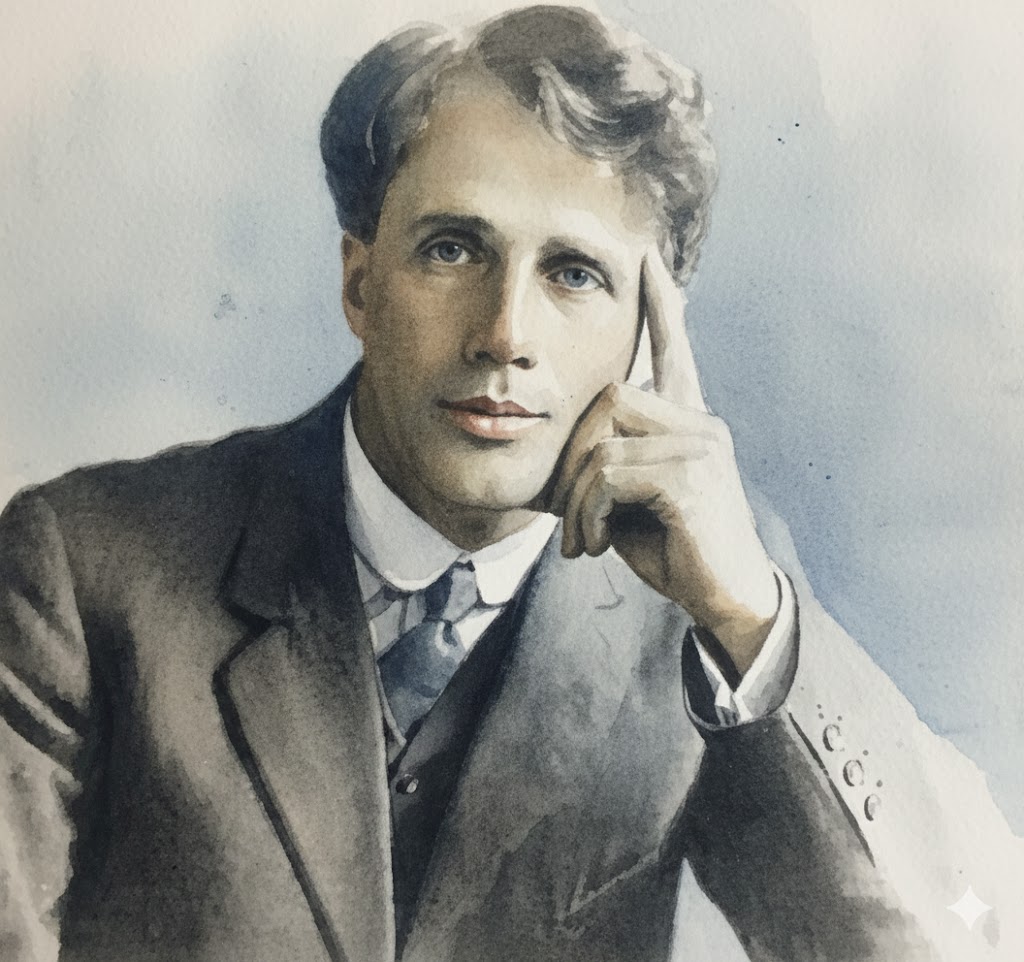
Translated from Spanish by Mar Martinez Sánchez / Top portrait taken from https://www.discogs.com/es/artist/3500990-Ra%C3%BAl-Alcover?srsltid=AfmBOorpVmxdZ6BfeEEqYPkVLWmQ8oUG7Pi0jGORx57BgoyYurnOsgVl (edited) / Portrait below taken from https://raulalcover.es/fotos/138-poesia-en-el-laurel-dia-9-8-2011-by-antonio-fajardo/ (edited) / Album art cover designed by Lady Desidia (Vanessa Borrell) https://www.instagram.com/ladydesidia/?hl=en/ More info for All night they heard birds passing by https://granadafm.es/raul-alcover-presenta-su-nuevo-disco-toda-la-noche-oyeron-pasar-pajaros/ Raúl Alcover, portafolio y contacto https://raulalcover.es/

Retrato superior tomado de https://www.discogs.com/es/artist/3500990-Ra%C3%BAl-Alcover?srsltid=AfmBOorpVmxdZ6BfeEEqYPkVLWmQ8oUG7Pi0jGORx57BgoyYurnOsgVl (editada) / Retrato inferior tomado de https://raulalcover.es/fotos/138-poesia-en-el-laurel-dia-9-8-2011-by-antonio-fajardo/ (editado) / Arte de portada de álbum, diseño de Lady Desidia (Vanessa Borrell) (arriba) https://www.instagram.com/ladydesidia/?hl=en/ Más información sobre Toda la noche oyeron pasar pájaros en https://granadafm.es/raul-alcover-presenta-su-nuevo-disco-toda-la-noche-oyeron-pasar-pajaros/ Raúl Alcover’s portafolio&contact info https://raulalcover.es/

FUEGO Y HIELO / Fire and Ice

Por María Martínez Sánchez

Robert Lee Frost (1874 – 1963) fue un poeta estadounidense conocido por su descripción de la vida rural y su dominio del habla coloquial. Frost a menudo escribía sobre escenarios de la vida rústica en Nueva Inglaterra a principios del siglo XX, usando estos escenarios para examinar temas filosóficos y sociales complejos.

«Fuego y Hielo»(Fire and Ice) es un famoso poema breve publicado en 1920 que explora la destrucción del mundo a través de dos metáforas: el deseo (fuego) y el odio (hielo), sugiriendo que ambas pasiones humanas son igualmente destructivas y pueden llevar al fin del mundo.

…………………………

FUEGO Y HIELO

Algunos dicen que el mundo

ha de terminar en fuego,

otros dicen que en hielo.

Por lo que he probado de deseo

estoy con quien favorece al fuego.

Mas si ha de perecer dos veces,

creo saber bastante sobre odio

para decir que destruyendo

el hielo también es muy poderoso

y sería suficiente.

Poema musicalizado con letra de R. Frost

………………………………..

Traducción del inglés: M. Martínez Sánchez / Imágenes: Arriba, tomada de https://www.beaconsfieldhistory.org.uk/content/beaconsfield-history/people/robert-frost-2 (editada), Abajo: Word Press IA

By María Martínez Sánchez

Robert Lee Frost (1874 – 1963) was an American poet Known for his realistic depictions of rural life and his command of American colloquial speech. Frost frequently wrote about settings from rustic life in New England in the early 20th century, using them to examine complex social and philosophical themes.

«Fire and Ice» is a famous short poem published in 1920 by Robert Frost, which explores the destruction of the world through two metaphors: desire (fire) and hate (ice), suggesting that both human passions are equally destructive and can lead to the end of the world.

……………………….

FIRE AND ICE

Some say the world will end in fire,

some say in ice.

From what I’ve tasted of desire

I hold with those who favor fire.

But if it had to perish twice,

I think I know enough of hate

To say that for destruction

ice is also great

and would suffice.

Poem musicalized with lyrics by R. Frost

Images: Above, taken from https://www.beaconsfieldhistory.org.uk/content/beaconsfield-history/people/robert-frost-2 (edited), Below: Word Press AI

DICEN LOS POETAS – The Poets Say – Dicono i poeti

Por Felicidad Batista

Dicen los poetas

que la lluvia es llanto

 y el llanto tristeza

y la tristeza

viene del tiempo de la felicidad

.

Dicen los poetas

que los silencios

son palabras errantes

en las llanuras del viento

y bucean en océanos del alma

.

Dicen los poetas

que sus versos son trazos,

luz y color de lienzo,

temblor de bermellones, cadmio,

paisajes arrebolados

.

Dicen los poetas

que la mar esconde respuestas.

.

Y las olas murmullan,

 se acercan, se alejan;

se alejan y se acercan

.

Y la orilla olvida

las huellas que incesante borra

———————-

Biografía breve

Escritora y narradora nacida en Arafo, Tenerife. Licenciada en Geografía e Historia con especialidad en Historia del Arte. Autora de la novela Finis Mare y de los libros de relatos Cine en cortos, Por las calles de la vida, Relatos de la Patagonia y Los espejos que se miran. Ha participado en más de setenta antologías y colaborado en radio, prensa y revistas literarias de España y América Latina. Su actividad ha sido declarada de Interés Cultural en Mar del Plata (Argentina) y forma parte de la Biblioteca y Audioteca de Canarias.

Reconocida con numerosos premios internacionales de microrrelato, cuento y poesía en Argentina, Chile, España y México, entre ellos el Primer Premio Letras de Iberoamérica (2025). Ha presidido la Asociación Cultural Canaria de Escritores/as y dirigido la colección Teide. Ha sido jurado en certámenes literarios, viajera cultural en varios países y su obra se encuentra presente en espacios públicos como el Hotel Occidental Contemporáneo de Santa Cruz de Tenerife.

Felicidad Batista ha participado en diversas actividades de la Feria Internacional del Libro (FIL) de Guadalajara en su edición 2025.

Más poemas de Felicidad Batista: Siete poemas de Felicidad Batista

By Felicidad Batista

The poets say

that the rain is crying

 crying sadness,

that sadness

comes from the time of happiness

.

The poets say

that the silences

are errant words

on the plains of the wind

and they dive into oceans of the soul

.

The poets say

that their verses are strokes,

light and color of canvas,

quaking of vermillions, cadmium,

redden landscapes

.

The poets say

that the sea hides answers

.

And the waves murmur,

 they approach, they move away;

they move away and they approach

.

And the shore forgets

the traces it incessantly erases

—————–

Brief Bio

Writer and narrator born in Arafo, Tenerife. She graduated in Geography and History with a specialty in Art History. Author of the novel Finis Mare and the short story books Cinema in Shorts, Through the Streets of Life, Stories from Patagonia and The Mirrors That Look at each other. She has participated in more than seventy anthologies and collaborated on radio, press and literary magazines in Spain and Latin America. Her activity has been declared of Cultural Interest in Mar del Plata (Argentina) and her work is part of the Library and Audio Library of the Canary Islands.

Recognized with numerous international awards for short stories and poetry in Argentina, Chile, Spain and Mexico, including the First Prize for Literature in Ibero-America (2025). She has chaired the Canarian Cultural Association of Writers and directed the Teide collection. She has been a juror in literary competitions, a cultural traveler in several countries and her work is present in public spaces such as the Hotel Occidental Contemporáneo in Santa Cruz de Tenerife.

Felicidad Batista has participated in various activities of the Guadalajara International Book Fair (FIL) in its 2025 edition.

More poems by Felicidad Batista (in Spanish): Siete poemas de Felicidad Batista/

Translated from Spanish by Mar Martínez

Di Felicidad Batista

Dicono i poeti

quella pioggia piange

 e piange tristezza

e quella tristezza

viene dal tempo della felicità

.

Dicono i poeti

che i silenzi

sono parole erranti

sulle pianure del vento

e si immerseno negli oceani dell’anima

.

Dicono i poeti

che i loro versi sono colpi,

luce e colore della tela,

tremore di vermigli, di cadmio,

paesaggi arrossati

.

Dicono i poeti

che il mare nasconde risposte

.

E le onde mormorano,

 si avvicinano, si allontanano;

si allontanano e si avvicinano

.

E la riva dimentica

le tracce che incessantemente cancella

—————————-


Breve biografia

Scrittore e narratore nata ad Arafo, Tenerife. Laureata in Geografia e Storia con specializzazione in Storia dell’Arte. Autore del romanzo Finis Mare e dei libri di racconti Cinema in cortometraggi, Per le strade della vita, Storie dalla Patagonia e Gli specchi che si guardano. Ha partecipato a più di settanta antologie e collaborato con radio, stampa e riviste letterarie in Spagna e America Latina. La sua attività è stata dichiarata di Interesse Culturale a Mar del Plata (Argentina) e fa parte della Biblioteca e Audioteca delle Isole Canarie.

Riconosciuta con numerosi premi internazionali per racconti e poesia in Argentina, Cile, Spagna e Messico, tra cui il Primo Premio per la Letteratura in Ibero-America (2025). Ha presieduto l’Associazione Culturale degli Scrittori delle Canarie e ha diretto la collezione del Teide. È stata giurata in concorsi letterari, viaggiatrice culturale in diversi paesi e il suo lavoro è presente in spazi pubblici come l’Hotel Occidental Contemporáneo a Santa Cruz de Tenerife.

Felicidad Batista ha partecipato a varie attività della Fiera Internazionale del Libro di Guadalajara (FIL) nella sua edizione 2025.

……………………………………..

Tradutto dallo spagnolo da Mar Martínez

THE MAZE OUTSIDE – El laberinto afuera – Il Labirinto Fuori

By Rio Cruz

I walk in circles the path to your heart

time’s a labyrinth with no exit

only I know where the center is

I know where to find heart

I just don’t know how to get back

to real life

real life

.

I see the way out now:

only I know how to return

and I walk in circles

the path of sanity

to the outside world,

the outside world

.

I don’t know how long

this path is

when it ends

but hope I don’t get lost

so as not to lose you

again and again

in the maze outside

the maze outside

.

Now I don’t remember how to get back

to your heart

to your heart,

and don’t want to get trapped

in your labyrinth

in your labyrinth

.

I want to make sure

if I go to the middle

if I go to to the center

to find heart,

I’m not going to get trapped

in a labyrinth of madness

in a labyrinth of time

a labyrinth of time

——

Poem musicalized in Suno with Lyrics by Rio Cruz


Por Rio Cruz

Camino en círculos el sendero a tu corazón

el tiempo es un laberinto sin salida

yo sé dónde está el centro

yo sé dónde encontrar el corazón

sólo no sé cómo volver

a la vida real

la vida real

.

Ya veo la salida

sólo yo sé cómo regresar

y luego camino en círculos

camino en círculos

el sendero de la cordura

del mundo exterior

el mundo exterior

.

Simplemente no sé cuanto tiempo

este camino es

cuando termina

pero espero no perderme

para no perderte

una y otra vez,

en el laberinto afuera,

el laberinto afuera

.

Ahora no recuerdo cómo volver

a tu corazón

a tu corazón,

y no quiero quedar atrapada

en tu laberinto,

en tu laberinto

.

Quiero asegurarme que si voy al centro

si voy al centro

para encontrar el corazón,

no voy a quedar atrapada

en un laberinto de locura,

en un laberinto de tiempo

un laberinto de tiempo

Traducción: Mar Martínez Leonard

———–

Poema musicalizado en Suno con Letra de Rio Cruz

Di Rio Cruz

Percorro in tondo il sentiero verso il tuo cuore

il tempo è un labirinto senza uscita

solo io so dov’è il centro

so dove trovare il cuore

è solo che non so come tornare indietro

alla vita reale

la vita reale

.

Adesso vedo la via d’uscita:

solo io so come ritornare

e cammino in tondo

la via della sanità mentale

al mondo esterno,

il mondo esterno

.

Non so per quanto tempo

questo percorso è

quando finisce

ma spero di non perdermi

per non perderti

ancora e ancora

nel labirinto fuori

il labirinto fuori

.

Ora non ricordo come tornare indietro

al tuo cuore

al tuo cuore,

e non voglio rimanere intrappolata

nel tuo labirinto

nel tuo labirinto

.

Voglio essere sicura

che se vado al centro

se vado al centro

per trovare il cuore,

non rimarrò intrappolata

in un labirinto di follia

in un labirinto di tempo

un labirinto di tempo

Traduzione: Mar Martinez Leonard


Poesia musicalizzata in suno con Testi di Rio Cruz


All images created using WordPress / Todas las imágenes creadas usando WordPress / Tutte le immagini create utilizzando WordPress

Tu silencio – Your Silence – IL TUO SILENZIO

Por Mar Martínez Leonard

Y me dejaste sola

con tu silencio,

el tiempo se ha llevado

casi todos tus consejos,

desentierro tu sonrisa

para abrigarme

en el frío invierno

Imágenes generadas usando inteligencia artificial

By Mar Martinez Leonard

And you left me alone

with your silence,

time has taken away

most of your advice,

I dig up your smile

to shelter

from the cold winter

Author’s translation to English – Images generated using artificial intelligence

Di Mar Martinez Leonard

E mi hai lasciato sola

con il tuo silenzio,

il tempo ha preso

quasi tutti i tuoi consigli,

esumo il tuo sorriso

per coprirmi

nel freddo inverno

Immagini generate utilizzando l’intelligenza artificiale.

Sobre el sol en San Valentín – About the Sun on Valentine’s – SUL SOLE DI SAN VALENTINO

SOBRE EL SOL EN SAN VALENTÍN

Y es que al alba

pretendes atrapar

el sol

pero

la belleza y la luz

se deslizan en tus dedos

libres hasta el ocaso

MAR MARTÍNEZ LEONARD

ABOUT THE SUN ON VALENTINE’S

At sunrise

you want to catch

the sun

but

beauty and light

slip through your fingers

free until sunset

MAR MARTINEZ LEONARD / Author’s translation

SUL SOLE DI SAN VALENTINO

E all’alba

vuoi catturare

il sole

ma

la bellezza e la luce

ti scivolano tra le dita

libere fino al tramonto

MAR MARTINEZ SANCHEZ /
Traduzione dalla autrice

Un ángel en Hialeah /AN ANGEL IN HIALEAH

Por Brisa Cósmica

Cae la noche sobre bakeries y supermercados, un ángel blanco cruza la calle desplumado por la crisis entre automóviles veloces y furiosos.

¿En qué parte del cielo viven los ángeles hambrientos ? ¿Dónde residen los que ya no son ángeles?¿Dónde residen los hijos de dios? El dios que buscan y no encuentran. El dios que se ha perdido. El dios de los sin nombre. El dios de los encarcelados. El dios de los immigrantes. El dios de los desahuciados.

El ángel sin plumas blancas busca a dios, mira al cielo: solo nubes, espacio…nada más.

Cae la noche sobre calles y avenidas gentrificadas por los que sí tienen nombre: Jaime… abogado, hospital… ayudando a los niños a encontrar curas, una comunidad de residentes en Hialeah…

Cae la noche sobre calles y avenidas, ¿calles y avenidas vacías de gente? No, vacías de esperanza. Los buenos hablan mucho, hacen poco. Los malos ya no hablan, solo hacen. El imperio se desploma y nadie va a venir a salvarlo: ni siquiera dios.

Musicalización en Suno

By Cosmic Breeze

Night falls over bakeries and supermarkets, a white angel crosses the street fleeced by the crisis among fast and furious automobiles.

Where in heaven do hungry angels live? Where do those who are no longer angels reside? Where do the children of god reside? The god they seek and they don’t find. The god that has been lost. The god of the unnamed. The god of the imprisoned. The god of the immigrants. The god of the hopeless.

The angel without white feathers seeks God, looks at the sky: only clouds, space…nothing else.

Night falls over streets and avenues gentrified by those who do have a name: Jaime… lawyer, hospital… helping children find cures, a community of residents in Hialeah…

Night falls over streets and avenues. Streets and avenues empty of people? No, empty of hope. The good ones talk a lot, do little. The bad ones no longer talk, they only do. The empire is collapsing and no one will come to save it: not even God.

Author’s translation

Musicalization in Suno


Imágenes creadas con inteligencia artificial

Images created with artificial intelligence

SALMO OCHO – Psalm Eight

Por Daniel Olarte Mutiz

Y entonces pude saborear

reflejos de minacuros

carcajeándose en la noche.

Conté un centenar de silencios

en ojos de choferes derrotados

entre sus taxis: sarcófagos yellow.

La noche se vuelve una jalea

desde las mandíbulas del hambre

donde un cuchillo se puede guardar

si huelen tu voracidad más intensa,

o el vigor de las canas puede esconder

quien podrá degollarte de improviso.

Y entonces miré la ciudad tan triste

tan mojigata, tan pueblerina y ruin,

que me entraron gana de reir

tan en silencio como perro inadvertido

entre andenes lluviosos y de alcurnia.

Solo a esa mano tibia

untada de mi noche

no le importa saber mi nombre

y desde sus ojos besa mi melancolía.

Quizás sabe que nunca existí:

su desnudez es plegaria

o acción de gracias.

POEROGLÍFICOS

————–

Fotografías del autor


Musicalización de «SALMO OCHO» en Suno

By Daniel Olarte Mutiz

And then I could taste fireflies

reflections laughing in the night.

I counted a hundred silences

in the eyes

of defeated drivers

among the taxi cabs:

yellow sarcophagi.

The night turns into jelly

from the jaws of hunger.

Where a knife can be stored

if they smell your most

intense voracity

or the vigor of grey hair can hide those

who can slit your throat unexpectedly.

And then I looked at the city

so sad, so prudish, so small and mean

it made me laugh,

as silent as an unnoticed dog,

between rainy and hilly quaysides.

Only that warm smeared hand

from my night does not care

to know my name,

and it kisses my sadness from its eyes.

Maybe it knows I never existed:

its nakedness is prayer

or thanksgiving.

POEROFLÍFICOS (POEROGLIPHICS)

Translation: Mar Martínez Leonard

—————————-

Photos by the author

——————-

‘Psalm Eight’ musicalized in Suno

Ella era tan azul que daba besos de mar — SHE WAS SO BLUE, SHE GAVE KISSES OF SEA

POR ADALBERTO GUERRA

Era de agua, llevaba
ojos de agua, y a veces,
parecían ir sin peces
los mares con que miraba.
Tan azul era que daba
besos con los ojos llenos
de mar, y en besos ajenos
la tarde que se perdía
iba a la mar y volvía
de la mar con ojos buenos

Qué manera de evadirse
tenía del aburrimiento,
que llegaba con el viento
y en el viento volvía a irse.
Amarla era como asirse
al dios de la negativa
del azul, porque tan cautiva
de mar era al alejarse
que cuando quería quedarse,
extrañaba el mar y se iba


Poema musicalizado en Suno

By ADALBERTO GUERRA

She was of water, she carried
eyes of water, and sometimes
the seas with which she looked
seemed to go without fish.
So blue she was that she gave
kisses with eyes full of sea,
and in kisses of strangers
the evening that she got lost,
she’d go to the sea and came back
from the sea with good eyes
.
What a way she had
to escape from the routine,
that she’d arrive with the wind
and with the wind she went again.
Loving her was like holding
to the god of the refusal
of the blue, because she was so captive
of sea when leaving
that when she wanted to stay,
she missed the sea and she left

Poem musicalized in Suno

SILENCIO – Quiet

Por PALOMA BELÉN DE DÍAZ

SILENCIO

Silencio,

que nuestros besos no hagan ruido,

que mis gemidos se queden en tu oído.

.

Es mejor así,

no hablemos del amor que nos brilla en la mirada,

que nuestras caricias se queden en tu cama

que mis añañucos sigan dando vueltas en tu espalda,

esa maravilla que hizo tu madre para que yo descansara.

.

Silencio,

que los demonios no aceptan un cielo,

que la envidia convierte la mala hierba en veneno.

Silencio que así te cuido,

así te vivo, así eres mío.

.

Que nadie oiga mi risa,

que nada borre de tu boca tu bella sonrisa,

que el secreto de dos, ni siquiera sea de Dios.

.

Te regalo la vida, porque tu libertad cuida este amor,

conmigo o sin mí,

que me muera mañana

si hoy duermo contigo.

.

Que si te escribo poesía,

sean mis ojos los que te pongan la tinta.

——————–

SOBRE LA AUTORA

Poetisa chilena, originaria de Antofagasta, donde reside. Escribe poesía desde los 15 años de edad. Sus poemas están inspirados en la música, a menudo en canciones de Gustavo Cerati. Su obra trata la temática del amor, la muerte y, en los últimos tiempos, el erotismo. Su finalidad es alejarse del dolor a través de la catarsis poética, además de acercar la poesía a aquellos que no la conocen, con un tratamiento más atractivo de estos temas.

Imágenes de SULAYR EGEA: Arriba: Mónica, acrílico sobre lienzo. Abajo: Amor y vino en el laberinto, barra de óleo negro sobre papel Contacta a Sulayr Egea y conoce otras obras suyas

By PALOMA BELÉN DE DÍAZ

QUIET

Quiet.

May our kisses be in silence,

may my moans stay in your ear.

.

It’s better like this,

let’s not talk about the love shining in our eyes.

May our caresses stay in your bed,

may my lilies go around your back

that wonder your mother made so I can rest.

.

Quiet.

Demons don’t accept a heaven,

envy turns weed into venom.

.

Quiet. That way I guard you

that way I live you, that way you’re mine.

.

May no one hear my laugh

may nothing erase your beautiful smile

may our secret be of two, may it not be even of God.

.

I give you my life, because your freedom guards this love

with me or without me.

May I die tomorrow,

if I sleep with you today.

.

That if I write you poetry

may my eyes put you the ink.

ABOUT THE AUTHOR

Chilean poet, native to Antofagasta, where she resides. She has been writing poetry since the age of 15. Her poems are inspired by music, often in the songs of Gustavo Cerati. Her work deals with the themes of love, death and, in recent times, eroticism. The purpose is to get away from pain through poetic catharsis, in addition to bringing poetry closer to those who do not know it, with a more attractive treatment of these topics.

——————-

Images by SULAYR EGEA: Up: Monica, acrylic on canvas. Down: Love and wine in the labyrinth, black oil stick on paper Sulayr Egea: Contact him and see more of his artwork