RENACER EN LA LUZ – Rebirth In the Light – Rinascere alla luce

Por Carmelo G. Zerpa

De las sombras me levanto,
hecho de fragmentos,
con la piel marcada por historias
que ya no pesan en mis hombros.

Soy el eco de mis pasos antiguos,
un susurro que se vuelve voz.
Renazco de cada caída,
más fuerte, más vivo, más yo.

Como el ave que en cenizas halla su fuego,
de cada herida brota una flor,
y en mis ruinas, he plantado semillas
de un mañana que espera en silencio.

Ahora soy el río que no se detiene,
que rompe piedras, que cruza abismos.
Resiliente, inquebrantable,
soy el renacer de mi propio destino.

Y al encontrarme en esta nueva piel,
me abrazo sin miedo, sin juicio ni duda,
sabiendo que, en cada cambio, en cada quebranto,
es mi verdad la que finalmente desnudo.

Porque soy tierra fértil, mar profundo,
tempestad y calma, viento y raíz.
Me reconstruyo, me deshago, me elevo,
eterno ciclo de fuerza sin fin.

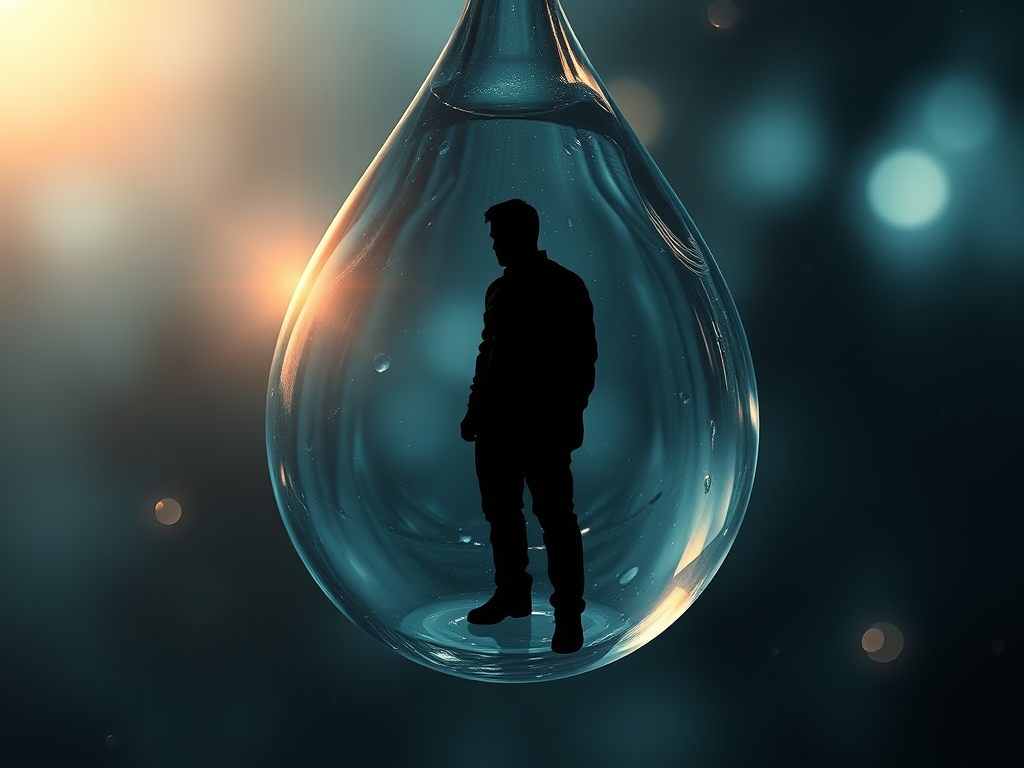
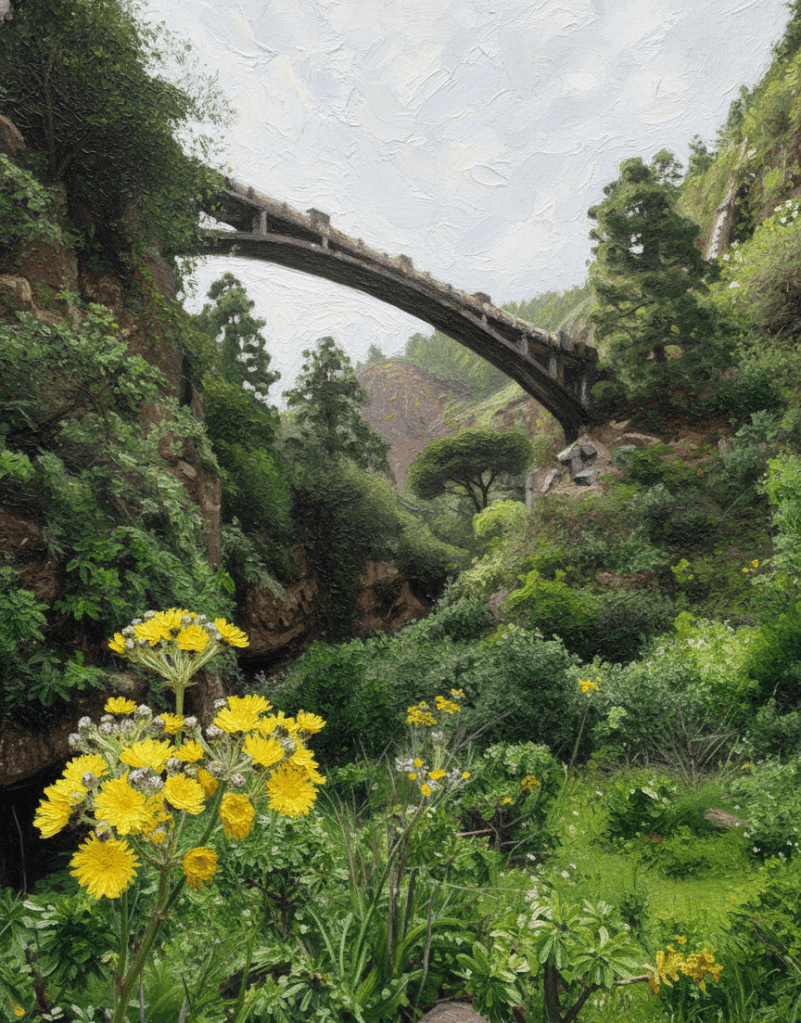
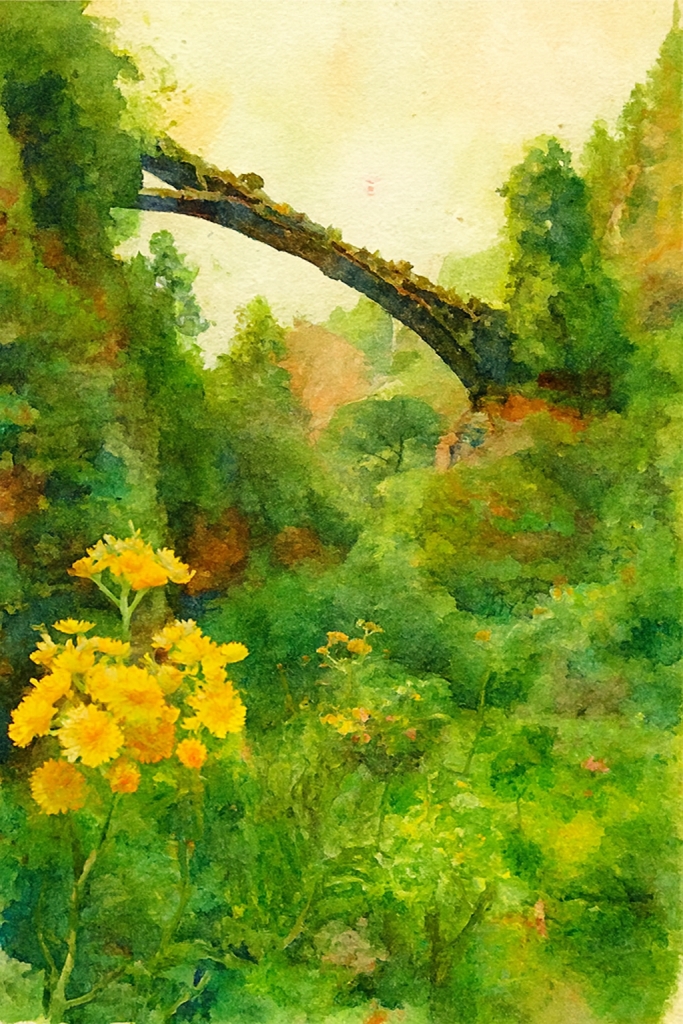
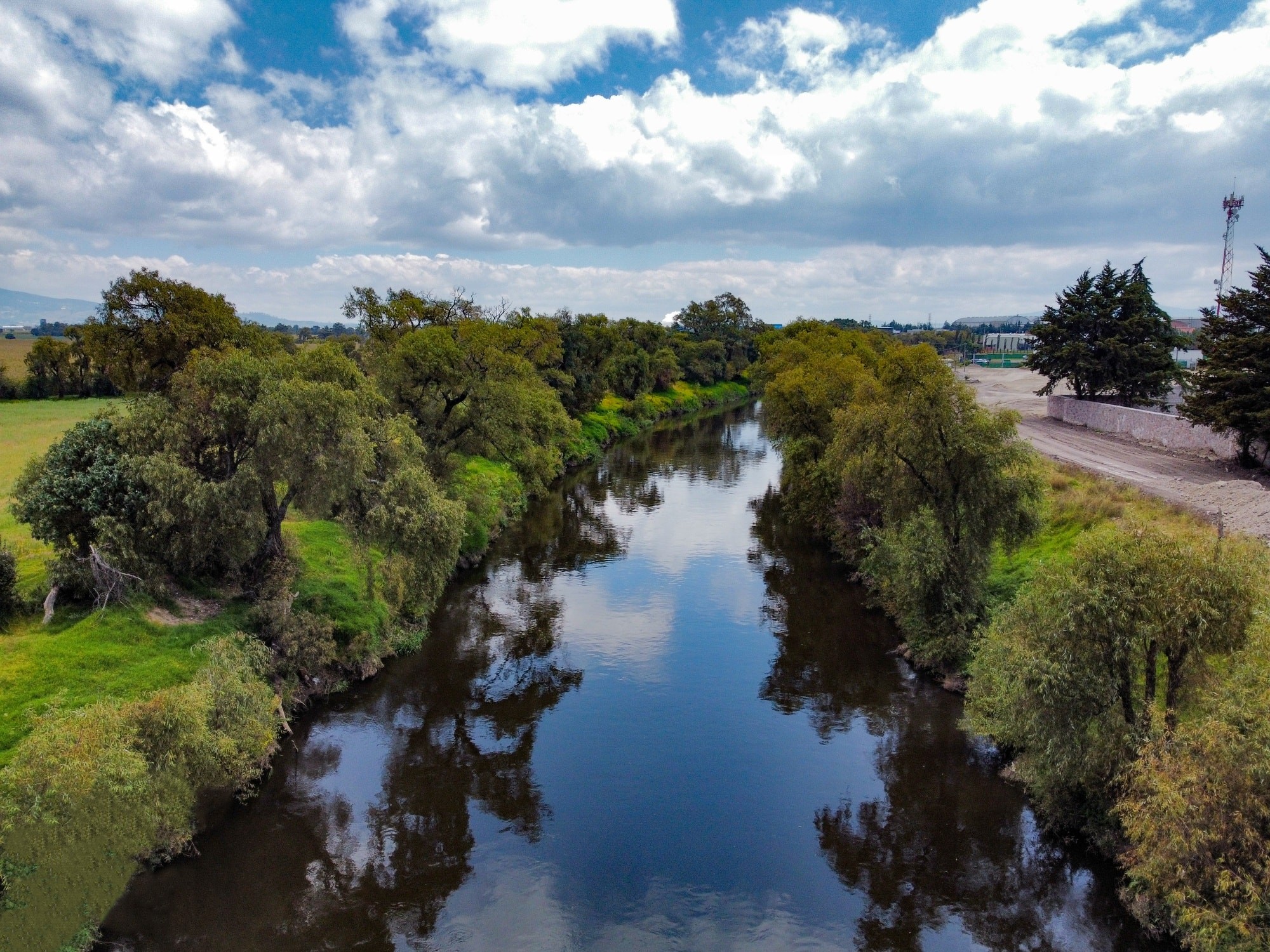
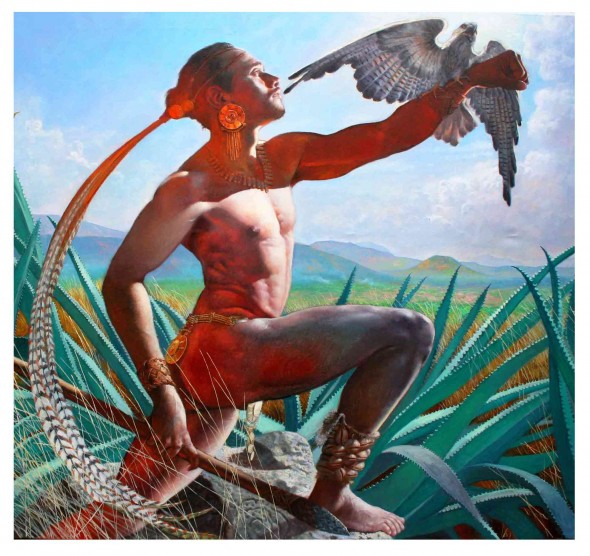
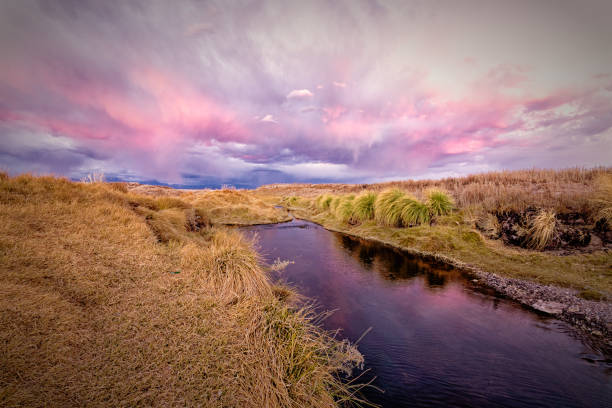
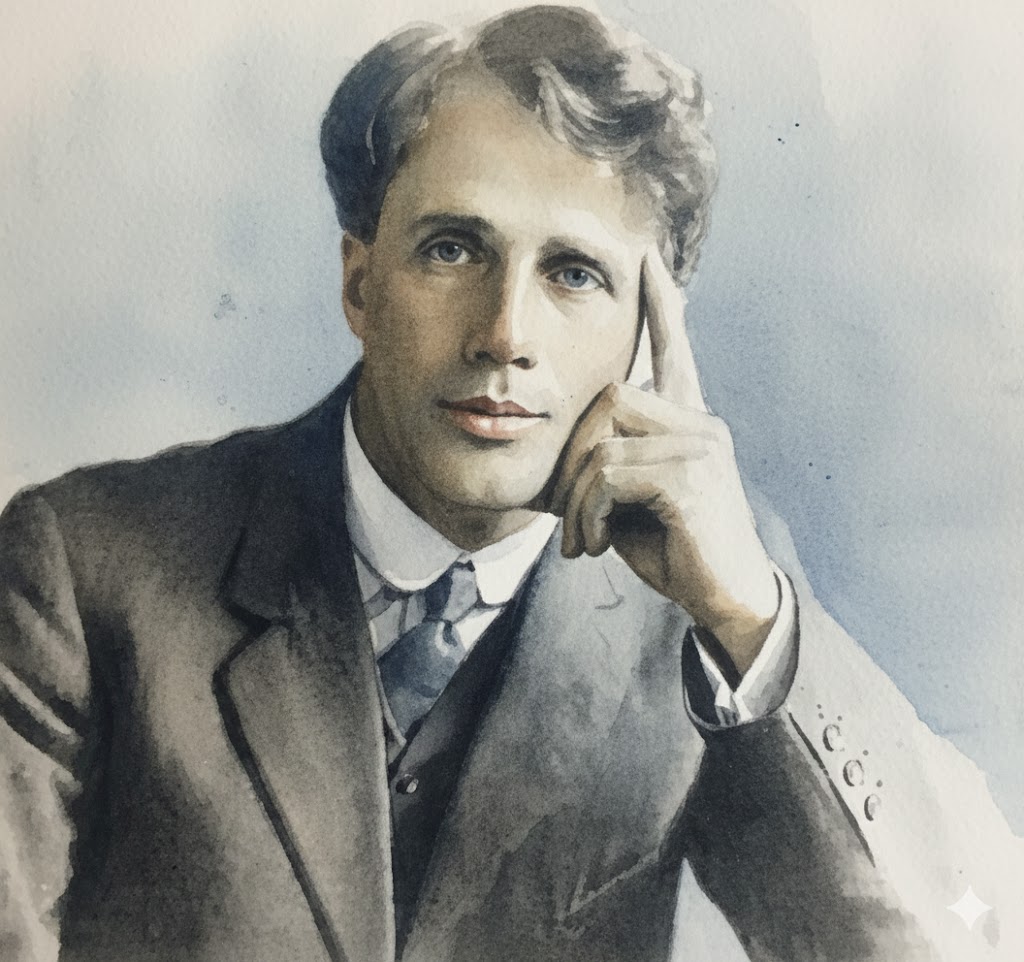
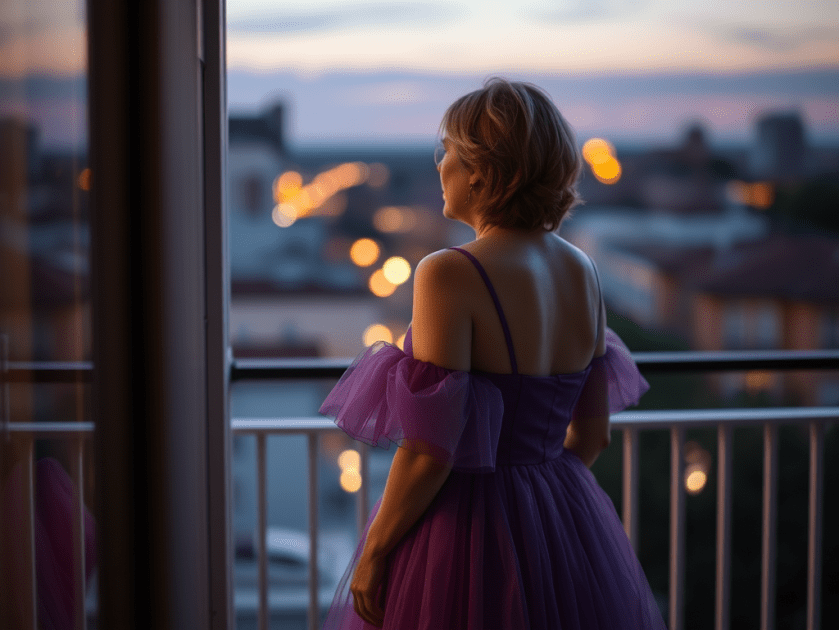
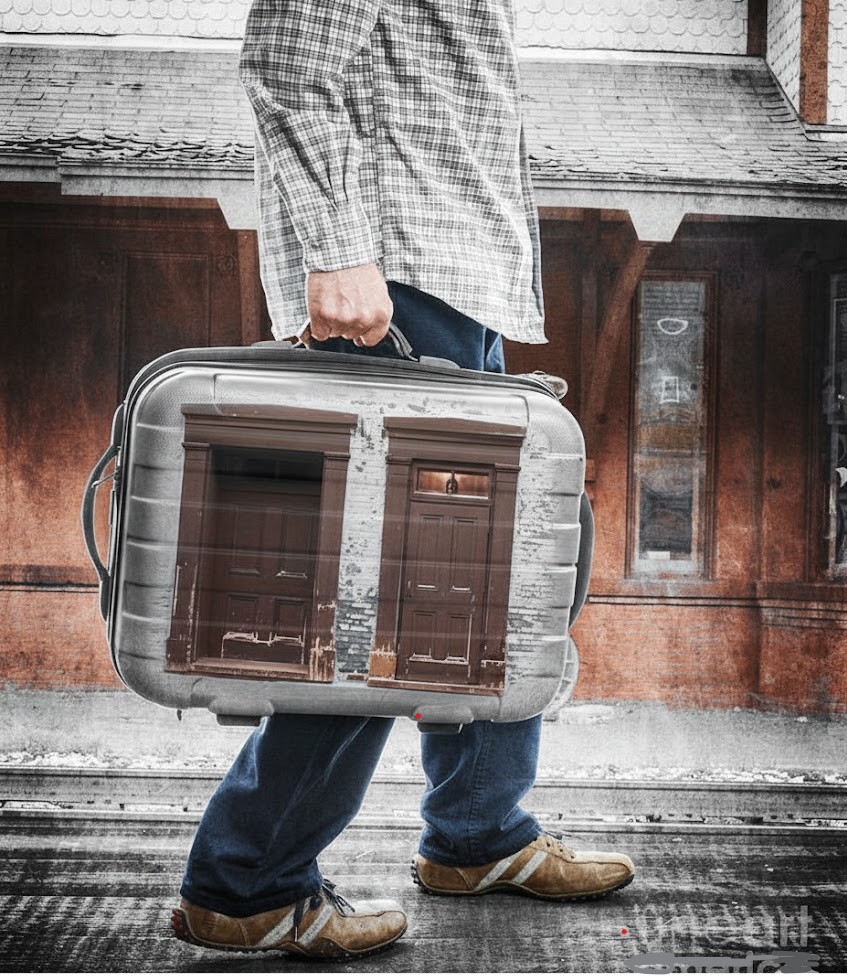
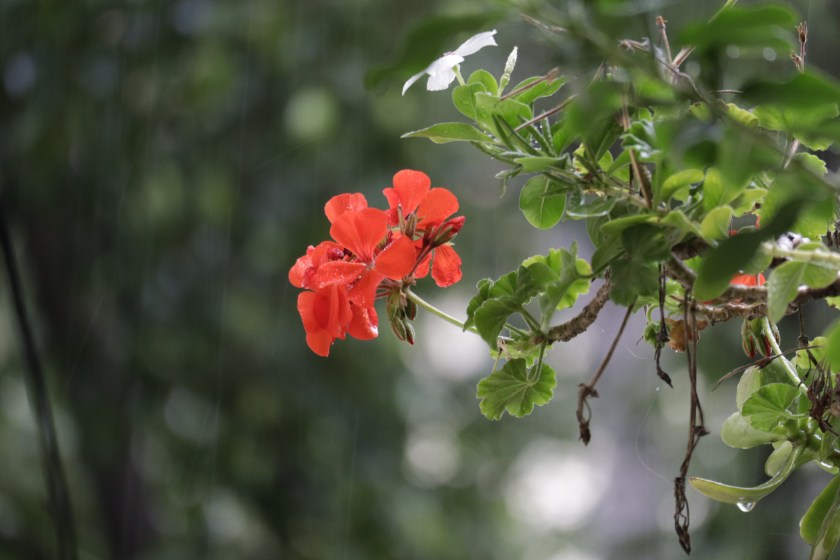
Imágenes de Edward Fielding (editadas)

By Carmelo G. Zerpa

From the shadows I rise,
torn to pieces,
with the skin marked by stories
that no longer are hevy on my shoulders.

I am the echo of my ancient steps,
a whisper that becomes a voice.
I am reborn from each fall,
stronger, more alive, more me.

Like the bird that finds its fire in ashes,
from each wound a flower sprouts,
and in my ruins, I have planted the seeds
from one tomorrow that waits in silence.

Now I am the river that does not stay still,
breaking stones, crossing abysms.
Resilient, inquebrantable,
I am the rebirth of my own destiny.

And so finding myself in this new skin,
I hug myself without fear, without judgement or doubt,
knowing that, at each change, at each sorrow,
it is my truth I finally strip.

Because I am fertile land, deep sea,
tempest and calm, wind and root.
I build myself, I disolve, I elevate,
eternal cicle of strengh without end.

Di Carmelo G. Zerpa

Dalle ombre mi alzo,
fatto di frammenti,
con la pelle segnata da storie
che non pesano più sulle mie spalle.

Sono l’eco dei miei antichi passi,
un sussurro che diventa voce.
Rinasco da ogni caduta,
più forte, più vivo, più me.

Come l’uccello che trova il fuoco tra le ceneri,
da ogni ferita nasce un fiore,
e nelle mie rovine ho piantato semi
di un domani che attende in silenzio.

Ora sono il fiume che non si ferma,
chi rompe le pietre, chi attraversa l’abisso.
Resistente, indistruttibile,
sono la rinascita del mio destino.

E adesso che mi ritrovo in questa nuova pelle,
mi abbraccio senza paura, senza giudizio o dubbio,
sapendo che, in ogni mutazione, in ogni rottura,
è la mia verità che finalmente ho messo a nudo.

Perché sono terra fertile, mare profondo,
tempesta e calma, vento e radice.
Mi ricostruisco, crollo, mi rialzo,
ciclo eterno di forza infinita.

Fotografie da Edward Fielding (editate) /Tradotto dallo spagnolo da Mar Martínez

SERES EN TRÁNSITO – Living beings In Transit – Esseri viventi in transito

Por Ina Molina Pérez


Un día ya no seré un verbo,
seré un nombre o un pronombre inexacto,
alguien generoso, quizás me recuerde con algún adjetivo…
Seré un singular solitario,
yo que tanto amé el plural de los encuentros…

.
No podré elegir ningún adverbio que me corteje.
No seré presente, ni escribiré en futuro.
El pasado será el único puente que me vincule a la historia.
No tendré casa, ni ropa,
ni joyas, ni posesión alguna.

.
Otros habitarán mis espacios,
caeré en la desmemoria de los muertos.
No dejaré más hijos que aquellos
que en mí descubrieron un gesto maternal.

.

Algún árbol por mí plantado
quizás sobreviva al maltrato humano
y respire cuando yo no pueda hacerlo.
Alguno de mis libros quizás sea leído
o simplemente mantenga una puerta.

.
Mis fotos nada dirán a los ojos de los desconocidos
que se desharán de todas ellas.
Se perderán mis viajes en la nada, y mis amigos,
mis mascotas y mis afectos.

.
Quizás algún vestigio de mi paso
habitará esa “nube” que no produce agua,
ni granizo, ni nieve, ni sombra
y que dicen que guarda retazos
de lo que para nosotros fue importante.

.
O quizás ni eso…
Nada seré para nadie en esa nada
que envolverá mi todo.

Biografía breve

Nació en Las Palmas de Gran canaria. Es Diplomada en Magisterio, Licenciada en Pedagogía y Máster en Logopedia; escritora, poeta, comunicadora y dinamizadora cultural. Escribe desde niña y recuerda que el mejor regalo era un cuento. Ha publicado en solitario el poemario Versos heridos (ArtGerust 2014); el libro de relatos Nada es lo que parece (Aguere/Idea mayo 2022); Afurgad, las voces del agua (Editado por el Ilustre Ayuntamiento de Firgas, 2022); el poemario Las esquinas del tiempo (Beginbook, 2022); La mujer del espejo, Relatos al límite (Beginbook Ediciones, 2024) y Un paseo por las emociones (2016 Letras y Sonidos) a tres manos. Ha participado en diversas Antologías de narrativa y poesía, de ámbito local, nacional e internacional. También ha formado parte de proyectos multidisciplinares de pintura, música y palabra. Correctora, prologuista y colaboradora en obras de otros autores y en varias revistas literarias. Ha participado en diversos programas de radio. Conductora y contertulia de varios programas de TV local. Miembro de diversas asociaciones culturales y literarias. Integrante y coordinadora de la directiva del grupo de teatro aficionado El Ómnibus, Teatro del Pueblo (actriz, codirectora y correctora de guiones). Apoya y colabora con la Asociación Canaria de Integración de Salud Mental Espiral a quienes ha donado los beneficios de la venta de una de sus obras. También apoya al Taller de teatro del Centro Penitenciario Las Palmas. Algunos de sus poemas han sido musicados por el cantautor Luis Fajardo y por el Grupo Folclórico Tabaiba.

Participó en diversas actividades de la Feria Internacional del Libro (FIL) de Guadalajara 2025.

By Ina Molina Pérez


One day I will no longer be a verb,
I will be an inaccurate noun or a pronoun,
someone generous, may remember me with some adjective…
I will be a singular loner,
I, who loved the plural of encounters so much…

.Breve biografia


I won’t be able to choose any adverb to court me.
I will not be the present, nor will I write in the future.
The past will be the only bridge to link me to history.
I will have no house, no clothes,
No jewelry, no possessions at all.

.
Others will inhabit my spaces,
I will fall into the forgetfulness of the dead.
I will not leave any more children than those
that discovered a maternal gesture in me.

.
Some tree planted by me
may survive human abuse
and breathe when I can’t.
Some of my books may be read
or just keep a door.

.
My photos will say nothing to the eyes of strangers
who will get rid of all of them.
My trips will be lost in nothingness, and so my friends,
my pets and my affections.

.
Maybe some vestige of my passage
will inhabit that “cloud” that does not produce water,
no hail, no snow, no shadow,
the cloud they say it keeps pieces
of what was important to us.

.
Or maybe not even that…
I will be nothing to anyone in that nothingness
that will envelop my everything.

Brief biography

She was born in Las Palmas de Gran Canaria. She has a Diploma in Teaching, a Degree in Pedagogy and a Master in Speech Therapy; writer, poet, communicator and cultural promoter. She has been writing since she was a child and remembers that the best gift was a story. He has published solo the collection of poems Versos injured (ArtGerust 2014); the story book Nothing is what it seems (Aguere/Idea May 2022); Afurgad, the voices of the water (Edited by the Illustrious City Council of Firgas, 2022); the collection of poems The Corners of Time (Beginbook, 2022); The Woman in the Mirror, Tales to the Limit (Beginbook Ediciones, 2024) and A Walk Through Emotions (2016 Letters and Sounds) in three hands. She has participated in various Anthologies of narrative and poetry, locally, nationally and internationally. She has also been part of multidisciplinary projects of painting, music and words. Proofreader, prologue writer and collaborator in works by other authors and in several literary magazines. She has participated in various radio programs. Host and talk show host of several local TV programs. Member of various cultural and literary associations. Member and coordinator of the board of directors of the amateur theater group El Ómnibus, Teatro del Pueblo (actress, co-director and script editor). She supports and collaborates with the Canarian Association for Mental Health Integration Spiral to whom she has donated the profits from the sale of one of her works. She also supports the theater workshop at the Las Palmas Penitentiary Center. Some of her poems have been set to music by the singer-songwriter Luis Fajardo and by the Tabaiba Folkloric Group.

She participated in various activities at the Guadalajara 2025 International Book Fair.

Di Ina Molina Pérez

Un giorno non sarò più un verbo,
sarò un sostantivo o un pronome impreciso,
qualcun generoso, magari ricordami con qualche aggettivo…
Sarò un singolare solitario,
Io che amavo tanto il plurale degli incontri…

.
Non potrò scegliere nessun avverbio che mi corteggi.
Non sarò presente, né scriverò in futuro.
Il passato sarà l’unico ponte che mi collegherà alla storia.
Non avrò casa, né vestiti,
Niente gioielli, niente oggetti.

.

Altri abiteranno i miei spazi,
Cadrò nell’oblio dei morti.
Non lascerò più figli di quelli
che in me hanno scoperto un gesto materno.

.
Qualche albero piantato da me
potrebbero sopravvivere agli abusi umani
e respirare quando io non posso.
Alcuni dei miei libri potrebbero essere letti
o semplicemente tenere una porta.

.

Le mie foto non diranno nulla agli occhi degli sconosciuti
Si sbarazzeranno di tutti loro.
I miei viaggi si perderanno nel nulla, e i miei amici,
i miei animali domestici e i miei affetti.

.
Forse qualche traccia del mio passaggio
abiterà quella “nuvola” che non produce acqua,
niente grandine, niente neve, niente ombra
e che dicono conserva pezzi
di ciò che era importante per noi.

O forse nemmeno quello…
Non sarò niente per nessuno in quel nulla
che avvolgerà il mio tutto.

Breve biografia

È nata a Las Palmas de Gran Canaria. Ha il Diploma di Magistero, la Laurea in Pedagogia e il Master in Logopedia; scrittore, poeta, comunicatore e promotore culturale. Scrive fin da quando era bambina e ricorda che il regalo più bello era una storia. Ha pubblicato da solista la raccolta di poesie Versos feriti (ArtGerust 2014); il libro di fiabe Niente è ciò che sembra (Aguere/Idea maggio 2022); Afurgad, le voci dell’acqua (a cura dell’Illustre Consiglio Comunale di Firgas, 2022); la raccolta di poesie The Corners of Time (Beginbook, 2022); La donna allo specchio, Racconti al limite (Beginbook Ediciones, 2024) e Una passeggiata tra le emozioni (2016 Lettere e suoni) a tre mani. Ha partecipato a varie antologie di narrativa e poesia, a livello locale, nazionale e internazionale. Preso parte anche a progetti multidisciplinari di pittura, musica e parole. Correttore di bozze, prologo e collaboratore in opere di altri autori e in diverse riviste letterarie. Ha partecipato a vari programmi radiofonici. Conduttrice di talk show di diversi programmi televisivi locali. Membro di diverse associazioni culturali e letterarie. Membro e coordinatore del consiglio di amministrazione del gruppo teatrale amatoriale El Ómnibus, Teatro del Pueblo (attrice, co-regista e sceneggiatrice). Sostiene e collabora con l’Associazione Canaria per l’Integrazione della Salute Mentale Spiral alla quale ha devoluto il ricavato della vendita di una sua opera. Sostiene inoltre il laboratorio teatrale presso il Centro Penitenziario di Las Palmas. Alcune delle sue poesie sono state musicate dal cantautore Luis Fajardo e dal Gruppo Folklorico Tabaiba.

Ha partecipato a varie attività alla Fiera Internazionale del Libro di Guadalajara 2025.

DICEN LOS POETAS – The Poets Say – Dicono i poeti

Por Felicidad Batista

Dicen los poetas

que la lluvia es llanto

 y el llanto tristeza

y la tristeza

viene del tiempo de la felicidad

.

Dicen los poetas

que los silencios

son palabras errantes

en las llanuras del viento

y bucean en océanos del alma

.

Dicen los poetas

que sus versos son trazos,

luz y color de lienzo,

temblor de bermellones, cadmio,

paisajes arrebolados

.

Dicen los poetas

que la mar esconde respuestas.

.

Y las olas murmullan,

 se acercan, se alejan;

se alejan y se acercan

.

Y la orilla olvida

las huellas que incesante borra

———————-

Biografía breve

Escritora y narradora nacida en Arafo, Tenerife. Licenciada en Geografía e Historia con especialidad en Historia del Arte. Autora de la novela Finis Mare y de los libros de relatos Cine en cortos, Por las calles de la vida, Relatos de la Patagonia y Los espejos que se miran. Ha participado en más de setenta antologías y colaborado en radio, prensa y revistas literarias de España y América Latina. Su actividad ha sido declarada de Interés Cultural en Mar del Plata (Argentina) y forma parte de la Biblioteca y Audioteca de Canarias.

Reconocida con numerosos premios internacionales de microrrelato, cuento y poesía en Argentina, Chile, España y México, entre ellos el Primer Premio Letras de Iberoamérica (2025). Ha presidido la Asociación Cultural Canaria de Escritores/as y dirigido la colección Teide. Ha sido jurado en certámenes literarios, viajera cultural en varios países y su obra se encuentra presente en espacios públicos como el Hotel Occidental Contemporáneo de Santa Cruz de Tenerife.

Felicidad Batista ha participado en diversas actividades de la Feria Internacional del Libro (FIL) de Guadalajara en su edición 2025.

Más poemas de Felicidad Batista: Siete poemas de Felicidad Batista

By Felicidad Batista

The poets say

that the rain is crying

 crying sadness,

that sadness

comes from the time of happiness

.

The poets say

that the silences

are errant words

on the plains of the wind

and they dive into oceans of the soul

.

The poets say

that their verses are strokes,

light and color of canvas,

quaking of vermillions, cadmium,

redden landscapes

.

The poets say

that the sea hides answers

.

And the waves murmur,

 they approach, they move away;

they move away and they approach

.

And the shore forgets

the traces it incessantly erases

—————–

Brief Bio

Writer and narrator born in Arafo, Tenerife. She graduated in Geography and History with a specialty in Art History. Author of the novel Finis Mare and the short story books Cinema in Shorts, Through the Streets of Life, Stories from Patagonia and The Mirrors That Look at each other. She has participated in more than seventy anthologies and collaborated on radio, press and literary magazines in Spain and Latin America. Her activity has been declared of Cultural Interest in Mar del Plata (Argentina) and her work is part of the Library and Audio Library of the Canary Islands.

Recognized with numerous international awards for short stories and poetry in Argentina, Chile, Spain and Mexico, including the First Prize for Literature in Ibero-America (2025). She has chaired the Canarian Cultural Association of Writers and directed the Teide collection. She has been a juror in literary competitions, a cultural traveler in several countries and her work is present in public spaces such as the Hotel Occidental Contemporáneo in Santa Cruz de Tenerife.

Felicidad Batista has participated in various activities of the Guadalajara International Book Fair (FIL) in its 2025 edition.

More poems by Felicidad Batista (in Spanish): Siete poemas de Felicidad Batista/

Translated from Spanish by Mar Martínez

Di Felicidad Batista

Dicono i poeti

quella pioggia piange

 e piange tristezza

e quella tristezza

viene dal tempo della felicità

.

Dicono i poeti

che i silenzi

sono parole erranti

sulle pianure del vento

e si immerseno negli oceani dell’anima

.

Dicono i poeti

che i loro versi sono colpi,

luce e colore della tela,

tremore di vermigli, di cadmio,

paesaggi arrossati

.

Dicono i poeti

che il mare nasconde risposte

.

E le onde mormorano,

 si avvicinano, si allontanano;

si allontanano e si avvicinano

.

E la riva dimentica

le tracce che incessantemente cancella

—————————-


Breve biografia

Scrittore e narratore nata ad Arafo, Tenerife. Laureata in Geografia e Storia con specializzazione in Storia dell’Arte. Autore del romanzo Finis Mare e dei libri di racconti Cinema in cortometraggi, Per le strade della vita, Storie dalla Patagonia e Gli specchi che si guardano. Ha partecipato a più di settanta antologie e collaborato con radio, stampa e riviste letterarie in Spagna e America Latina. La sua attività è stata dichiarata di Interesse Culturale a Mar del Plata (Argentina) e fa parte della Biblioteca e Audioteca delle Isole Canarie.

Riconosciuta con numerosi premi internazionali per racconti e poesia in Argentina, Cile, Spagna e Messico, tra cui il Primo Premio per la Letteratura in Ibero-America (2025). Ha presieduto l’Associazione Culturale degli Scrittori delle Canarie e ha diretto la collezione del Teide. È stata giurata in concorsi letterari, viaggiatrice culturale in diversi paesi e il suo lavoro è presente in spazi pubblici come l’Hotel Occidental Contemporáneo a Santa Cruz de Tenerife.

Felicidad Batista ha partecipato a varie attività della Fiera Internazionale del Libro di Guadalajara (FIL) nella sua edizione 2025.
……………………………………..

Tradutto dallo spagnolo da Mar Martínez

SAMER ABU HAWWASH: VERSOS PARA DESAFIAR EL SILENCIO/ Samer Abu Hawwash: Verses To Defy Silence

Por Armida Reed

Samer Abu Hawwash es un poeta y traductor palestino conocido por su obra lírica y su labor como puente entre culturas. Nació en Líbano en 1972 en el seno de una familia refugiada palestina. Residió y trabajó en Emiratos Árabes Unidos, donde se especializó en poesía estadounidense y ficción en lengua inglesa, traduciendo obras de autores como Marilynne Robinson, Charles Bukowski, Langston Hughes, Jack Kerouac y Hanif Kureishi.

Ha publicado alrededor de diez volúmenes de poesía, siendo su colección debut La vida se imprime en Nueva York, 1997, y posteriormente Te mataré, muerte, 2012, Último selfie con un mundo moribundo, 2015, Felicidad o una serie de explosiones que sacudieron la capital, 2007, Así no se hace la pizza, 2016, y Ruinas, 2024.

Su poesía aborda temas como el exilio, la identidad, la memoria, la infancia y la resistencia. Su estilo es íntimo, directo y profundamente humano. Recientemente la revista Banipal le dedicó un número especial en español, publicando su poemario Desde el río hasta el mar, traducido por María Luisa Prieto.

Sus poemas fueron presentados en el Salón de la Poesía en la FIL Guadalajara, considerada la feria editorial más grande de Iberoamérica, en diciembre de 2025

PEQUEÑOS CADÁVERES

Éste es el tiempo de los cadáveres. No tienes que decir nada. Sólo tienes que mirar en cualquier dirección y verás otro cadáver, un cadáver sin nombre porque no le dieron tiempo suficiente para que su nombre se pegara en él, un cadáver neutral porque no le dieron tiempo suficiente para pensar en lo que pasó, un cadáver muy pequeño, como un bulto preparado deprisa para partir.

¿Y hacia dónde parten los pequeños cadáveres?

La vida real sucede en las ciudades, en los mercados, en aceras reparadas, en calles preparadas para los turistas. Los cadáveres pequeños atraviesan una multitud invisible. Los cadáveres pequeños se agarran de la mano para no perderse. Cadáveres pequeños que no duermen. Continúan marchando entre ciudades, por continentes, por bosques. Y cada vez que nace un nuevo cadáver, encuentra una mano pequeña que lo guía con los ojos cerrados.

Poema original de Amed Abu Hawwash. Traducción del árabe: María Luisa Prieto/ Fotografías de Lunnático (Editadas)

By Armida Reed

Samer Abu Hawwash is a Palestinian poet and translator known for his lyrical quality, and his work is seen as a bridge between cultures. He was born in Lebano into a Palestinian refugee family in 1972. He lived and worked in the United Arab Emirates, where he specialized in American poetry and English-language fiction, translating works by authors such as Marilynne Robinson, Charles Bukowski, Langston Hughes, Jack Kerouac, and Hanif Kureishi.

Hawwash has published around ten volumes of poetry, beginning with his debut collection Life is Printed in New York, 1997, and later, I Will Kill You, Death, 2012, Last Selfie with a Dying World, 2015, Happiness or a Series of Explosions That Rocked the Capital, 2007, This Is Not How Pizza Is Made, 2016, and Ruins, 2024.

His poetry addresses themes such as exile, identity, memory, childhood and resistance. His style is intimate, direct and deeply human. Banipal magazine dedicated a special issue to him in Spanish, publishing his collection of poems From the river to the sea, translated by María Luisa Prieto.

His poems were presented at the Poetry Hall at the FIL Guadalajara, considered the largest publishing fair in Latin America, in December 2025

SMALL CORPSES

This is the time of corpses. You don’t have to say anything. You just have to look in any direction and you’ll see another corpse, a nameless corpse because they didn’t give it enough time for its name to stick to it, a neutral corpse because they didn’t give it enough time to think about what happened, a very small corpse, like a bundle hastily prepared to go.

And where do the small corpses go?

Real life happens in cities, in markets, on repaired sidewalks, on streets prepared for tourists. Small corpses pass through an invisible crowd. The small corpses hold hands so as not to get lost. Small corpses that do not sleep. They continue marching between cities, across continents, through forests. And every time a new corpse is born, it finds a small hand that guides it with its eyes closed.

Original poem by Amed Abu Hawwash. Translation from English: Armida Reed – Images by Lunnático (Edited)

Halyna Kruk: Cuando la poesía se alza como bambú – HALYNA KRUK: WHEN POETRY RISES LIKE BAMBOO

Por Mar Martínez Leonard

Nacida en Leópolis, Ucrania, es doctora en literatura ucraniana y profesora de estudios literarios. Su investigación se centra en la literatura medieval.

En su poemario Curso intensivo en cócteles molotov (A Crash Course in Molotov Cocktails) encontró las herramientas poéticas para digerir la violencia y el horror de la guerra. Su poesía es estratificada, de un lirismo introspectivo. Tanto el poemario original como su traducción al inglés, de Amelia Glaser y Yuliya Ilchuk, han sido finalistas de varios premios literarios.

Perderse en la Vida (Lost in Living) presenta el trabajo inédito de los años inmediatamente anteriores a la invasión, cuando la vida en Ucrania estaba marcada por la agitación pero la guerra a gran escala aún no se había normalizado. Ha traducido obras de otros escritores del polaco al ucraniano y ha publicado literatura para niños. Kruk participará en el Salón de Poesía de FIL Guadalajara 2025 los días 2 y 3 de diciembre.

nuestro refrigerador desconectado

te amo desde todos los lugares.

todavía hay mucho territorio por explorar,

puedes seguir y seguir, hasta que tu frente choque

con los imanes del refrigerador,

traídos de varios países: no estuvimos juntos aquí, ni allá,

y te envié fotos y textos desde aquí, y te llamé desde allá,

un paisaje espectacular, una nutria de dientes amarillos, un bosque de bambú

que solo se alzaba y se alzaba, cuidando la Tierra,

entonces un día empezó a crecer y se elevó muy alto.

la lista de las ciudades que tenemos que ver

cuando todo esto termine se ha vuelto tan larga

que me pregunto al alba en un país extranjero,

en algún hotel, desde una cama incómoda:

¿nos quedará suficiente vida para ver toda la lista?

¿tendremos suficiente espacio en la cabeza

para todo este extraño crecimiento?

¿tendremos suficiente fuerza para todo esto?

«hay algo de lo que no tienes que preocuparte,» bromeas,
«que cuando ya no tengamos más espacio para imanes,
compremos un refrigerador más grande.»

te amo desde todos los lugares.

vuelvo a ti desde cualquier lugar, como un imán

Traducción del inglés: Mar Martínez, poema original de Halyna Kruk, traducción ucraniano-inglés de Amelia Glaser y Yuliya Ilchuk

Imágenes tomadas de https://chytomo.com/en/halyna-kruk-poetry-goes-through-restrictions-on-sense-sensibility/ (editadas)

By Mar Martínez Leonard

Born in Lviv, Ukraine, she holds a doctorate in Ukrainian literature, is a professor of literary studies, and her research focuses on medieval literature.

In her poetry collection A Crash Course in Molotov Cocktails, she found the poetic tools to process the violence and horror of war. Her poetry is layered, with an introspective lyricism. Both the original collection and its English translation by Amelia Glaser and Yuliya Ilchuk have been finalists for several literary awards.

Lost in Living presents previously unpublished work from the years immediately preceding the invasion, when life in Ukraine was marked by turmoil but full-scale warfare had not yet become the norm. She has translated works by other writers from Polish into Ukrainian and has published children’s literature. Kruk will participate in the Poetry Salon of FIL Guadalajara 2025 on December 2nd and 3rd.

our unplugged refrigerator

i love you from all the places.

there’s still a lot of uncharted territory,

you can go on and on, until your forehead hits

the refrigerator magnets,

brought from various countries: we weren’t together here, or there,

and i sent pictures and texts from here, and i called you from there,

a spectacular landscape, a yellow-toothed otter, a bamboo forest

that just stood and stood, guarding the earth,

then one day it began to grow, and shot way up overhead.

the list of cities we must see

when all this is over has grown so long

that i ask myself at dawn in a foreign country,

in some hotel, in an uncomfortable bed:

will we have enough life left for the whole list?

will we have enough headspace

for all that freakish growth?

will we have enough strength for it all?

«there’s one thing you don’t have to worry about,» you joke,
«if we run out of space for magnets,
we’ll buy a bigger refrigerator.»

i love you from all the places.

i return to you from everywhere, like a magnet

Translation from the Ukrainian by Amelia Glaser & Yuliya Ilchuck, written by Halyna Kruk

Images taken from https://chytomo.com/en/halyna-kruk-poetry-goes-through-restrictions-on-sense-sensibility/ (edited)

SANDRA CISNEROS: LA ESCRITORA QUE CAMBIÓ LAS LETRAS ESTADOUNIDENSES – Sandra Cisneros: The Writer that Changed U.S. Literature

Por Mar Martínez Leonard

En una nación de inmigrantes, a menudo conocemos la vida de otros a través de historias, y en la historia de la literatura estadounidense, pocas escritoras han capturado la energía de la comunidad chicana mejor que Sandra Cisneros, primera mujer estadounidense-mexicana en ser publicada por una gran editorial.

Cisneros nació en Chicago en 1954. Sus padres, ambos mexicanos, llevaban con frecuencia a la familia a su país de origen a conocer su herencia. Desde niña fue una lectora voraz, aunque veía un problema en los libros que leía, ya que no reflejaban el mundo que ella conocía.

Escribió su primer poema a los diez años, fue editora de la revista literaria de su escuela secundaria y se graduó en arte por la Universidad de Loyola. Pero fue durante un seminario de escritura cuando se dio cuenta de que si escribía sus propias experiencias, sus escritos serían únicos y traerían una voz nueva a la literatura estadounidense.

Ya su primer libro de poesía Bad Boys (Chicos Malos) rompió con el estándar al utilizar slang chicano. The House on Mango Street (La casa en Mango Street), su novela debut, invitó a los lectores a conocer la vida de una familia chicana que vivía y trabajaba en Chicago. En ella, la protagonista, Esperanza Cordero, narra en su propia voz su viaje de transición a la adultez, en el que va perdiendo la inocencia cuando se enfrenta al abuso y la discriminación. Esta novela es reconocida ahora como un clásico de la literatura hispano-estadounidense y ha vendido millones de copias. Otras de sus obras en prosa son Caramelo y El arroyo de la llorona.

Cisneros vive actualmente en San Miguel de Allende, México, y se espera que participe en el Salón de Poesía de la Feria Internacional del Libro de Guadalajara 2025, el próximo 4 de diciembre, y en la Noche de Poesía Expandida el 5 de diciembre.

By Mar Martínez Leonard

In a nation of immigrants, we often learn about the lives of others through stories, and in the history of American literature, few writers have captured the energy of the Chicano community better than Sandra Cisneros, the first Mexican-American woman being published by a major publishing house.

Cisneros was born in Chicago in 1954. Her parents, both Mexican, often took the family to their home country to learn about their heritage. Since she was a child, she was a voracious reader, but she saw a problem in the books she read, because they did not reflect the world she knew.

She wrote her first poem at age ten, was editor of her high school’s literary magazine and graduated with a degree in arts from Loyola University. But it was during a writing seminar when she realized that if she wrote about her own experiences, her writing would be unique and would bring a new voice to American literature.

Her first book of poetry, Bad Boys, broke with the standard by using Chicano slang. The House on Mango Street, her debut novel, invited readers to learn about the life of a Chicano family living and working in Chicago. In it, the main character, Esperanza Cordero, narrates in her own voice her journey of transition to adulthood, in which she loses her innocence when she faces abuse and discrimination. This novel is now recognized as a classic of Hispanic-American literature and has already sold millions of copies. Other of her prose works are Caramelo and Woman Hollering Creek.

Cisneros currently lives in San Miguel de Allende, Mexico, and she is expected to participate in the Poetry Salon of the Guadalajara International Book Fair 2025, on December 4, as well as in the Expanded Poetry Night on December 5.

Imagen superior tomada de https://www.womenshistory.org/education-resources/biographies/sandra-cisneros (editada) Imagen inferior tomada de https://www.britannica.com/biography/Sandra-Cisneros (editada) – Image above taken from https://www.womenshistory.org/education-resources/biographies/sandra-cisneros (edited) Image below taken from https://www.britannica.com/biography/Sandra-Cisneros (edited)

ESCROLL – Scroll – Scorri

Por Galileo Contreras Alcázar

Scroll, scroll, scroll – el dedo es el metrónomo del vacío.
El tiempo no camina, se actualiza.
El presente no respira, se refresca.
El futuro es una notificación que nunca llega.
Scroll – y el mundo se convierte en imagen.
Scroll – y la imagen se convierte en dogma.
Scroll – y el dogma se convierte en algoritmo.
¿Dónde está el cuerpo? ¿Dónde está el tacto?
Perdido entre píxeles y dopamina.
Los poetas ya no escriben, hacen posts.
Los profetas ya no gritan, hacen reels.
Los amantes ya no se buscan, se escrolean.
Los niños ya no preguntan, googlean.
Scroll – y la historia se convierte en meme.
Scroll – y el dolor se convierte en tendencia.
Scroll – y la revolución se convierte en hashtag.
¿Quién recuerda cómo se siente el aburrimiento?
¿Quién soporta el silencio sin vibración?
El scroll es la nueva respiración.
Inhala contenido, exhala ansiedad.
El dedo no descansa, el alma no duerme
El scroll es el opio del siglo XXI.
No hay Marx que lo denuncie, ni Freud que lo analice.
Solo hay influencers que sonríen sin saber por qué.
Solo hay feeds que se alimentan de nuestra atención.
Solo hay likes que sustituyen el amor.
Scroll – y el pensamiento se vuelve efímero.
Scroll – y la emoción se vuelve mercancía.
¿Dónde está el poema que no se puede compartir?
¿Dónde está la mirada que no busca aprobación?
¿Dónde está el grito que no cabe en 280 caracteres?
El scroll nos ha domesticado.
Sin detenernos.
Sin mirar atrás.
Sin mirar dentro.

By Galileo Contreras Alcázar

Scroll, scroll, scroll – the finger is the metronome of emptiness.
Time doesn’t pass, it updates.
The present does not breathe, it refreshes.
The future is a notification that never arrives.
Scroll – and the world becomes an image.
Scroll – and the image becomes a dogma.
Scroll – the dogma becomes an algorithm.
Where is the body? Where is the touch?
Lost between pixels and dopamine.
Poets no longer write, they post.
Prophets no longer shout, they reel.
Lovers no longer look for each other, they scroll each other.
Children no longer ask questions, they google them.
Scroll – and the story becomes a meme.
Scroll – and the pain becomes a trend.
Scroll – and the revolution becomes a hashtag.
Who remembers how tedium feels like?
Who can stand the silence without vibration?
Scrolling is the new breath.
Inhale content, exhale anxiety.
The finger does not rest, the soul does not sleep.
Scrolling is the opium of the 21st century.
There is no Marx to denounce it, no Freud to analyze it.
There are only influencers who smile without knowing why.
There are only feeds that feed on our attention.
There are only likes to substitute love.
Scroll – and the thought becomes ephemeral.
Scroll – and the emotion becomes a merchandise.
Where is the poem that cannot be shared?
Where is the look that does not seek approval?
Where is the scream that doesn’t fit in 280 characters?
Scrolling has domesticated us.
Without stopping.
Without looking back.
Without looking inside.

—————–

Translated by Mar Martínez

Di Galileo Contreras Alcázar

Scorri, scorri, scorri: il dito è il metronomo del vuoto.
Il tempo non si muove, si aggiorna.
Il presente non respira, si rinfresca.
Il futuro è una notifica che non arriva mai.
Scorri – e il mondo diventa un’immagine.
Scorri – e l’immagine diventa dogma.
Scorri – e il dogma diventa algoritmo.
Dov’è il corpo? Dov’è il tocco?
Perso tra pixels e dopamina.
I poeti non scrivono più, fanno post.
I profeti non gridano più, fanno reel.
Gli amanti non si cercano più, scorrono.
I bambini già non fanno più domande, cercano su google.
Scorri – e la storia diventa un meme.
Scorri – e il dolore diventa una tendenza.
Scorri – e la rivoluzione diventa un hashtag.
Chi ricorda cosa vuol dire la noia?
Chi può sopportare il silenzio senza vibrazioni?
Lo scorrimento è il nuovo respiro.
Inspira contenuto, espira ansia.
Il dito non riposa, l’anima non dorme
Lo scorrimento è l’oppio del 21° secolo.
Non c’è Marx a denunciarlo, né Freud ad analizzarlo.
Ci sono solo influencers che sorridono senza sapere perché.
Esistono solo feeds che si nutrono della nostra attenzione.
Ci sono solo Mi piace che sostituiscono l’amore.
Scorri – e il pensiero diventa effimero.
Scorri – e l’emozione diventa una mercanzia.
Dov’è la poesia che non può essere condivisa?
Dov’è lo sguardo che non cerca approvazione?
Dov’è il grido che non sta in 280 caratteri?
Lo scorrimento ci ha addomesticati.
Senza fermarsi.
Senza guardare indietro.
Senza guardare dentro.

———————–

Traduzione di Mar Martínez

SUEÑOS TAPATÍOS – Guadalajara Dreams

Por Armida Reed

Esta hermosa ciudad

Guadalajara, mi amiga

me abrió sus puertas un día

y aquí me quedé a soñar

.

Soñaba que éramos novios

soñaba que me querías

soñaba con ser poetisa

y así era de verdad

.

Los muros de Guadalajara

se elevan hasta las nubes

solo trépalos y subes

adonde quieras llegar

.

Escribo porque soy libre

escribo porque te quiero

escribo porque ahora tengo

nueva alma tapatía

.

El aire de esta ciudad

te acaricia y te regala

la palabra libertad

Images: WPIA

By Armida Reed

This beautiful city

Guadalajara, my friend,

opened her doors one day

and here I stayed to dream

.

I dreamed that we were engaged

I dreamed that you really loved me

I dreamed of being a poetess,

and that’s how it truly was

.

The walls of Guadalajara

rise all the way to the clouds,

just climb them and you’ll arrive

as far as you want to be

.

I am writing because I am free

I am writing because I love you

I am writing because I’ve got

a new Tapatía soul

.

The air of this city

is caressing you

with the present

of the word liberty

——————-

Author’s Translation

POEMA A MIS ABUELOS – Poem to my Grandparents – Poesia ai miei nonni

Pájaros, pájaros, pájaros de mil colores
Pájaros en la infancia de mis abuelos
Arco iris de los abejarrucos
Amarillo de las abubillas con su cresta emplumada
Verde de las carracas
Miniatura natural en el traje de los jilgueros
Negro de los vencejos
Camuflaje de las alondras
Panza blanca en las alturas del águila culebrera
Casitas de barro de las golondrinas
Camas de pajitas y tierra de las perdices
El canto de todos saludando al día y el alboroto al ponerse el sol
Pájaros en la infancia de mis abuelos

Birds, birds, birds of a thousand colors
Birds in my grandparents’ childhood
Bee-eater rainbow
Yellow hoopoe with its feathered crest
Green of the rollers
Natural miniature of the goldfinches’ suit
Black of the swifts
Larks’ camouflage
White belly in the heights of the short-toed eagle
Swallows’ clay houses
Straw beds and land of partridges
The singing of everyone greeting the day and the commotion as the sun sets
Birds in my grandparents’ childhood

—————————————
Jerónimo Martínez González 04/08/2023
—————————————
(1) Photo by Skyler Ewing, Swallow
(2) Photo El Contador, Almería
(3) Photy by Aaron Jhill, Goldfinch


Uccelli, uccelli, uccelli dai mille colori
Uccelli nell’infanzia dei miei nonni
Arcobaleno del gruccione
Upupa gialla con la sua cresta piumata
Verde dei cricchetti
Miniatura naturale nel vestito dei cardellini
Rondoni neri
Camuffamento delle allodole
Ventre bianco sulle alture del biancone
Le case d’argilla delle rondini
Letti di paglia e terra di pernici
Il canto di tutti saluta la giornata e la commozione mentre il sole tramonta
Uccelli nell’infanzia dei miei nonni

—————————————
Jerónimo Martínez González 08/04/2023
—————————————
(1) Foto di Skyler Ewing, Rondine
(2) Foto El Contador, Almería
(3) Foto di Aaron Jhill, Cardellino

Traduzione: Marimar Martínez

The Border – LA FRONTERA

By Rio Cruz

I will write a novel about you

in the wind.

The wind will be blowing

and you will be gone in the wind.

With eyes of contempt

they will be watching me

stay on this side of sorrow,

on this side of the universe.

There’s no means,

no means,

the border was built already.

———————

Images above & below: Contemplating water, WordPress image generator

Por Rio Cruz

Escribiré una novela sobre ti

en el viento.

El viento soplará

y te habrás ido en el viento.

Con ojos de desprecio

me verán quedarme

a este lado de la pena,

a este lado del universo.

No existe la forma,

no hay manera,

ya se construyó

la frontera

______

Traducción del autor

—————-

Imágenes superiores: Contemplando el agua, Generador de imágenes de WordPress

Photo by Pixabay – Foto de Pixabay