Estos días, Guadalajara sabe a café… y a cacao. Expo Café & Gourmet 2026 ya está aquí, y es básicamente el gran evento para los profesionales del café y la gastronomía gourmet, pero también para los amantes del chocolate. Se celebra del 11 al 13 de marzo y se centra en chocolates de especialidad.
Es decir, aquellos elaborados con cacao fino de aroma de alta calidad, producido a pequeña escala, a menudo bajo el modelo «del grano a la tableta», enfocándose en su trazabilidad, sostenibilidad y su sabor complejo, que se diferencia del chocolate industrial en su pureza y proceso artesanal.
Y ahora viene la parte interesante: el sabor del cacao depende de cómo se trate el grano después de la cosecha. Hay dos métodos de elaboración principales: fermentación y lavado. La fermentación dura entre 5 y 7 días y realza sus aromas y sabores profundos, a la vez que reduce su amargor. El lavado, en cambio, omite este paso y da como resultado un cacao más simple, muy característico en los chocolates de mesa tradicionales.
A tener en cuenta: los Premios Internacionales del Chocolate son considerados uno de los certámenes más prestigiosos del mundo y están organizados por el IICCT (Instituto Internacional de Cata de Chocolate y Cacao).
Y atención, algunos de los mejores chocolateros nacionales están presentes en este evento, ya que incluye un área temática dedicada al chocolate y al cacao. Así que, si te gusta el chocolate (o simplemente te encanta probar cosas increíbles) este es sin duda el lugar ideal para ti.
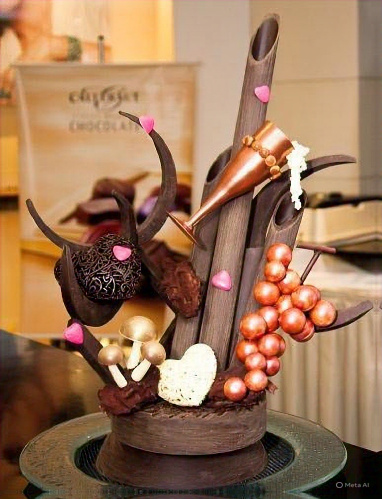
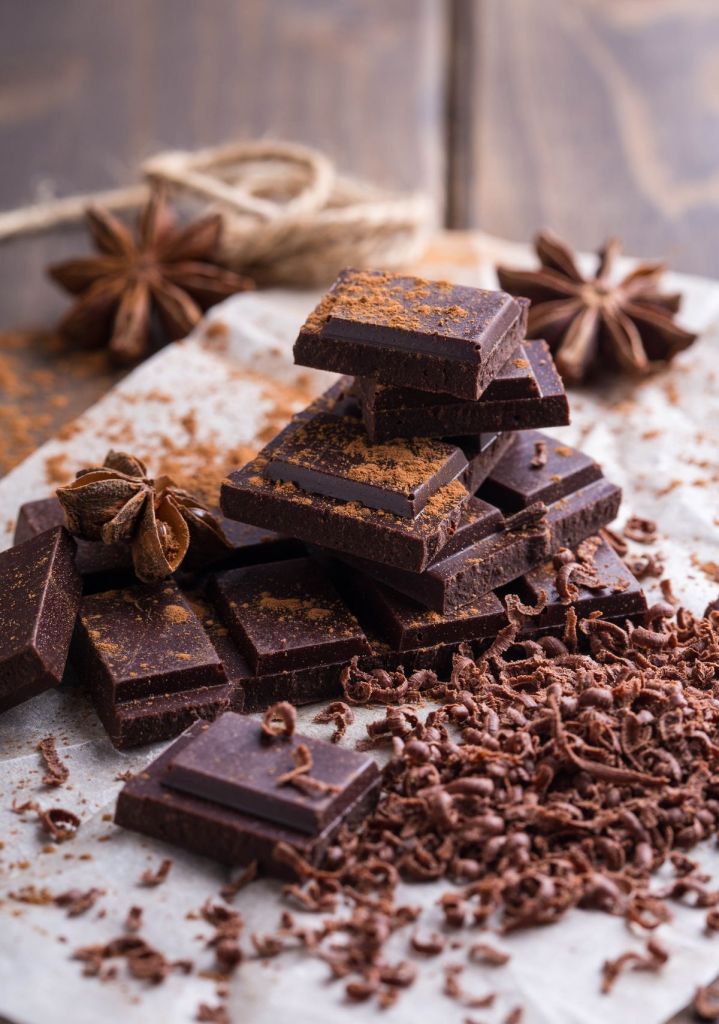
Imagen superior: Escultura de chocolate de Philippe Vancayseele / Imagen inferior: Garcy Photo
By Brisa Cósmica
These days, Guadalajara tastes like coffee… and cocoa. Expo Café & Gourmet 2026 is already here, and it’s basically the big event for coffee and gourmet professionals, but also for chocolate lovers in the region. It’s happening from March 11–13 at Expo Guadalajara, and it’s all about specialty chocolates—from the cacao bean all the way to the finished bar.
Here’s the cool part: cacao flavor really depends on how the bean is treated after the harvest. There are two main preparation methods—fermentation and washing. Fermentation takes about 5–7 days and it brings out those deep aromas and flavors while cutting down on bitterness. Washing, on the other hand, skips that step and gives you a simpler cacao that’s super common in traditional table chocolates.
To take into account: the International Chocolate Awards are considered one of the most prestigious competitions in the world and they are organized by the IICCT (International Institute of Chocolate and Cocoa Tasting).
And get this—some of the best national chocolate makers will be at this event, because it includes a themed area dedicated to chocolate and cocoa. So yeah, if you’re into chocolate (or you just love tasting amazing things) this is definitely the place to be for you.
Image above: Chocolate sculpture of Philippe Vancayseele / Image below by Garcy Photo
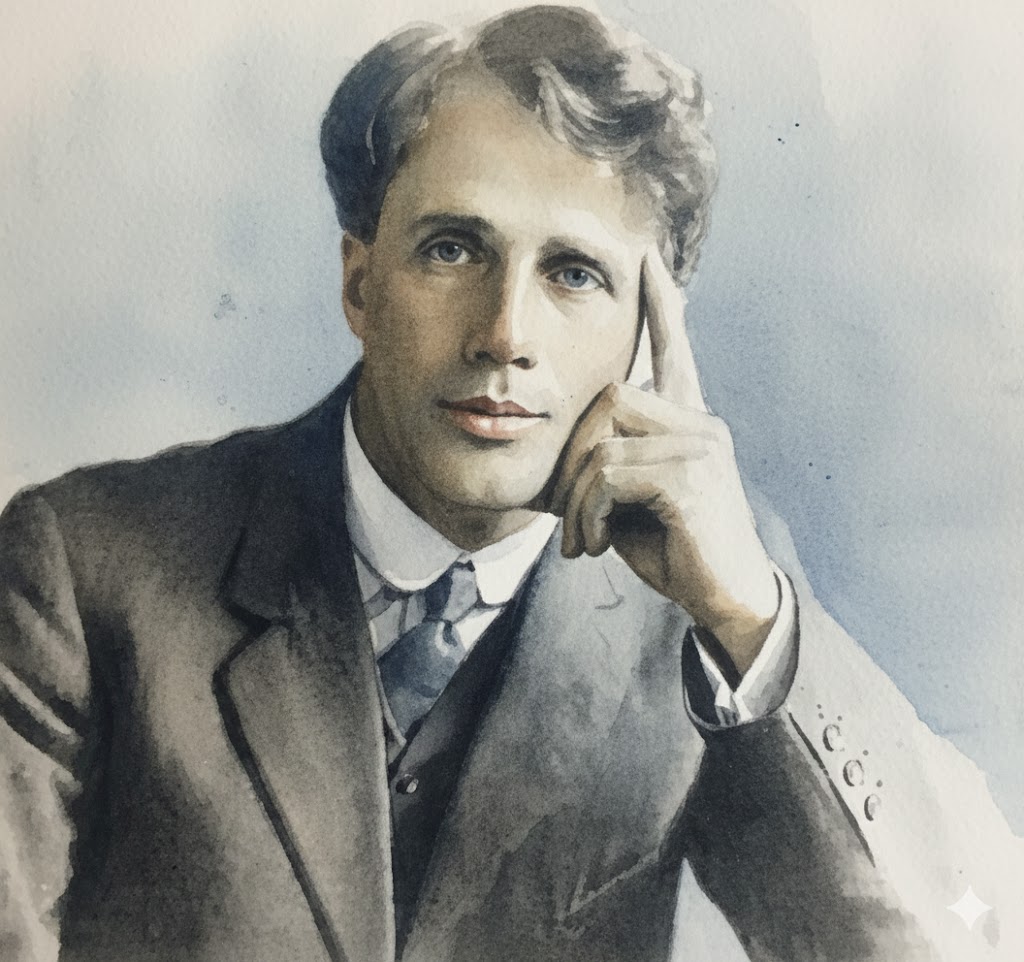
Robert Lee Frost (1874 – 1963) fue un poeta estadounidense conocido por su descripción de la vida rural y su dominio del habla coloquial. Frost a menudo escribía sobre escenarios de la vida rústica en Nueva Inglaterra a principios del siglo XX, usando estos escenarios para examinar temas filosóficos y sociales complejos.
«Fuego y Hielo»(Fire and Ice) es un famoso poema breve publicado en 1920 que explora la destrucción del mundo a través de dos metáforas: el deseo (fuego) y el odio (hielo), sugiriendo que ambas pasiones humanas son igualmente destructivas y pueden llevar al fin del mundo.
Robert Lee Frost (1874 – 1963) was an American poet Known for his realistic depictions of rural life and his command of American colloquial speech. Frost frequently wrote about settings from rustic life in New England in the early 20th century, using them to examine complex social and philosophical themes.
«Fire and Ice» is a famous short poem published in 1920 by Robert Frost, which explores the destruction of the world through two metaphors: desire (fire) and hate (ice), suggesting that both human passions are equally destructive and can lead to the end of the world.
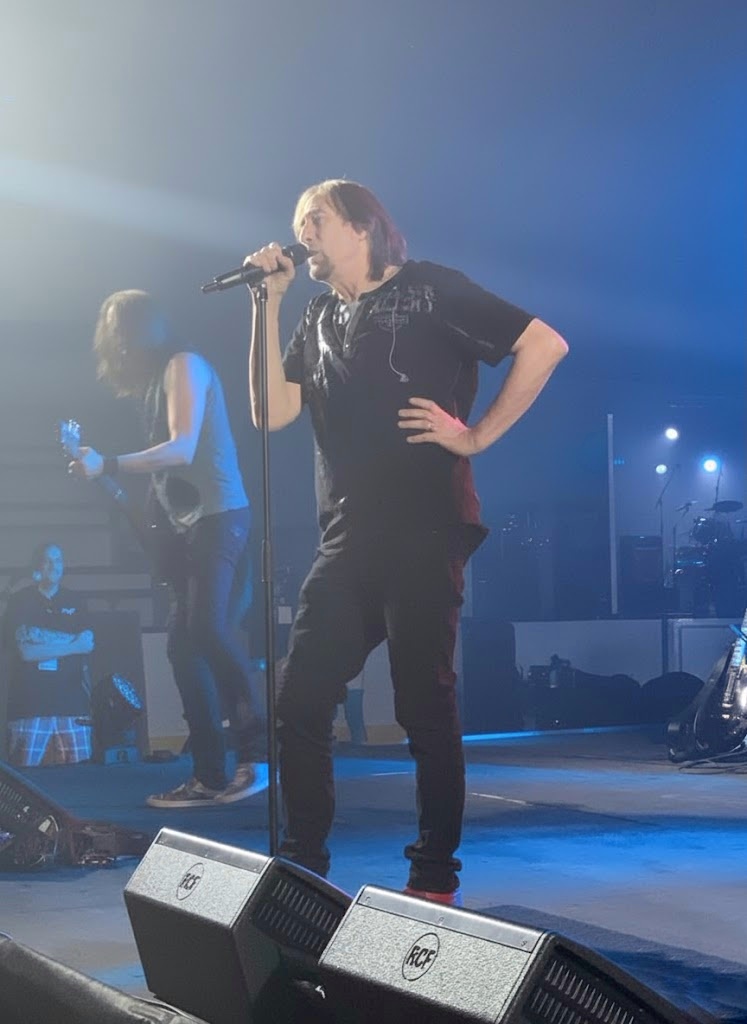
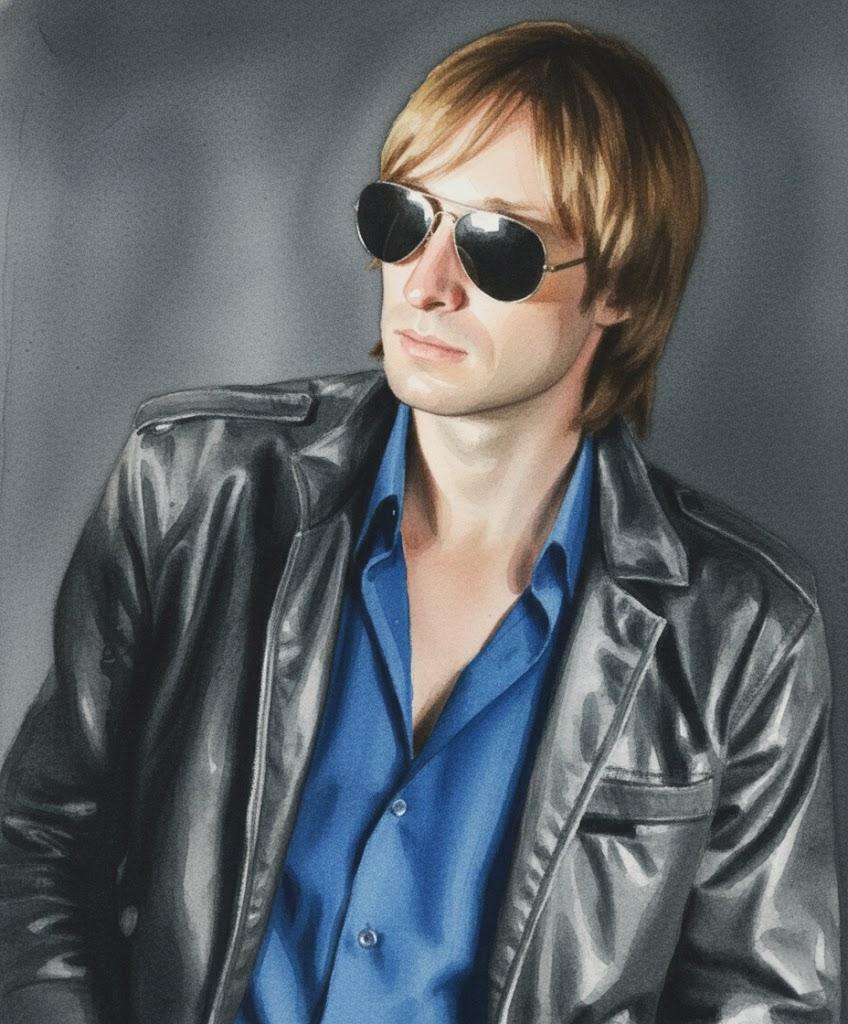
Undoubtedly ahead of his time, the work of the iconic British-Canadian singer and songwriter, Nicholas George Gilder, better known as Nick Gilder, delivers a captivating avant‑garde sound that helped shape the front lines of the new wave movement, also being a rich source of inspiration for other artists.
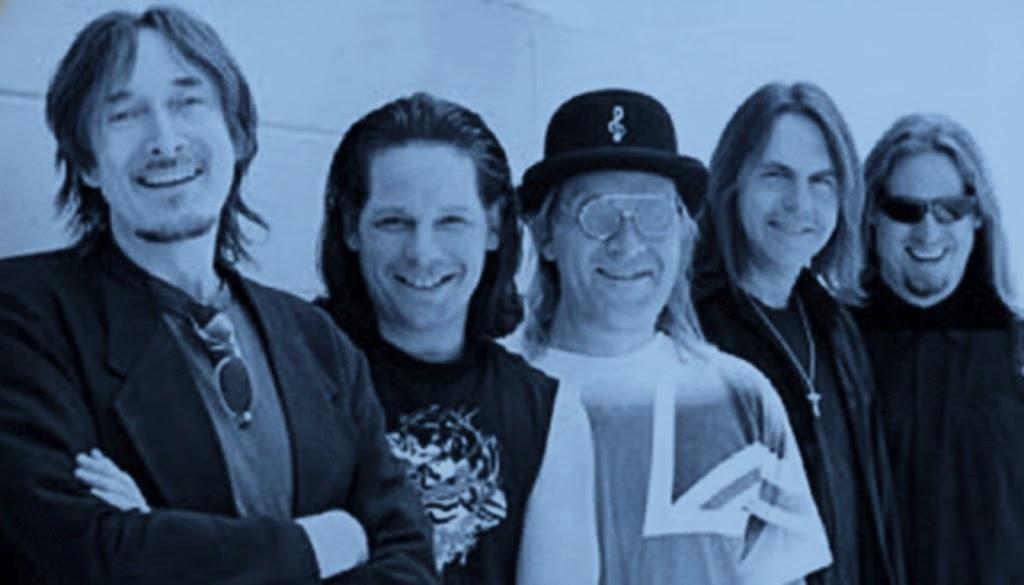
Gifted with a unique and instantly recognizable vocals, his performance is high-pitched and smooth, frequently transitioning between chest voice and falsetto. For most of his career, Gilder’s exceptional vocals was complemented by the work of guitarrist of equal talent, Jim McCulloch. Together, they elevated Gilder’s solo projects and the music of his band, Sweeney Todd, to a level of refinement and elegance that no one else has been able to achieve.
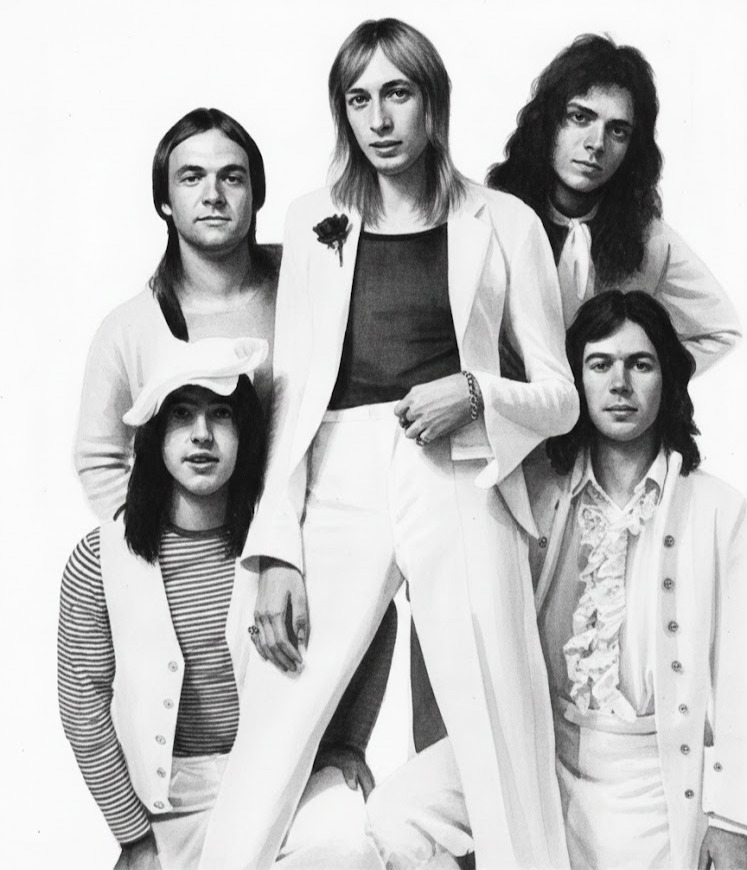
Sweeney Todd‘s self‑titled debut album brought immediate commercial success, propelled by the single Roxy Roller. Following this, Gilder and McCulloch moved to Los Angeles, from where they released the emblematic albums You Know Who You Are and City Nights. Later, Rock America, Frequency and Body Talk Muzic, did not achieve the same commercial success, but were still viewed as master pieces by many rock’n’roll lovers. [*See link 5 bellow*]
Gilder’s achievements include three Juno Awards and his recent induction into the Canadian Music Hall of Fame, an honor he shares with longtime collaborator Jim McCulloch. Not less laudable, in the latest times, Gilder has chosen to go back to the roots of rock’n’roll, stripping away complex arrangements for the sake of simplicity.
(b)
With all this in mind, and a long list of questions, I begin my interview:
MARÍA: Thanks Nickie for doing this interview for El Artca. According to what I know, you were born in London, is that correct? And if so, for how long did you live in London, and why did you move, or were taken, to Canada?
NICK: I moved to Canada Ontario when I was a kid, then returned to England for about three years, then to BC, Canada.
M. At what age did you start singing professionally?
N. I think I was 20ish.
M. What are your musical influences?
N. It was Led Zeppelin that truly made me want to get involved in rock & roll.
M. Hey, I read that your first band was Rasputin, is that correct? Or was it Sweeney Todd?
N. Rasputin became Sweeney Todd.
M. And did you release any recording with Rasputin?
N. There wasn’t any recording done until the name change.
M. I actually found a couple of recordings. One of them sounds like good old classic rock, the other one…sorry but did Iron Maiden kind of borrow Rasputin’s songs? [* See links 1 and 2 bellow*]
N. That was done on a cassette machine [laughs]… Live, of course.
M. The recordings are informal, but I personally think the music is brilliant… Why did you leave behind some of the band members when you moved to the U.S.?
N. I had started to pursue a solo career.
M. Although you reunited with Sweeney Todd some years later, correct?
N. Well, sort of the original band had developed some issues that prevented some of the guys (from) working together. It’s a long story, (I) did manage to have an original member in the band again for a while and then another after that for a while.
M. Sweeney Todd is the band’s name, also the title of the first Sweeney Todd’s album and the name of a song, right? Sweeney Todd was also the main character of a Victorian tale popular in 19th century London, is that correct?
N. Yes that’s correct. The song was Sweeney Todd folder [*See link 3 bellow*]
(c)
M. In that song I cannot figure out if you are talking about the legend of Sweeney Todd, or someone with that nickname, or perhaps it’s a metaphor for something else…
N. The song was really about all the hopes and dreams that where contained in the band’s information folder at our agents [laughs].
M. He is the main character in The String of Pearls. And there is a famous Broadway musical, a movie… Was there any tradition to play songs about this subject, or this character?
N. We needed a new name and I had a list of names, I asked my Mom her opinion and she said, how about Sweeney Todd? I thought it had a catchy interesting quality, to be honest not completely aware of exactly how macabre the character was, really quite sinister compared to Rasputin. It certainly worked though.
M. Terrific. There was a lot of debate about the meaning of Roxy Roller on some forum [*See link 4 bellow*]
N. What did you think it’s about [laughs]? I’m curious.
M. Well, let me listen to it again to try to figure it out…
N. It’s ok say whatever you think.
M. I don’t know… Maybe about a very good looking girl with a poorly paid job?
N. It is a sexy song, and she worked at a movie theatre. What she did was kind of secondary to me: it doesn’t matter what you do, a person should be treated fairly. The girls really like this song.
M. I agree. Every person should be treated fairly.
N. Ya, still it is a sexy song.
M. I like the metaphors, the rhyme is not forced and I just like songs that tell a story. The story is about love or sex and seem to have a poetic attribute because of the way it is presented.
N. Thanks. The girls used to go wild… [laughs]
M. Who taught you to sing, Nick?
N. I was in England and someone said: we need a new singer for our band, I said: I’ll do it. We practiced a few times before I moved to Canada.
M. May I ask what was the name of the band?
N. Yikes a long time ago, let me think…
(d)
M. Could we say that you learned to sing at a very young age?
N. I was about 18, I think.
M. Was this your school band? Or church?
N. No, it was a top 40 band.
M. Do you mean a top 40 most popular on radio?
N. One the bands that plays the radio hits.
M. I see. What radio hits did you sing at that time?
N. It would have been the Beatles, the Stones, Bowie etc. We didn’t practice that often.
M. How cool, I had a feeling you had sung Beatles… Have you ever played a musical instrument?
N. I play some guitar.
(e)
M. Tell me about song writing, I know that you have composed songs for or together with other musicians, some of these songs were also sale hits, correct?
N. Yes, I have written with other writers. Probably the most successful was The Warrior for Scandal.
M. About how many songs have you written or co-written, would you say it’s in the tenths or in the hundreds?
N. Oh, definately at least hundreds.
M. I thought so. I still have a lot of homework to do with listening to your albums. I only have listened to some songs here and there, and already your work seems to me like a musical planet or more like a universe for its length, weight and variety… By the way, what happened to A night on the town, a day in the country? I read it was shelved?
N. Ya, I decided to take a different direction.
M. Tell me what has been the general purpose of playing music all these years, I mean, besides being able to make a living doing something that you really like, does your work have a message or a purpose that goes beyond its artistic nature?
N. Its awesome, of course, to do what you love and make peoples day perhaps a bit more pleasant. Actually folks really enjoy hearing these classic songs live. And really music is a chance to put more love into the world! God knows we need it!
M. Nick are you religious? As you know, rock & roll roots are closely related to faith and mysticism. Were you inspired by faith at some point?
N. I really simply thought that music connects like a path of least resistance because it’s vibration so to speak, I believe in a spirituality.
M. That is a very beautiful way to say it. What is the influence of folk or traditional music in your work?
N. Not sure there is any…
M. I know that at the moment, you are in the studio readying a new release, do you guys have any date in mind?
N. No date yet.
M. Thank you again for answering all my questions.
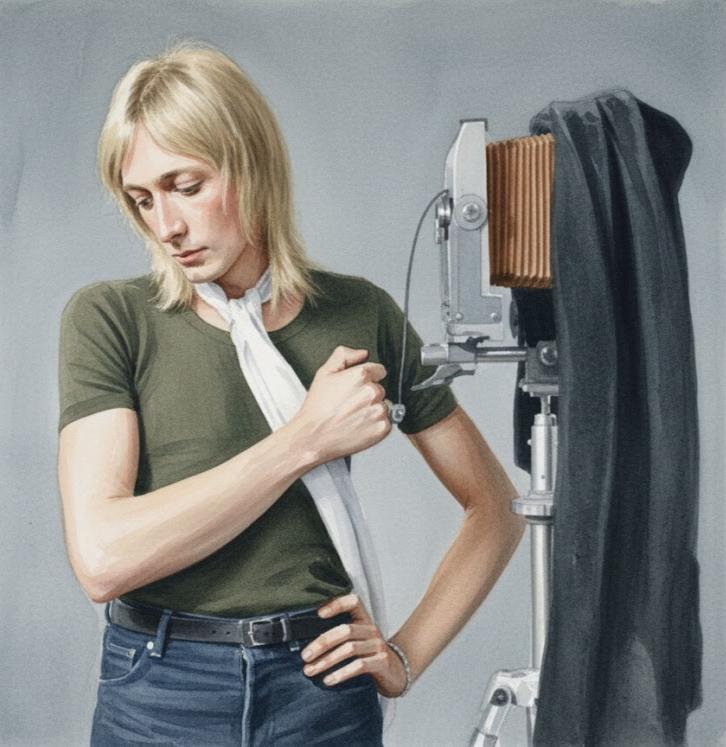
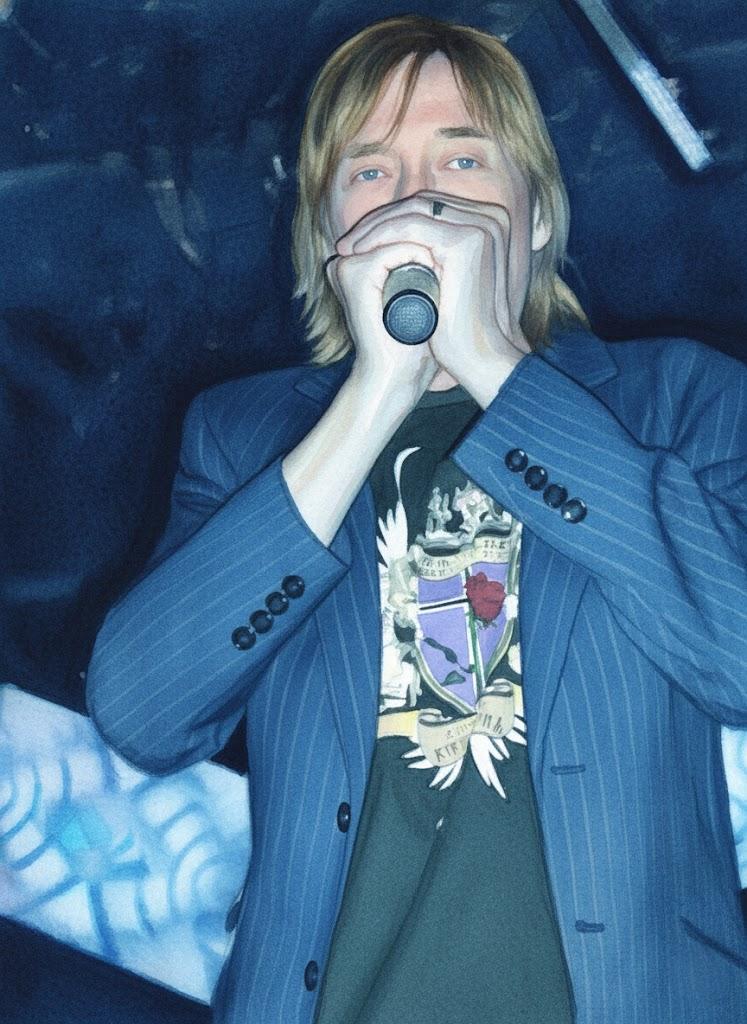
Images J and K by Austin Photographic Arts (edited) Austin.moloughney@gmail.com / Updates on Nick Gilder https://nickgilder.com/
………………………………………………..
ESTRELLATO, ESTILO Y ALGO DE SINTETIZADOR: EL GLAMUROSO REINADO NEW WAVE DE NICK GILDER
(f)
Por María Martínez Sánchez
Sin duda, un adelantado a su tiempo, el trabajo del icónico cantante y compositor británico-canadiense Nicolas George Gilder, mejor conocido como Nick Gilder, ofrece un sonido vanguardista cautivador que ayudó a dar forma a las primeras filas del movimiento de la nueva ola, siendo también una rica fuente de inspiración para otros artistas.
Dotado de una voz única y reconocible al instante, su interpretación es aguda y suave, con una transición frecuente entre voz de pecho y falsete. Durante la mayor parte de su carrera, su excepcional voz se complementó con el trabajo del prodigioso guitarrista Jim McCulloch, y juntos, elevaron los proyectos en solitario de Gilder y la música de su banda, Sweeney Todd, a un nivel de refinamiento y elegancia que nadie más ha podido alcanzar.
Su álbum debut homónimo Sweeney Todd obtuvo un éxito comercial inmediato, impulsado por el sencillo Roxy Roller. Después de esto, Gilder y McCulloch se mudaron a Los Ángeles, desde donde lanzaron los emblemáticos trabajos You Know Who You Are (Sabes quien eres) y City Nights (Noches de ciudad). Más tarde, Rock America (Rock América), Frequency (Frecuencia) y Body Talk Muzic (Música de lenguaje corporal) no tuvieron el mismo éxito comercial, si bien están considerados como obras maestras por muchos amantes del rock. [*Ver enlace 5 abajo*]
Los logros de Gilder incluyen tres premios Juno y una reciente incorporación al Salón de la Fama de la Música Canadiense, un honor que comparte con su colaborador de muchos años Jim McCulloch. No menos loable es que, en los últimos tiempos, Gilder haya optado por volver a las raíces del rock’n’roll, eliminando arreglos complejos en aras de la simplicidad.
(g)
Con todo esto en mente y una larga lista de preguntas, comienzo mi entrevista:
MARÍA: Gracias Nickie por hacer esta entrevista para El Artca. Según lo que sé, naciste en Londres, ¿es correcto? Y si es así, ¿cuánto tiempo viviste en Londres y por qué te mudaste o te llevaron a Canadá?
NICK: Me mudé a Canadá, Ontario, cuando era niño, luego regresé a Inglaterra durante unos tres años y luego a B.C., Canadá.
M. ¿A qué edad empezaste a cantar profesionalmente?
N. Tenía unos 20 años.
M. ¿Cuáles son tus influencias musicales?
N. Fue Led Zeppelin quien realmente me hizo querer involucrarme en el rock & roll.
M. Oye, leí que tu primera banda fue Rasputin, ¿es cierto? ¿O fue Sweeney Todd?
N. Rasputin se convirtió en Sweeney Todd.
M. ¿Y sacaste alguna grabación con Rasputín?
N. No se realizó ninguna grabación hasta el cambio de nombre.
M. De hecho encontré un par de grabaciones. Una de ellas suena a buen rock clásico, la otra… lo siento, pero ¿será que Iron Maiden tomó prestadas las canciones de Rasputin?[*Ver enlaces 1 y 2 abajo*]
N. Eso se hizo en una grabadora de casetes [risas] En vivo, por supuesto.
M. La grabación es informal, pero personalmente creo que la música es brillante… ¿Por qué dejaste atrás a algunos de los miembros de la banda cuando te mudaste a Estados Unidos?
N. Había empezado a seguir una carrera en solitario.
M. Aunque te reuniste con Sweeney Todd algunos años después, ¿correcto?
N. Bueno, la banda original había desarrollado algunos problemas que impedían que algunos de los chicos trabajaran juntos. Es una larga historia, logré tener a un miembro original en la banda nuevamente por un tiempo y luego a otro por un tiempo.
M. Sweeney Todd es el nombre de la banda, también el título del primer álbum de Sweeney Todd y el nombre de una canción, ¿correcto? Sweeney Todd también es el personaje principal de un cuento victoriano popular en el Londres del siglo XIX, ¿eso es correcto?
N. Sí, eso es correcto. La canción es Sweeney Todd Folder (la carpeta de Sweeney Todd) [*Ver enlace 3 abajo*]
(h)
M. En la canción no puedo entender si estás hablando de la leyenda de Sweeney Todd, o de alguien con ese sobrenombre, o quizás es una metáfora para otra cosa…
N. La canción realmente trata sobre todas las esperanzas y sueños que estaban contenidos en la carpeta informativa de la banda de nuestros agentes [risas].
M. Es el personaje principal de El collar de perlas. Y hay un famoso musical de Broadway, una película… ¿Había alguna tradición de tocar canciones sobre este tema, o este personaje?
N. Necesitábamos un nuevo nombre y yo tenía una lista de nombres, le pedí a mi madre su opinión y ella dijo ¿qué tal Sweeney Todd? Pensé que tenía una cualidad interesante y pegadiza, para ser honesto, no era del todo consciente de cuán macabro era exactamente el personaje, realmente bastante siniestro en comparación con Rasputín. Aunque ciertamente funcionó.
M. Fantásticamente. Había mucho debate sobre el significado de la letra de Roxy Roller en un foro [Ver enlace 4 a continuación]
N. ¿De qué crees tú que se trata [risas]? Tengo curiosidad.
M. Bueno, déjame escucharlo de nuevo para intentar entenderlo…
N. Está bien, di lo que piensas.
M. No lo sé… ¿Tal vez sobre una chica muy guapa con un trabajo mal pagado?
N. Es una canción sexy y ella trabajaba en un cine. Lo que ella hacía era algo secundario para mí: no importa lo que hagas, cualquier persona debe ser tratada con justicia. A las chicas les gustaba mucho esta canción.
M. Estoy de acuerdo. Cualquier persona debe ser tratada de manera justa.
N. Sí, aún así es una canción sexy.
M. Me gustan las metáforas, la rima no es forzada y simplemente me gustan las canciones que cuentan una historia. La historia trata sobre amor o sexo y parece tener un atributo poético por la forma en que se presenta.
N. Gracias. Las chicas solían volverse locas con esta canción… [risas]
M. ¿Quién te enseñó a cantar, Nick?
N. Estaba en Inglaterra y alguien dijo: necesitamos un nuevo cantante para nuestra banda, yo dije: seré yo. Practicamos varias veces antes de mudarme a Canadá.
M. ¿Puedo preguntar cuál era el nombre de la banda?
N. Vaya, hace mucho tiempo, déjame pensar…
(i)
M. ¿Podríamos decir que aprendiste a cantar cuando eras muy joven?
N. Creo que tenía unos 18 años.
M. ¿Era esta la banda de tu escuela? ¿O iglesia?
N. No, era una banda top 40.
M. ¿Te refieres al top 40 de los más populares en la radio?
N. Una de las bandas que tocan los éxitos de la radio.
M. Ya veo. ¿Qué éxitos de la radio cantabas en esa época?
N. Habrían sido los Beatles, los Stones, Bowie, etc. No ensayábamos tan a menudo.
M. Qué genial, tenía la sensación de que habías cantado a los Beatles… ¿Alguna vez has tocado un instrumento musical?
N. Toco algo de guitarra.
(j)
M. Háblame sobre la composición de canciones, sé que has compuesto canciones para o junto a otros músicos, algunas de estas canciones también fueron éxitos de venta, ¿correcto?
N. Sí, he escrito con otros compositores. Probablemente el más exitoso fue The Warrior (La guerrera) de Scandal.
M. ¿Aproximadamente cuántas canciones has escrito o coescrito, dirías que son decenas o centenas?
N. Oh, definitivamente al menos cientos de canciones.
M. Eso pensé. Todavía tengo mucha tarea que hacer para escuchar tus álbumes. Sólo he escuchado algunas canciones aquí y allá, y ya tu trabajo me parece un planeta musical o más bien un universo por su extensión, peso y variedad… Por cierto, ¿qué pasó con A Night on the Town, A Day in the Country, (Una noche en la ciudad, un día en el campo)? ¿Leí que fue archivado?
N. Así es, decidí tomar una dirección diferente.
M. Cuéntame cuál ha sido el propósito general de tocar música todos estos años, es decir, además de poder ganarte la vida haciendo algo que realmente te gusta, ¿tu trabajo tiene un mensaje o un propósito que va más allá de su naturaleza artística?
N. Es maravilloso, por supuesto, hacer lo que te gusta y conseguir que el día de algunas personas sea quizás un poco más placentero. De hecho, la gente disfruta mucho escuchando estas canciones en vivo. ¡Y realmente la música es una oportunidad para poner más amor en el mundo! ¡Dios sabe que lo necesitamos!
M. Nick, ¿eres religioso? Como sabes, las raíces del rock & roll están estrechamente relacionadas con la fe y el misticismo. ¿Te ha inspirado la fe en algún momento?
N. Realmente simplemente pienso que la música conecta como un camino de menor resistencia porque es vibración, por así decirlo, creo en la espiritualidad.
M. Esa es una manera muy hermosa de decirlo. ¿Cuál es la influencia de la música folk o tradicional en tu trabajo?
N. No estoy seguro de que haya alguna…
M. Sé que en este momento estáis en el estudio preparando un nuevo lanzamiento, ¿tenéis alguna fecha en mente?
N. Aún no hay fecha.
M. Gracias nuevamente por responder todas mis preguntas.
Imágenes J y K por Austin Photographic Arts (editadas) contacto: austin.moloughney@gmail.com / Actualizaciones sobre Nick Gilder https://nickgilder.com/
De las sombras me levanto, hecho de fragmentos, con la piel marcada por historias que ya no pesan en mis hombros.
Soy el eco de mis pasos antiguos, un susurro que se vuelve voz. Renazco de cada caída, más fuerte, más vivo, más yo.
Como el ave que en cenizas halla su fuego, de cada herida brota una flor, y en mis ruinas, he plantado semillas de un mañana que espera en silencio.
Ahora soy el río que no se detiene, que rompe piedras, que cruza abismos. Resiliente, inquebrantable, soy el renacer de mi propio destino.
Y al encontrarme en esta nueva piel, me abrazo sin miedo, sin juicio ni duda, sabiendo que, en cada cambio, en cada quebranto, es mi verdad la que finalmente desnudo.
Porque soy tierra fértil, mar profundo, tempestad y calma, viento y raíz. Me reconstruyo, me deshago, me elevo, eterno ciclo de fuerza sin fin.
……………………………………………….
Poema musicalizado con letra de Carmelo G. Zerpa
…………………………………………….
Imágenes de Edward Fielding (editadas)
By Carmelo G. Zerpa
From the shadows I rise, torn to pieces, with the skin marked by stories that no longer are hevy on my shoulders.
I am the echo of my ancient steps, a whisper that becomes a voice. I am reborn from each fall, stronger, more alive, more me.
Like the bird that finds its fire in ashes, from each wound a flower sprouts, and in my ruins, I have planted the seeds from one tomorrow that waits in silence.
Now I am the river that does not stay still, breaking stones, crossing abysms. Resilient, inquebrantable, I am the rebirth of my own destiny.
And so finding myself in this new skin, I hug myself without fear, without judgement or doubt, knowing that, at each change, at each sorrow, it is my truth I finally strip.
Because I am fertile land, deep sea, tempest and calm, wind and root. I build myself, I disolve, I elevate, eternal cicle of strengh without end.
………………………………………………………..
Poem set to music with lyrics by Carmelo Zerpa
……………………………………………………….
Images by Edward Fielding (edited)/ Translated from Spanish by Mar Martínez
Di Carmelo G. Zerpa
Dalle ombre mi alzo, fatto di frammenti, con la pelle segnata da storie che non pesano più sulle mie spalle.
Sono l’eco dei miei antichi passi, un sussurro che diventa voce. Rinasco da ogni caduta, più forte, più vivo, più me.
Come l’uccello che trova il fuoco tra le ceneri, da ogni ferita nasce un fiore, e nelle mie rovine ho piantato semi di un domani che attende in silenzio.
Ora sono il fiume che non si ferma, chi rompe le pietre, chi attraversa l’abisso. Resistente, indistruttibile, sono la rinascita del mio destino.
E adesso che mi ritrovo in questa nuova pelle, mi abbraccio senza paura, senza giudizio o dubbio, sapendo che, in ogni mutazione, in ogni rottura, è la mia verità che finalmente ho messo a nudo.
Perché sono terra fertile, mare profondo, tempesta e calma, vento e radice. Mi ricostruisco, crollo, mi rialzo, ciclo eterno di forza infinita.
……………………………………………….
Poesia musicata con testi di Carmelo G. Zerta
Fotografie da Edward Fielding (editate) /Tradotto dallo spagnolo da Mar Martínez
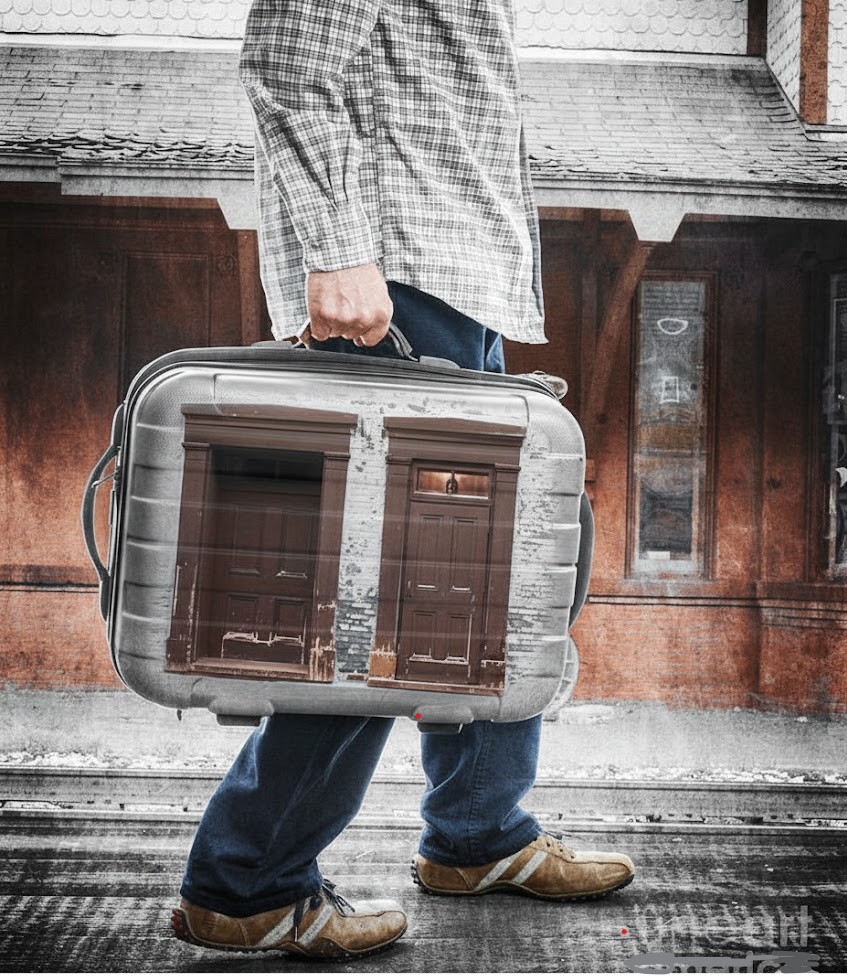
Un día ya no seré un verbo, seré un nombre o un pronombre inexacto, alguien generoso, quizás me recuerde con algún adjetivo… Seré un singular solitario, yo que tanto amé el plural de los encuentros…
. No podré elegir ningún adverbio que me corteje. No seré presente, ni escribiré en futuro. El pasado será el único puente que me vincule a la historia. No tendré casa, ni ropa, ni joyas, ni posesión alguna.
. Otros habitarán mis espacios, caeré en la desmemoria de los muertos. No dejaré más hijos que aquellos que en mí descubrieron un gesto maternal.
.
Algún árbol por mí plantado quizás sobreviva al maltrato humano y respire cuando yo no pueda hacerlo. Alguno de mis libros quizás sea leído o simplemente mantenga una puerta.
. Mis fotos nada dirán a los ojos de los desconocidos que se desharán de todas ellas. Se perderán mis viajes en la nada, y mis amigos, mis mascotas y mis afectos.
. Quizás algún vestigio de mi paso habitará esa “nube” que no produce agua, ni granizo, ni nieve, ni sombra y que dicen que guarda retazos de lo que para nosotros fue importante.
. O quizás ni eso… Nada seré para nadie en esa nada que envolverá mi todo.
Poema musicalizado con letra de Ina Molina
Biografía breve
Nació en Las Palmas de Gran canaria. Es Diplomada en Magisterio, Licenciada en Pedagogía y Máster en Logopedia; escritora, poeta, comunicadora y dinamizadora cultural. Escribe desde niña y recuerda que el mejor regalo era un cuento. Ha publicado en solitario el poemario Versos heridos (ArtGerust 2014); el libro de relatos Nada es lo que parece (Aguere/Idea mayo 2022); Afurgad, las voces del agua (Editado por el Ilustre Ayuntamiento de Firgas, 2022); el poemario Las esquinas del tiempo (Beginbook, 2022); La mujer del espejo, Relatos al límite (Beginbook Ediciones, 2024) y Un paseo por las emociones (2016 Letras y Sonidos) a tres manos. Ha participado en diversas Antologías de narrativa y poesía, de ámbito local, nacional e internacional. También ha formado parte de proyectos multidisciplinares de pintura, música y palabra. Correctora, prologuista y colaboradora en obras de otros autores y en varias revistas literarias. Ha participado en diversos programas de radio. Conductora y contertulia de varios programas de TV local. Miembro de diversas asociaciones culturales y literarias. Integrante y coordinadora de la directiva del grupo de teatro aficionado El Ómnibus, Teatro del Pueblo (actriz, codirectora y correctora de guiones). Apoya y colabora con la Asociación Canaria de Integración de Salud Mental Espiral a quienes ha donado los beneficios de la venta de una de sus obras. También apoya al Taller de teatro del Centro Penitenciario Las Palmas. Algunos de sus poemas han sido musicados por el cantautor Luis Fajardo y por el Grupo Folclórico Tabaiba.
Participó en diversas actividades de la Feria Internacional del Libro (FIL) de Guadalajara 2025.
……………………………
Fotografías de Galileo Contreras
By Ina Molina Pérez
One day I will no longer be a verb, I will be an inaccurate noun or a pronoun, someone generous, may remember me with some adjective… I will be a singular loner, I, who loved the plural of encounters so much…
.Breve biografia
I won’t be able to choose any adverb to court me. I will not be the present, nor will I write in the future. The past will be the only bridge to link me to history. I will have no house, no clothes, No jewelry, no possessions at all.
. Others will inhabit my spaces, I will fall into the forgetfulness of the dead. I will not leave any more children than those that discovered a maternal gesture in me.
. Some tree planted by me may survive human abuse and breathe when I can’t. Some of my books may be read or just keep a door.
. My photos will say nothing to the eyes of strangers who will get rid of all of them. My trips will be lost in nothingness, and so my friends, my pets and my affections.
. Maybe some vestige of my passage will inhabit that “cloud” that does not produce water, no hail, no snow, no shadow, the cloud they say it keeps pieces of what was important to us.
. Or maybe not even that… I will be nothing to anyone in that nothingness that will envelop my everything.
Poem set to music with lyrics by Ina Molina
Brief biography
She was born in Las Palmas de Gran Canaria. She has a Diploma in Teaching, a Degree in Pedagogy and a Master in Speech Therapy; writer, poet, communicator and cultural promoter. She has been writing since she was a child and remembers that the best gift was a story. He has published solo the collection of poems Versos injured (ArtGerust 2014); the story book Nothing is what it seems (Aguere/Idea May 2022); Afurgad, the voices of the water (Edited by the Illustrious City Council of Firgas, 2022); the collection of poems The Corners of Time (Beginbook, 2022); The Woman in the Mirror, Tales to the Limit (Beginbook Ediciones, 2024) and A Walk Through Emotions (2016 Letters and Sounds) in three hands. She has participated in various Anthologies of narrative and poetry, locally, nationally and internationally. She has also been part of multidisciplinary projects of painting, music and words. Proofreader, prologue writer and collaborator in works by other authors and in several literary magazines. She has participated in various radio programs. Host and talk show host of several local TV programs. Member of various cultural and literary associations. Member and coordinator of the board of directors of the amateur theater group El Ómnibus, Teatro del Pueblo (actress, co-director and script editor). She supports and collaborates with the Canarian Association for Mental Health Integration Spiral to whom she has donated the profits from the sale of one of her works. She also supports the theater workshop at the Las Palmas Penitentiary Center. Some of her poems have been set to music by the singer-songwriter Luis Fajardo and by the Tabaiba Folkloric Group.
She participated in various activities at the Guadalajara 2025 International Book Fair.
…………………
Translated from English by Mar Martínez / Photos by Galileo Contreras
Di Ina Molina Pérez
Un giorno non sarò più un verbo, sarò un sostantivo o un pronome impreciso, qualcun generoso, magari ricordami con qualche aggettivo… Sarò un singolare solitario, Io che amavo tanto il plurale degli incontri…
. Non potrò scegliere nessun avverbio che mi corteggi. Non sarò presente, né scriverò in futuro. Il passato sarà l’unico ponte che mi collegherà alla storia. Non avrò casa, né vestiti, Niente gioielli, niente oggetti.
.
Altri abiteranno i miei spazi, Cadrò nell’oblio dei morti. Non lascerò più figli di quelli che in me hanno scoperto un gesto materno.
. Qualche albero piantato da me potrebbero sopravvivere agli abusi umani e respirare quando io non posso. Alcuni dei miei libri potrebbero essere letti o semplicemente tenere una porta.
.
Le mie foto non diranno nulla agli occhi degli sconosciuti Si sbarazzeranno di tutti loro. I miei viaggi si perderanno nel nulla, e i miei amici, i miei animali domestici e i miei affetti.
. Forse qualche traccia del mio passaggio abiterà quella “nuvola” che non produce acqua, niente grandine, niente neve, niente ombra e che dicono conserva pezzi di ciò che era importante per noi.
O forse nemmeno quello… Non sarò niente per nessuno in quel nulla che avvolgerà il mio tutto.
Poesia musicata con testi di Ina Molina
………………………….
Breve biografia
È nata a Las Palmas de Gran Canaria. Ha il Diploma di Magistero, la Laurea in Pedagogia e il Master in Logopedia; scrittore, poeta, comunicatore e promotore culturale. Scrive fin da quando era bambina e ricorda che il regalo più bello era una storia. Ha pubblicato da solista la raccolta di poesie Versos feriti (ArtGerust 2014); il libro di fiabe Niente è ciò che sembra (Aguere/Idea maggio 2022); Afurgad, le voci dell’acqua (a cura dell’Illustre Consiglio Comunale di Firgas, 2022); la raccolta di poesie The Corners of Time (Beginbook, 2022); La donna allo specchio, Racconti al limite (Beginbook Ediciones, 2024) e Una passeggiata tra le emozioni (2016 Lettere e suoni) a tre mani. Ha partecipato a varie antologie di narrativa e poesia, a livello locale, nazionale e internazionale. Preso parte anche a progetti multidisciplinari di pittura, musica e parole. Correttore di bozze, prologo e collaboratore in opere di altri autori e in diverse riviste letterarie. Ha partecipato a vari programmi radiofonici. Conduttrice di talk show di diversi programmi televisivi locali. Membro di diverse associazioni culturali e letterarie. Membro e coordinatore del consiglio di amministrazione del gruppo teatrale amatoriale El Ómnibus, Teatro del Pueblo (attrice, co-regista e sceneggiatrice). Sostiene e collabora con l’Associazione Canaria per l’Integrazione della Salute Mentale Spiral alla quale ha devoluto il ricavato della vendita di una sua opera. Sostiene inoltre il laboratorio teatrale presso il Centro Penitenziario di Las Palmas. Alcune delle sue poesie sono state musicate dal cantautore Luis Fajardo e dal Gruppo Folklorico Tabaiba.
Ha partecipato a varie attività alla Fiera Internazionale del Libro di Guadalajara 2025.
Tradotto dallo spagnolo da Mar Martínez / Foti di Galileo Contreras
Escritora y narradora nacida en Arafo, Tenerife. Licenciada en Geografía e Historia con especialidad en Historia del Arte. Autora de la novela Finis Mare y de los libros de relatos Cine en cortos, Por las calles de la vida, Relatos de la Patagonia y Los espejos que se miran. Ha participado en más de setenta antologías y colaborado en radio, prensa y revistas literarias de España y América Latina. Su actividad ha sido declarada de Interés Cultural en Mar del Plata (Argentina) y forma parte de la Biblioteca y Audioteca de Canarias.
Reconocida con numerosos premios internacionales de microrrelato, cuento y poesía en Argentina, Chile, España y México, entre ellos el Primer Premio Letras de Iberoamérica (2025). Ha presidido la Asociación Cultural Canaria de Escritores/as y dirigido la colección Teide. Ha sido jurado en certámenes literarios, viajera cultural en varios países y su obra se encuentra presente en espacios públicos como el Hotel Occidental Contemporáneo de Santa Cruz de Tenerife.
Felicidad Batista ha participado en diversas actividades de la Feria Internacional del Libro (FIL) de Guadalajara en su edición 2025.
Poem set to music with lyrics by Felicidad Batista
—————–
Brief Bio
Writer and narrator born in Arafo, Tenerife. She graduated in Geography and History with a specialty in Art History. Author of the novel Finis Mare and the short story books Cinema in Shorts, Through the Streets of Life, Stories from Patagonia and The Mirrors That Look at each other. She has participated in more than seventy anthologies and collaborated on radio, press and literary magazines in Spain and Latin America. Her activity has been declared of Cultural Interest in Mar del Plata (Argentina) and her work is part of the Library and Audio Library of the Canary Islands.
Recognized with numerous international awards for short stories and poetry in Argentina, Chile, Spain and Mexico, including the First Prize for Literature in Ibero-America (2025). She has chaired the Canarian Cultural Association of Writers and directed the Teide collection. She has been a juror in literary competitions, a cultural traveler in several countries and her work is present in public spaces such as the Hotel Occidental Contemporáneo in Santa Cruz de Tenerife.
Felicidad Batista has participated in various activities of the Guadalajara International Book Fair (FIL) in its 2025 edition.
Scrittore e narratore nata ad Arafo, Tenerife. Laureata in Geografia e Storia con specializzazione in Storia dell’Arte. Autore del romanzo Finis Mare e dei libri di racconti Cinema in cortometraggi, Per le strade della vita, Storie dalla Patagonia e Gli specchi che si guardano. Ha partecipato a più di settanta antologie e collaborato con radio, stampa e riviste letterarie in Spagna e America Latina. La sua attività è stata dichiarata di Interesse Culturale a Mar del Plata (Argentina) e fa parte della Biblioteca e Audioteca delle Isole Canarie.
Riconosciuta con numerosi premi internazionali per racconti e poesia in Argentina, Cile, Spagna e Messico, tra cui il Primo Premio per la Letteratura in Ibero-America (2025). Ha presieduto l’Associazione Culturale degli Scrittori delle Canarie e ha diretto la collezione del Teide. È stata giurata in concorsi letterari, viaggiatrice culturale in diversi paesi e il suo lavoro è presente in spazi pubblici come l’Hotel Occidental Contemporáneo a Santa Cruz de Tenerife.
Felicidad Batista ha partecipato a varie attività della Fiera Internazionale del Libro di Guadalajara (FIL) nella sua edizione 2025.
Nacida en Leópolis, Ucrania, es doctora en literatura ucraniana y profesora de estudios literarios. Su investigación se centra en la literatura medieval.
En su poemario Curso intensivo en cócteles molotov (A Crash Course in Molotov Cocktails) encontró las herramientas poéticas para digerir la violencia y el horror de la guerra. Su poesía es estratificada, de un lirismo introspectivo. Tanto el poemario original como su traducción al inglés, de Amelia Glaser y Yuliya Ilchuk, han sido finalistas de varios premios literarios.
Perderse en la Vida (Lost in Living) presenta el trabajo inédito de los años inmediatamente anteriores a la invasión, cuando la vida en Ucrania estaba marcada por la agitación pero la guerra a gran escala aún no se había normalizado. Ha traducido obras de otros escritores del polaco al ucraniano y ha publicado literatura para niños. Kruk participará en el Salón de Poesía de FIL Guadalajara 2025 los días 2 y 3 de diciembre.
nuestro refrigerador desconectado
te amo desde todos los lugares.
todavía hay mucho territorio por explorar,
puedes seguir y seguir, hasta que tu frente choque
con los imanes del refrigerador,
traídos de varios países: no estuvimos juntos aquí, ni allá,
y te envié fotos y textos desde aquí, y te llamé desde allá,
un paisaje espectacular, una nutria de dientes amarillos, un bosque de bambú
que solo se alzaba y se alzaba, cuidando la Tierra,
entonces un día empezó a crecer y se elevó muy alto.
la lista de las ciudades que tenemos que ver
cuando todo esto termine se ha vuelto tan larga
que me pregunto al alba en un país extranjero,
en algún hotel, desde una cama incómoda:
¿nos quedará suficiente vida para ver toda la lista?
¿tendremos suficiente espacio en la cabeza
para todo este extraño crecimiento?
¿tendremos suficiente fuerza para todo esto?
«hay algo de lo que no tienes que preocuparte,» bromeas, «que cuando ya no tengamos más espacio para imanes, compremos un refrigerador más grande.»
te amo desde todos los lugares.
vuelvo a ti desde cualquier lugar, como un imán
Traducción del inglés: Mar Martínez, poema original de Halyna Kruk, traducción ucraniano-inglés de Amelia Glaser y Yuliya Ilchuk
Born in Lviv, Ukraine, she holds a doctorate in Ukrainian literature, is a professor of literary studies, and her research focuses on medieval literature.
In her poetry collection A Crash Course in Molotov Cocktails, she found the poetic tools to process the violence and horror of war. Her poetry is layered, with an introspective lyricism. Both the original collection and its English translation by Amelia Glaser and Yuliya Ilchuk have been finalists for several literary awards.
Lost in Living presents previously unpublished work from the years immediately preceding the invasion, when life in Ukraine was marked by turmoil but full-scale warfare had not yet become the norm. She has translated works by other writers from Polish into Ukrainian and has published children’s literature. Kruk will participate in the Poetry Salon of FIL Guadalajara 2025 on December 2nd and 3rd.
our unplugged refrigerator
i love you from all the places.
there’s still a lot of uncharted territory,
you can go on and on, until your forehead hits
the refrigerator magnets,
brought from various countries: we weren’t together here, or there,
and i sent pictures and texts from here, and i called you from there,
a spectacular landscape, a yellow-toothed otter, a bamboo forest
that just stood and stood, guarding the earth,
then one day it began to grow, and shot way up overhead.
the list of cities we must see
when all this is over has grown so long
that i ask myself at dawn in a foreign country,
in some hotel, in an uncomfortable bed:
will we have enough life left for the whole list?
will we have enough headspace
for all that freakish growth?
will we have enough strength for it all?
«there’s one thing you don’t have to worry about,» you joke, «if we run out of space for magnets, we’ll buy a bigger refrigerator.»
i love you from all the places.
i return to you from everywhere, like a magnet
Translation from the Ukrainian by Amelia Glaser & Yuliya Ilchuck, written by Halyna Kruk



















 EL ARTCA