Como quien abre una puerta y encuentra una habitación llena de luz púrpura / LIKE SOMEONE WHO OPENS A DOOR AND FINDS A ROOM FILLED WITH PURPLE LIGHT / Come chi apre una porta e trova una stanza piena di luce porpora

Como quien abre una puerta y encuentra una habitación llena de luz púrpura

Por Armida Reed

Plancho tu camisa de hombre con almidón blanco

los retratos de la casa me hablan

del color púrpura que hay en mi interior

y de su desbordamiento inminente

como un río cuando llueve

después de mucho tiempo

.

Lavo mi vestido de tul

con aura de princesa,

 soy un ser púrpura

que tropieza

con retratos

y pelea con muebles,

con paredes,

y con otros seres

vestidos de blanco

.

Seres que se elevan de sus retratos

nos miran con sombras en los ojos

y extienden sus manos cubiertas de sonrisas

sembrando piedras a mi paso

.

Y me desplomo en silencio

como un secreto vencido

Poema musicalizado con letra de Armida Reed

LIKE SOMEONE WHO OPENS A DOOR AND FINDS A ROOM FILLED WITH PURPLE LIGHT

By Armida Reed

I iron your men’s shirt with white starch

the portraits of the house speak to me

of the purple color that is inside me

and its imminent overflow

like a river when it rains

after a long time

.

I wash my tulle dress

with a princess aura,

 I am a purple being

that stumbles

with portraits

and fights with furniture,

with walls,

and with other beings

dressed in white

.

They rise from their portraits

They look at us with shadows in their eyes

They extend hands covered with smiles

sowing stones in my path

.

And I collapse in silence

like an expired secret

Poem musicalized with lyrics by Armida Reed

Translated by author from Spanish

Come chi apre una porta e trova una stanza piena di luce porpora

Di Armida Reed

Stiro la tua camicia da uomo con amido bianco

i ritratti della casa mi parlano

del colore porpora che è dentro di me

e il suo imminente traboccamento

come un fiume quando piove

dopo molto tempo

.

Lavo il mio vestito di tulle

con un’aura da principessa,

 Sono un essere porpora

che inciampa

con ritratti

e litiga con i mobili,

con pareti,

e con altri esseri

vestiti di bianco

.

Esseri che emergono dai loro ritratti

Ci guardano con le ombre negli occhi

e tendono le mani coperte di sorrisi

seminando pietre sul mio cammino

.

E crollaso nel silenzio

come un segreto scaduto

Poesia musicata con testi di Armida Reed

Tradotto dall’autore dallo spagnolo

SAMER ABU HAWWASH: VERSOS PARA DESAFIAR EL SILENCIO/ Samer Abu Hawwash: Verses To Defy Silence

Por Armida Reed

Samer Abu Hawwash es un poeta y traductor palestino conocido por su obra lírica y su labor como puente entre culturas. Nació en Líbano en 1972 en el seno de una familia refugiada palestina. Residió y trabajó en Emiratos Árabes Unidos, donde se especializó en poesía estadounidense y ficción en lengua inglesa, traduciendo obras de autores como Marilynne Robinson, Charles Bukowski, Langston Hughes, Jack Kerouac y Hanif Kureishi.

Ha publicado alrededor de diez volúmenes de poesía, siendo su colección debut La vida se imprime en Nueva York, 1997, y posteriormente Te mataré, muerte, 2012, Último selfie con un mundo moribundo, 2015, Felicidad o una serie de explosiones que sacudieron la capital, 2007, Así no se hace la pizza, 2016, y Ruinas, 2024.

Su poesía aborda temas como el exilio, la identidad, la memoria, la infancia y la resistencia. Su estilo es íntimo, directo y profundamente humano. Recientemente la revista Banipal le dedicó un número especial en español, publicando su poemario Desde el río hasta el mar, traducido por María Luisa Prieto.

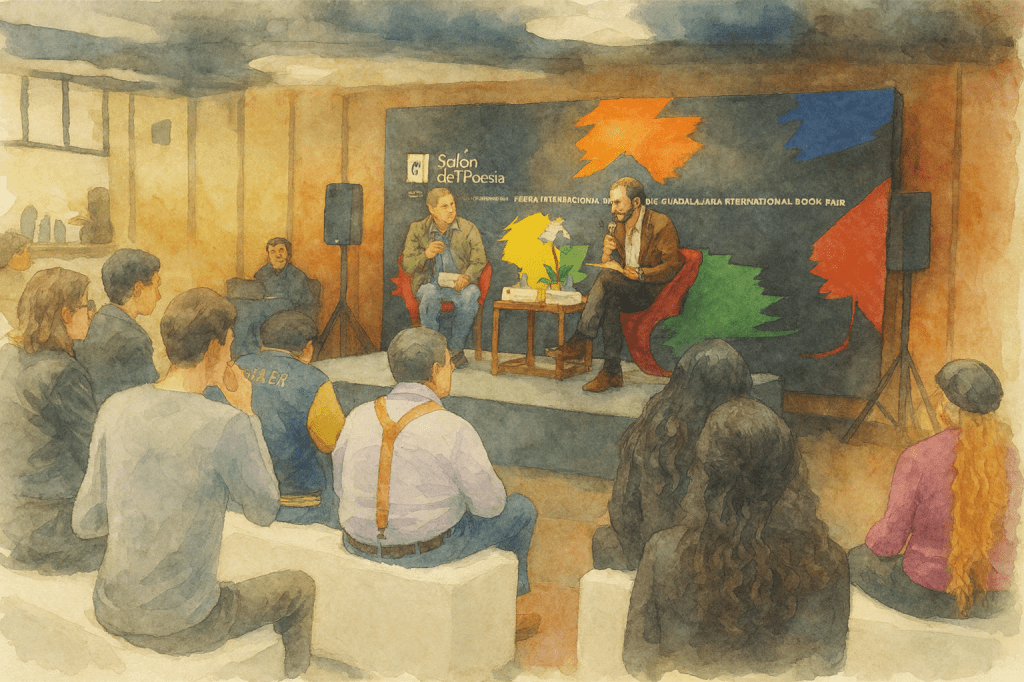
Sus poemas fueron presentados en el Salón de la Poesía en la FIL Guadalajara, considerada la feria editorial más grande de Iberoamérica, en diciembre de 2025

PEQUEÑOS CADÁVERES

Éste es el tiempo de los cadáveres. No tienes que decir nada. Sólo tienes que mirar en cualquier dirección y verás otro cadáver, un cadáver sin nombre porque no le dieron tiempo suficiente para que su nombre se pegara en él, un cadáver neutral porque no le dieron tiempo suficiente para pensar en lo que pasó, un cadáver muy pequeño, como un bulto preparado deprisa para partir.

¿Y hacia dónde parten los pequeños cadáveres?

La vida real sucede en las ciudades, en los mercados, en aceras reparadas, en calles preparadas para los turistas. Los cadáveres pequeños atraviesan una multitud invisible. Los cadáveres pequeños se agarran de la mano para no perderse. Cadáveres pequeños que no duermen. Continúan marchando entre ciudades, por continentes, por bosques. Y cada vez que nace un nuevo cadáver, encuentra una mano pequeña que lo guía con los ojos cerrados.

Poema original de Amed Abu Hawwash. Traducción del árabe: María Luisa Prieto/ Fotografías de Lunnático (Editadas)

By Armida Reed

Samer Abu Hawwash is a Palestinian poet and translator known for his lyrical quality, and his work is seen as a bridge between cultures. He was born in Lebano into a Palestinian refugee family in 1972. He lived and worked in the United Arab Emirates, where he specialized in American poetry and English-language fiction, translating works by authors such as Marilynne Robinson, Charles Bukowski, Langston Hughes, Jack Kerouac, and Hanif Kureishi.

Hawwash has published around ten volumes of poetry, beginning with his debut collection Life is Printed in New York, 1997, and later, I Will Kill You, Death, 2012, Last Selfie with a Dying World, 2015, Happiness or a Series of Explosions That Rocked the Capital, 2007, This Is Not How Pizza Is Made, 2016, and Ruins, 2024.

His poetry addresses themes such as exile, identity, memory, childhood and resistance. His style is intimate, direct and deeply human. Banipal magazine dedicated a special issue to him in Spanish, publishing his collection of poems From the river to the sea, translated by María Luisa Prieto.

His poems were presented at the Poetry Hall at the FIL Guadalajara, considered the largest publishing fair in Latin America, in December 2025

SMALL CORPSES

This is the time of corpses. You don’t have to say anything. You just have to look in any direction and you’ll see another corpse, a nameless corpse because they didn’t give it enough time for its name to stick to it, a neutral corpse because they didn’t give it enough time to think about what happened, a very small corpse, like a bundle hastily prepared to go.

And where do the small corpses go?

Real life happens in cities, in markets, on repaired sidewalks, on streets prepared for tourists. Small corpses pass through an invisible crowd. The small corpses hold hands so as not to get lost. Small corpses that do not sleep. They continue marching between cities, across continents, through forests. And every time a new corpse is born, it finds a small hand that guides it with its eyes closed.

Original poem by Amed Abu Hawwash. Translation from English: Armida Reed – Images by Lunnático (Edited)

THE MAZE OUTSIDE – El laberinto afuera – Il Labirinto Fuori

By Rio Cruz

I walk in circles the path to your heart

time’s a labyrinth with no exit

only I know where the center is

I know where to find heart

I just don’t know how to get back

to real life

real life

.

I see the way out now:

only I know how to return

and I walk in circles

the path of sanity

to the outside world,

the outside world

.

I don’t know how long

this path is

when it ends

but hope I don’t get lost

so as not to lose you

again and again

in the maze outside

the maze outside

.

Now I don’t remember how to get back

to your heart

to your heart,

and don’t want to get trapped

in your labyrinth

in your labyrinth

.

I want to make sure

if I go to the middle

if I go to to the center

to find heart,

I’m not going to get trapped

in a labyrinth of madness

in a labyrinth of time

a labyrinth of time

——

Poem musicalized in Suno with Lyrics by Rio Cruz


Por Rio Cruz

Camino en círculos el sendero a tu corazón

el tiempo es un laberinto sin salida

yo sé dónde está el centro

yo sé dónde encontrar el corazón

sólo no sé cómo volver

a la vida real

la vida real

.

Ya veo la salida

sólo yo sé cómo regresar

y luego camino en círculos

camino en círculos

el sendero de la cordura

del mundo exterior

el mundo exterior

.

Simplemente no sé cuanto tiempo

este camino es

cuando termina

pero espero no perderme

para no perderte

una y otra vez,

en el laberinto afuera,

el laberinto afuera

.

Ahora no recuerdo cómo volver

a tu corazón

a tu corazón,

y no quiero quedar atrapada

en tu laberinto,

en tu laberinto

.

Quiero asegurarme que si voy al centro

si voy al centro

para encontrar el corazón,

no voy a quedar atrapada

en un laberinto de locura,

en un laberinto de tiempo

un laberinto de tiempo

Traducción: Mar Martínez Leonard

———–

Poema musicalizado en Suno con Letra de Rio Cruz

Di Rio Cruz

Percorro in tondo il sentiero verso il tuo cuore

il tempo è un labirinto senza uscita

solo io so dov’è il centro

so dove trovare il cuore

è solo che non so come tornare indietro

alla vita reale

la vita reale

.

Adesso vedo la via d’uscita:

solo io so come ritornare

e cammino in tondo

la via della sanità mentale

al mondo esterno,

il mondo esterno

.

Non so per quanto tempo

questo percorso è

quando finisce

ma spero di non perdermi

per non perderti

ancora e ancora

nel labirinto fuori

il labirinto fuori

.

Ora non ricordo come tornare indietro

al tuo cuore

al tuo cuore,

e non voglio rimanere intrappolata

nel tuo labirinto

nel tuo labirinto

.

Voglio essere sicura

che se vado al centro

se vado al centro

per trovare il cuore,

non rimarrò intrappolata

in un labirinto di follia

in un labirinto di tempo

un labirinto di tempo

Traduzione: Mar Martinez Leonard


Poesia musicalizzata in suno con Testi di Rio Cruz


All images created using WordPress / Todas las imágenes creadas usando WordPress / Tutte le immagini create utilizzando WordPress

Pájaro con alas abiertas-BIRD WITH OPEN WINGS

Por Armida Reed

Abres las alas

y son de colores,

te dejo partir.

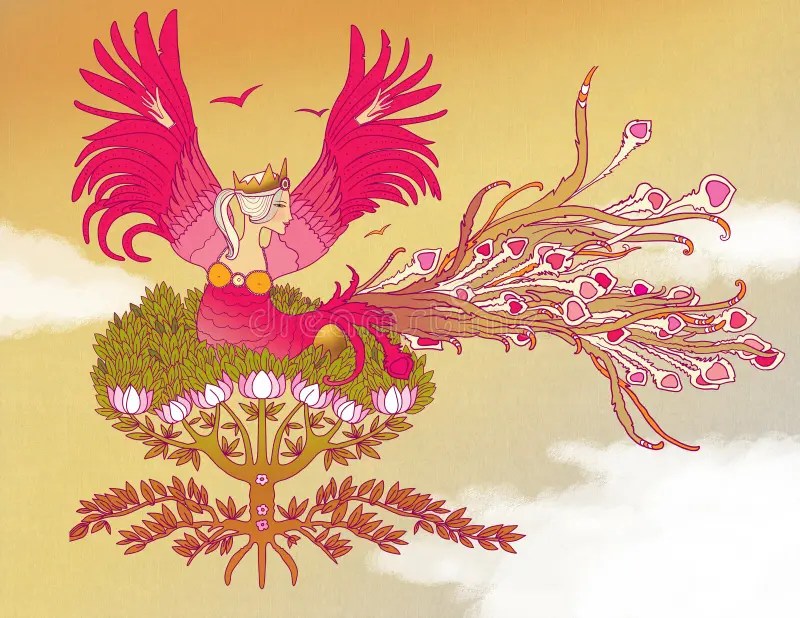
(1) Fotografía de David Hemmings (2) Alas abiertas de pájaro hembra por Julia Belova

By Armida Reed

You open your wings

and they are colorful,

I let you go.

Author’s translation

(1) Photo by David Hemmings (2) Female bird open wings by Julia Belova

TODOS CONTRA UNO – All Against One

Por Mar Martínez Leonard

Entró en la habitación oscura casi sin hacer ruido y se dirigió hacia la cama. Estaba a medio hacer, pero tenía sábanas limpias. Se tumbó en ella. No encendió la luz de la mesita. Cualquier sonido de los vecinos o de la calle le hacía estar alerta. No había sido culpa suya. Uno de los hombres de don Jacinto intentó arrancarle a ese bebé de los brazos en plena plaza, y fue por eso que le empujó. Y es que Martín, contrariamente a las antiguas reglas de la servidumbre, creía de corazón que el cuidado de un infante correspondía a sus padres. Seguidamente, había entregado el bebé a la madre, quien era además su única amiga desde que se había mudado al pueblo. Después, a la entrada de su casa, no había visto la inscripción «Villa Bella», y la había encontrado en el suelo partida en dos. Eso no había sido obra de los hombres de don Jacinto, simplemente no habían tenido tiempo de cruzar el esparragal. Pero el pueblo era tan pequeño que las malas noticias volaban entre sus casas adosadas picoteando la frente y las ideas de algunos aldeanos curtidos por el miedo y la costumbre: el boca a boca había funcionado en minutos. Ya no podría entrar en casa como quien entra en un refugio seguro. Aún así, la suavidad fresca de las sábanas y el recuerdo de sentirse protegido eran tan reconfortantes que se durmió.

Fue todo muy rápido y eficaz. Lo único que realmente le dolió fue la puñalada en el estómago. Sobre todo, notaba que se le estaba yendo la vida por esa herida. Luego perdió el conocimiento y, cuando despertó, se sentía muy débil y estaba tumbado boca abajo sobre algo que debía ser una planta espinosa. Después vio a aquel niño hijo del arriero y sintió una patada en la espalda. Pidió auxilio y el niño corrió asustado. En seguida, volvieron los hombres de don Jacinto, y esta vez, su verdugo le pidió disculpas antes de apuñalarlo: «Mira, que yo no tengo ná contra ti. Que yo soy un mandao.»

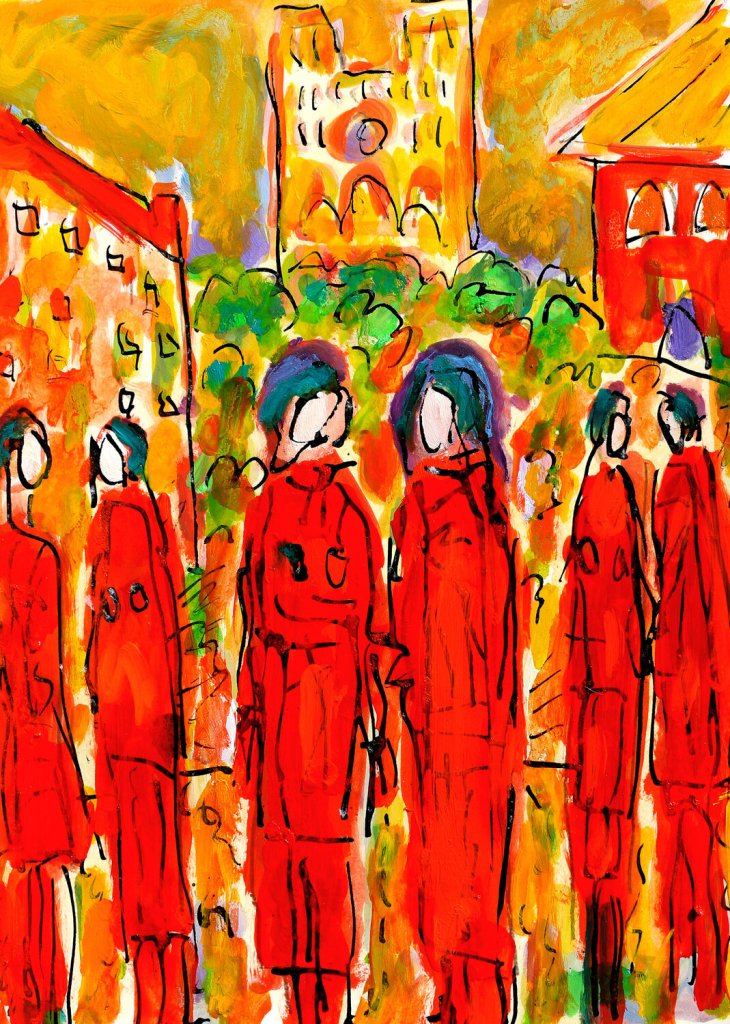
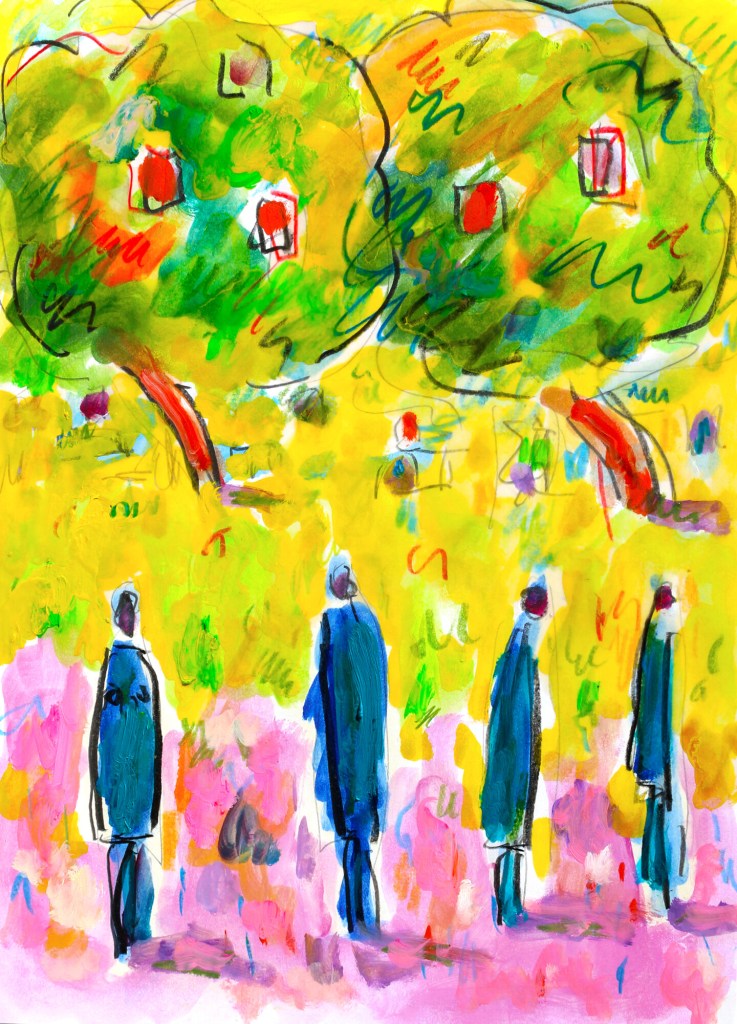
Imágenes: (1) Servitud moral, óleo y tinta china sobre papel, de Jean Mirre https://www.singulart.com/es/obras-de-arte/jean-mirre-servitude-morale-1787417 (2) Sonámbulos, Óleo, Lápiz de color en Papel, de Jean Mirre https://www.singulart.com/es/obras-de-arte/jean-mirre-somnambules-1782287

By Mar Martínez Leonard

He walked into the dark room almost silently and headed towards the bed. It was half done, but had clean sheets. He lay on it. He didn’t turn on the light of the night table. Any sound from neighbors or the street made him be alert. It wasn’t his fault. One of Don Jacinto’s men tried to tear that baby from his arms in the middle of the square, and that’s why he pushed him. The thing was that Martin, contrary to the ancient rules of servitude, believed from his heart that the care of an infant corresponded to their parents. He had then given the baby to the mother, who was also his only friend since he moved to the village. Then, at the entrance of his house, he had not seen the inscription «Villa Bella», and had found it on the ground split in two. That had not been the work of Don Jacinto’s men, they simply had not had time to cross the asparagus fern and do it. But the village was so small that the bad news flew between the terraced houses pecking at the forehead and the ideas of some villagers hardened by fear and custom: word of mouth had worked in minutes. He could no longer enter the house as one who enters a safe haven. Still, the fresh softness of the sheets and the memory of feeling protected were so comforting that he fell asleep.

It was all very fast and efficient. The only thing that really hurt him was the stab in the stomach. Above all, he felt that his life was going away through that wound. Then he lost consciousness, and by the time he woke up, he was feeling very weak, and he was lying face down on something that felt like a thorny plant. Later he saw that boy, the son of the muleteer, and felt a kick in the back. He asked for help, and the boy ran scared. Immediately after, Don Jacinto’s men returned, and this time, the headsman apologized before stabbing him: «Look, I have nothing against you. I am an errand runner».

Images: (1) Moral servitude, oil and India ink on paper, by Jean Mirre https://www.singulart.com/es/obras-de-arte/jean-mirre-servitude-morale-1787417 (2) Somnambules, Oil, Colored Pencil on Paper , by Jean Mirre https://www.singulart.com/es/obras-de-arte/jean-mirre-somnambules-1782287