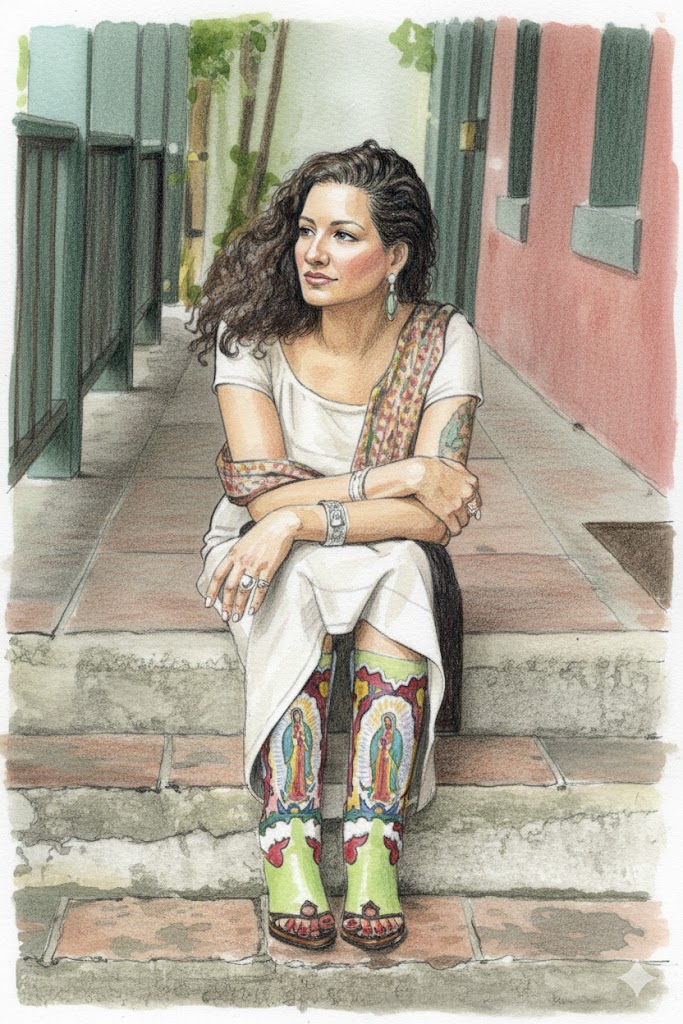
DICEN LOS POETAS – The Poets Say – Dicono i poeti

Por Felicidad Batista

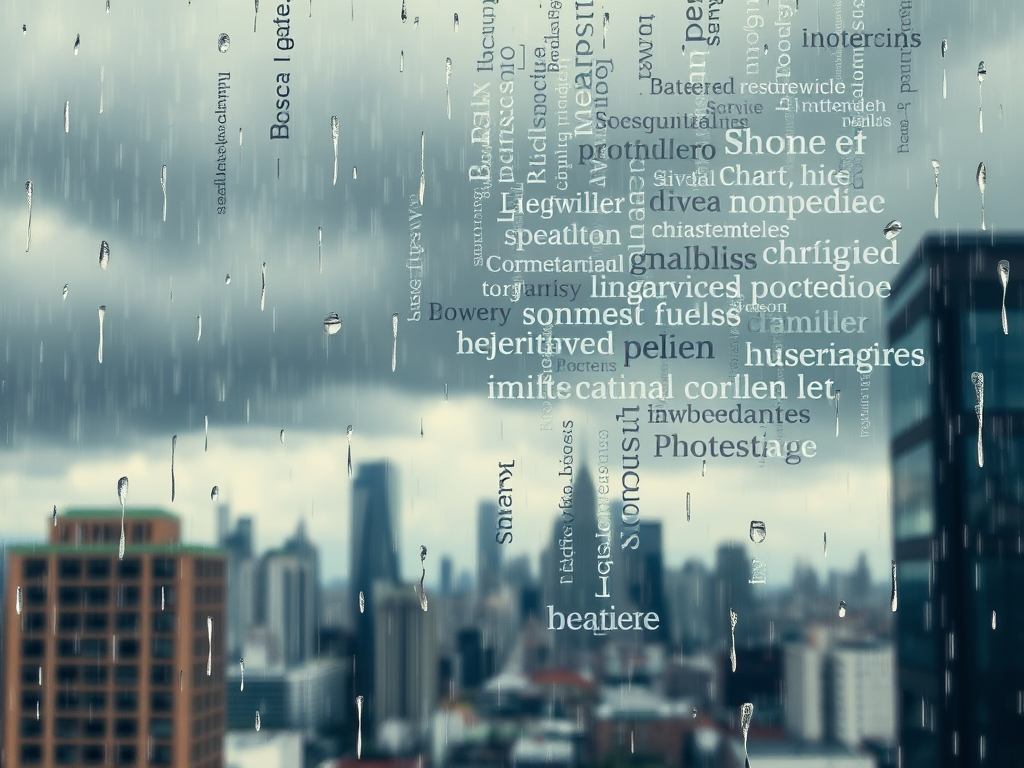
Dicen los poetas

que la lluvia es llanto

 y el llanto tristeza

y la tristeza

viene del tiempo de la felicidad

.

Dicen los poetas

que los silencios

son palabras errantes

en las llanuras del viento

y bucean en océanos del alma

.

Dicen los poetas

que sus versos son trazos,

luz y color de lienzo,

temblor de bermellones, cadmio,

paisajes arrebolados

.

Dicen los poetas

que la mar esconde respuestas.

.

Y las olas murmullan,

 se acercan, se alejan;

se alejan y se acercan

.

Y la orilla olvida

las huellas que incesante borra

———————-

Biografía breve

Escritora y narradora nacida en Arafo, Tenerife. Licenciada en Geografía e Historia con especialidad en Historia del Arte. Autora de la novela Finis Mare y de los libros de relatos Cine en cortos, Por las calles de la vida, Relatos de la Patagonia y Los espejos que se miran. Ha participado en más de setenta antologías y colaborado en radio, prensa y revistas literarias de España y América Latina. Su actividad ha sido declarada de Interés Cultural en Mar del Plata (Argentina) y forma parte de la Biblioteca y Audioteca de Canarias.

Reconocida con numerosos premios internacionales de microrrelato, cuento y poesía en Argentina, Chile, España y México, entre ellos el Primer Premio Letras de Iberoamérica (2025). Ha presidido la Asociación Cultural Canaria de Escritores/as y dirigido la colección Teide. Ha sido jurado en certámenes literarios, viajera cultural en varios países y su obra se encuentra presente en espacios públicos como el Hotel Occidental Contemporáneo de Santa Cruz de Tenerife.

Felicidad Batista ha participado en diversas actividades de la Feria Internacional del Libro (FIL) de Guadalajara en su edición 2025.

Más poemas de Felicidad Batista: Siete poemas de Felicidad Batista

By Felicidad Batista

The poets say

that the rain is crying

 crying sadness,

that sadness

comes from the time of happiness

.

The poets say

that the silences

are errant words

on the plains of the wind

and they dive into oceans of the soul

.

The poets say

that their verses are strokes,

light and color of canvas,

quaking of vermillions, cadmium,

redden landscapes

.

The poets say

that the sea hides answers

.

And the waves murmur,

 they approach, they move away;

they move away and they approach

.

And the shore forgets

the traces it incessantly erases

—————–

Brief Bio

Writer and narrator born in Arafo, Tenerife. She graduated in Geography and History with a specialty in Art History. Author of the novel Finis Mare and the short story books Cinema in Shorts, Through the Streets of Life, Stories from Patagonia and The Mirrors That Look at each other. She has participated in more than seventy anthologies and collaborated on radio, press and literary magazines in Spain and Latin America. Her activity has been declared of Cultural Interest in Mar del Plata (Argentina) and her work is part of the Library and Audio Library of the Canary Islands.

Recognized with numerous international awards for short stories and poetry in Argentina, Chile, Spain and Mexico, including the First Prize for Literature in Ibero-America (2025). She has chaired the Canarian Cultural Association of Writers and directed the Teide collection. She has been a juror in literary competitions, a cultural traveler in several countries and her work is present in public spaces such as the Hotel Occidental Contemporáneo in Santa Cruz de Tenerife.

Felicidad Batista has participated in various activities of the Guadalajara International Book Fair (FIL) in its 2025 edition.

More poems by Felicidad Batista (in Spanish): Siete poemas de Felicidad Batista/

Translated from Spanish by Mar Martínez

Di Felicidad Batista

Dicono i poeti

quella pioggia piange

 e piange tristezza

e quella tristezza

viene dal tempo della felicità

.

Dicono i poeti

che i silenzi

sono parole erranti

sulle pianure del vento

e si immerseno negli oceani dell’anima

.

Dicono i poeti

che i loro versi sono colpi,

luce e colore della tela,

tremore di vermigli, di cadmio,

paesaggi arrossati

.

Dicono i poeti

che il mare nasconde risposte

.

E le onde mormorano,

 si avvicinano, si allontanano;

si allontanano e si avvicinano

.

E la riva dimentica

le tracce che incessantemente cancella

—————————-


Breve biografia

Scrittore e narratore nata ad Arafo, Tenerife. Laureata in Geografia e Storia con specializzazione in Storia dell’Arte. Autore del romanzo Finis Mare e dei libri di racconti Cinema in cortometraggi, Per le strade della vita, Storie dalla Patagonia e Gli specchi che si guardano. Ha partecipato a più di settanta antologie e collaborato con radio, stampa e riviste letterarie in Spagna e America Latina. La sua attività è stata dichiarata di Interesse Culturale a Mar del Plata (Argentina) e fa parte della Biblioteca e Audioteca delle Isole Canarie.

Riconosciuta con numerosi premi internazionali per racconti e poesia in Argentina, Cile, Spagna e Messico, tra cui il Primo Premio per la Letteratura in Ibero-America (2025). Ha presieduto l’Associazione Culturale degli Scrittori delle Canarie e ha diretto la collezione del Teide. È stata giurata in concorsi letterari, viaggiatrice culturale in diversi paesi e il suo lavoro è presente in spazi pubblici come l’Hotel Occidental Contemporáneo a Santa Cruz de Tenerife.

Felicidad Batista ha partecipato a varie attività della Fiera Internazionale del Libro di Guadalajara (FIL) nella sua edizione 2025.

……………………………………..

Tradutto dallo spagnolo da Mar Martínez

SAMER ABU HAWWASH: VERSOS PARA DESAFIAR EL SILENCIO/ Samer Abu Hawwash: Verses To Defy Silence

Por Armida Reed

Samer Abu Hawwash es un poeta y traductor palestino conocido por su obra lírica y su labor como puente entre culturas. Nació en Líbano en 1972 en el seno de una familia refugiada palestina. Residió y trabajó en Emiratos Árabes Unidos, donde se especializó en poesía estadounidense y ficción en lengua inglesa, traduciendo obras de autores como Marilynne Robinson, Charles Bukowski, Langston Hughes, Jack Kerouac y Hanif Kureishi.

Ha publicado alrededor de diez volúmenes de poesía, siendo su colección debut La vida se imprime en Nueva York, 1997, y posteriormente Te mataré, muerte, 2012, Último selfie con un mundo moribundo, 2015, Felicidad o una serie de explosiones que sacudieron la capital, 2007, Así no se hace la pizza, 2016, y Ruinas, 2024.

Su poesía aborda temas como el exilio, la identidad, la memoria, la infancia y la resistencia. Su estilo es íntimo, directo y profundamente humano. Recientemente la revista Banipal le dedicó un número especial en español, publicando su poemario Desde el río hasta el mar, traducido por María Luisa Prieto.

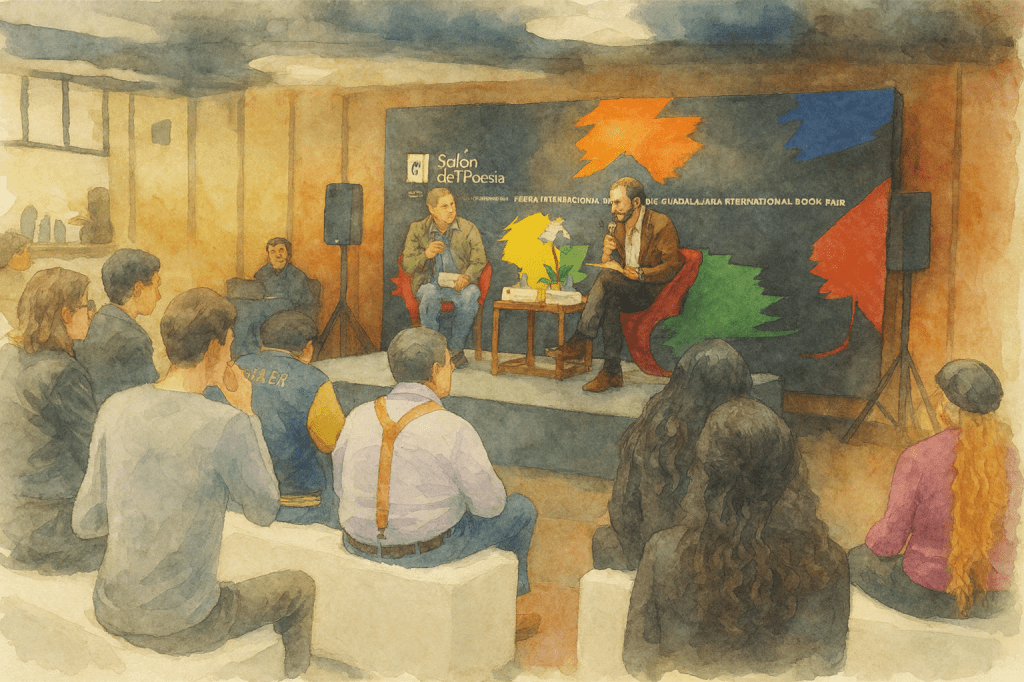
Sus poemas fueron presentados en el Salón de la Poesía en la FIL Guadalajara, considerada la feria editorial más grande de Iberoamérica, en diciembre de 2025

PEQUEÑOS CADÁVERES

Éste es el tiempo de los cadáveres. No tienes que decir nada. Sólo tienes que mirar en cualquier dirección y verás otro cadáver, un cadáver sin nombre porque no le dieron tiempo suficiente para que su nombre se pegara en él, un cadáver neutral porque no le dieron tiempo suficiente para pensar en lo que pasó, un cadáver muy pequeño, como un bulto preparado deprisa para partir.

¿Y hacia dónde parten los pequeños cadáveres?

La vida real sucede en las ciudades, en los mercados, en aceras reparadas, en calles preparadas para los turistas. Los cadáveres pequeños atraviesan una multitud invisible. Los cadáveres pequeños se agarran de la mano para no perderse. Cadáveres pequeños que no duermen. Continúan marchando entre ciudades, por continentes, por bosques. Y cada vez que nace un nuevo cadáver, encuentra una mano pequeña que lo guía con los ojos cerrados.

Poema original de Amed Abu Hawwash. Traducción del árabe: María Luisa Prieto/ Fotografías de Lunnático (Editadas)

By Armida Reed

Samer Abu Hawwash is a Palestinian poet and translator known for his lyrical quality, and his work is seen as a bridge between cultures. He was born in Lebano into a Palestinian refugee family in 1972. He lived and worked in the United Arab Emirates, where he specialized in American poetry and English-language fiction, translating works by authors such as Marilynne Robinson, Charles Bukowski, Langston Hughes, Jack Kerouac, and Hanif Kureishi.

Hawwash has published around ten volumes of poetry, beginning with his debut collection Life is Printed in New York, 1997, and later, I Will Kill You, Death, 2012, Last Selfie with a Dying World, 2015, Happiness or a Series of Explosions That Rocked the Capital, 2007, This Is Not How Pizza Is Made, 2016, and Ruins, 2024.

His poetry addresses themes such as exile, identity, memory, childhood and resistance. His style is intimate, direct and deeply human. Banipal magazine dedicated a special issue to him in Spanish, publishing his collection of poems From the river to the sea, translated by María Luisa Prieto.

His poems were presented at the Poetry Hall at the FIL Guadalajara, considered the largest publishing fair in Latin America, in December 2025

SMALL CORPSES

This is the time of corpses. You don’t have to say anything. You just have to look in any direction and you’ll see another corpse, a nameless corpse because they didn’t give it enough time for its name to stick to it, a neutral corpse because they didn’t give it enough time to think about what happened, a very small corpse, like a bundle hastily prepared to go.

And where do the small corpses go?

Real life happens in cities, in markets, on repaired sidewalks, on streets prepared for tourists. Small corpses pass through an invisible crowd. The small corpses hold hands so as not to get lost. Small corpses that do not sleep. They continue marching between cities, across continents, through forests. And every time a new corpse is born, it finds a small hand that guides it with its eyes closed.

Original poem by Amed Abu Hawwash. Translation from English: Armida Reed – Images by Lunnático (Edited)

SIEMPRE ME RECORDARÁS — You Will Always Remember Me

Por Berónica Palacios

La atmósfera de la fiesta destellaba bullicio. Videos en la pantalla de plasma y tu celular recibiendo felicitaciones. La neblina escurridiza del cigarrillo penetrará en las conversaciones y la inquietud por escucharlos llegará. Entonces Dionisio, como toro en ruedo, portará un libro. Ante el coro implacable, destaparás el envoltorio y leerás el título en voz alta Veinte poemas de amor y una canción desesperada. Todas las voces reirán con sarcasmo. Tu amigo tomará su inseparable requinto y dirá: «Tienes que seguir aprendiendo a tocar la guitarra además de aprenderte el cancionero de Luis Miguel y Pedro Infante, con eso la tendrás idiotizada». El concierto de carcajadas resonará en el edificio. Luis te recomendará varias páginas de internet para cocinar postres y cosas sencillas… Mientras las carcajadas persisten una voz varonil gritará: «¡Saaaluuud!»… El desasosiego de tu interior crecerá frente al espejo de tu fanfarronería. Recordarás las atenciones de los futuros suegros halagando: caballerosidad y porte siempre apuesto. Sólo faltan unas semanas para la boda y nunca has estado con una mujer. Sentirás que un nudo aprieta tu garganta. Pasará algo anormal, callarán. Dionisio y Saúl vendarán tus ojos, en medio de las tinieblas escucharás barullo y percibirás un perfume femenino. Al ritmo de la música recuperarás la luz para contemplar una emorme caja de regalo. Los aplausos y el estribillo para que abras su contenido serán implacables; entonces, el regalo se abrirá solo dejando sus cuatro paredes besando el piso… Todo se verá como un sueño a media luz y el humo del cigarrillo formará una neblina azulosa, la cual será tan real como tu nerviosismo. Su blusa dejará al descubierto piel trigueña y un bello ombligo… Tu cuerpo servirá de asiento a la criatura enigmática, que nunca habías visto en persona, sólo en fotos y películas. Esta noche será trascendental. Ella, incomparable experta, te incitará a gozar de ese placer desconocido. Te envolverás en una pasión exquisita; porque entre besos excitantes te mirarás en sus ojos y ella te susurrará con voz queda: «Siempre me recordarás».

Fragmento de El Sueño y Otros Cuentos, disponible en FIL Guadalajara 2025, Prometeo Editores, contacto colaboracionespapalotzi@gmail.com

By Berónica Palacios

The atmosphere sparkled bustle. Videos on the plasma screen and your cell phone receiving congratulations. The elusive haze of the cigarette will penetrate the conversations and the anxiety to listen to them will arrive. Then Dionysus, like a bull in the ring, will carry a book. Before the relentless chorus, you will uncover the packaging and read the title aloud. Twenty Love Poems and a Song of Despair. All voices will laugh sarcastically. Your friend will take his inseparable requinto guitar and say: «You have to continue learning to play the guitar in addition to learning the Luis Miguel and Pedro Infante songbook, with that you will have her idiotic.» The concert of laughter will echo through the building. Luis will recommend several internet pages to cook desserts and simple things… While the laughter persists a manly voice will shout: «Cheeers!»… The restlessness inside you will grow in front of the mirror of your boasting. You will remember the flattering attentions of the future in-laws: chivalry and always handsome bearing. The wedding is only a few weeks away and you’ve never been with a woman. You will feel a lump tightening in your throat. Something abnormal will happen, they will remain silent. Dionisio and Saúl will blindfold your eyes, in the midst of darkness you will hear noise and perceive a feminine perfume. To the rhythm of the music you will recover the light to contemplate an amazing gift box. The applause and the chorus for you to open its content will be relentless; then, the gift will open on its own, leaving its four walls kissing the floor… Everything will look like a dream in half-light and the cigarette smoke will form a bluish haze, which will be as real as your nervousness. Her blouse will reveal brown skin and a beautiful navel… Your body will serve as a seat for the enigmatic creature, which you have never seen in person, only in photos and movies. Tonight will be transcendental. She, an incomparable expert, will encourage you to enjoy that unknown pleasure. You will be enveloped in an exquisite passion, because between exciting kisses you will look into her eyes and she will whisper to you in a quiet voice: «You will always remember me.»

Fragment of The Dream and Other Stories, available at Book Fair Guadalajara 2025, Prometeo Editores, contact colaboracionespapalotzi@gmail.com

Translated from Spanish by Mar Martínez

Halyna Kruk: Cuando la poesía se alza como bambú – HALYNA KRUK: WHEN POETRY RISES LIKE BAMBOO

Por Mar Martínez Leonard

Nacida en Leópolis, Ucrania, es doctora en literatura ucraniana y profesora de estudios literarios. Su investigación se centra en la literatura medieval.

En su poemario Curso intensivo en cócteles molotov (A Crash Course in Molotov Cocktails) encontró las herramientas poéticas para digerir la violencia y el horror de la guerra. Su poesía es estratificada, de un lirismo introspectivo. Tanto el poemario original como su traducción al inglés, de Amelia Glaser y Yuliya Ilchuk, han sido finalistas de varios premios literarios.

Perderse en la Vida (Lost in Living) presenta el trabajo inédito de los años inmediatamente anteriores a la invasión, cuando la vida en Ucrania estaba marcada por la agitación pero la guerra a gran escala aún no se había normalizado. Ha traducido obras de otros escritores del polaco al ucraniano y ha publicado literatura para niños. Kruk participará en el Salón de Poesía de FIL Guadalajara 2025 los días 2 y 3 de diciembre.

nuestro refrigerador desconectado

te amo desde todos los lugares.

todavía hay mucho territorio por explorar,

puedes seguir y seguir, hasta que tu frente choque

con los imanes del refrigerador,

traídos de varios países: no estuvimos juntos aquí, ni allá,

y te envié fotos y textos desde aquí, y te llamé desde allá,

un paisaje espectacular, una nutria de dientes amarillos, un bosque de bambú

que solo se alzaba y se alzaba, cuidando la Tierra,

entonces un día empezó a crecer y se elevó muy alto.

la lista de las ciudades que tenemos que ver

cuando todo esto termine se ha vuelto tan larga

que me pregunto al alba en un país extranjero,

en algún hotel, desde una cama incómoda:

¿nos quedará suficiente vida para ver toda la lista?

¿tendremos suficiente espacio en la cabeza

para todo este extraño crecimiento?

¿tendremos suficiente fuerza para todo esto?

«hay algo de lo que no tienes que preocuparte,» bromeas,
«que cuando ya no tengamos más espacio para imanes,
compremos un refrigerador más grande.»

te amo desde todos los lugares.

vuelvo a ti desde cualquier lugar, como un imán

Traducción del inglés: Mar Martínez, poema original de Halyna Kruk, traducción ucraniano-inglés de Amelia Glaser y Yuliya Ilchuk

Imágenes tomadas de https://chytomo.com/en/halyna-kruk-poetry-goes-through-restrictions-on-sense-sensibility/ (editadas)

By Mar Martínez Leonard

Born in Lviv, Ukraine, she holds a doctorate in Ukrainian literature, is a professor of literary studies, and her research focuses on medieval literature.

In her poetry collection A Crash Course in Molotov Cocktails, she found the poetic tools to process the violence and horror of war. Her poetry is layered, with an introspective lyricism. Both the original collection and its English translation by Amelia Glaser and Yuliya Ilchuk have been finalists for several literary awards.

Lost in Living presents previously unpublished work from the years immediately preceding the invasion, when life in Ukraine was marked by turmoil but full-scale warfare had not yet become the norm. She has translated works by other writers from Polish into Ukrainian and has published children’s literature. Kruk will participate in the Poetry Salon of FIL Guadalajara 2025 on December 2nd and 3rd.

our unplugged refrigerator

i love you from all the places.

there’s still a lot of uncharted territory,

you can go on and on, until your forehead hits

the refrigerator magnets,

brought from various countries: we weren’t together here, or there,

and i sent pictures and texts from here, and i called you from there,

a spectacular landscape, a yellow-toothed otter, a bamboo forest

that just stood and stood, guarding the earth,

then one day it began to grow, and shot way up overhead.

the list of cities we must see

when all this is over has grown so long

that i ask myself at dawn in a foreign country,

in some hotel, in an uncomfortable bed:

will we have enough life left for the whole list?

will we have enough headspace

for all that freakish growth?

will we have enough strength for it all?

«there’s one thing you don’t have to worry about,» you joke,
«if we run out of space for magnets,
we’ll buy a bigger refrigerator.»

i love you from all the places.

i return to you from everywhere, like a magnet

Translation from the Ukrainian by Amelia Glaser & Yuliya Ilchuck, written by Halyna Kruk

Images taken from https://chytomo.com/en/halyna-kruk-poetry-goes-through-restrictions-on-sense-sensibility/ (edited)

SANDRA CISNEROS: LA ESCRITORA QUE CAMBIÓ LAS LETRAS ESTADOUNIDENSES – Sandra Cisneros: The Writer that Changed U.S. Literature

Por Mar Martínez Leonard

En una nación de inmigrantes, a menudo conocemos la vida de otros a través de historias, y en la historia de la literatura estadounidense, pocas escritoras han capturado la energía de la comunidad chicana mejor que Sandra Cisneros, primera mujer estadounidense-mexicana en ser publicada por una gran editorial.

Cisneros nació en Chicago en 1954. Sus padres, ambos mexicanos, llevaban con frecuencia a la familia a su país de origen a conocer su herencia. Desde niña fue una lectora voraz, aunque veía un problema en los libros que leía, ya que no reflejaban el mundo que ella conocía.

Escribió su primer poema a los diez años, fue editora de la revista literaria de su escuela secundaria y se graduó en arte por la Universidad de Loyola. Pero fue durante un seminario de escritura cuando se dio cuenta de que si escribía sus propias experiencias, sus escritos serían únicos y traerían una voz nueva a la literatura estadounidense.

Ya su primer libro de poesía Bad Boys (Chicos Malos) rompió con el estándar al utilizar slang chicano. The House on Mango Street (La casa en Mango Street), su novela debut, invitó a los lectores a conocer la vida de una familia chicana que vivía y trabajaba en Chicago. En ella, la protagonista, Esperanza Cordero, narra en su propia voz su viaje de transición a la adultez, en el que va perdiendo la inocencia cuando se enfrenta al abuso y la discriminación. Esta novela es reconocida ahora como un clásico de la literatura hispano-estadounidense y ha vendido millones de copias. Otras de sus obras en prosa son Caramelo y El arroyo de la llorona.

Cisneros vive actualmente en San Miguel de Allende, México, y se espera que participe en el Salón de Poesía de la Feria Internacional del Libro de Guadalajara 2025, el próximo 4 de diciembre, y en la Noche de Poesía Expandida el 5 de diciembre.

By Mar Martínez Leonard

In a nation of immigrants, we often learn about the lives of others through stories, and in the history of American literature, few writers have captured the energy of the Chicano community better than Sandra Cisneros, the first Mexican-American woman being published by a major publishing house.

Cisneros was born in Chicago in 1954. Her parents, both Mexican, often took the family to their home country to learn about their heritage. Since she was a child, she was a voracious reader, but she saw a problem in the books she read, because they did not reflect the world she knew.

She wrote her first poem at age ten, was editor of her high school’s literary magazine and graduated with a degree in arts from Loyola University. But it was during a writing seminar when she realized that if she wrote about her own experiences, her writing would be unique and would bring a new voice to American literature.

Her first book of poetry, Bad Boys, broke with the standard by using Chicano slang. The House on Mango Street, her debut novel, invited readers to learn about the life of a Chicano family living and working in Chicago. In it, the main character, Esperanza Cordero, narrates in her own voice her journey of transition to adulthood, in which she loses her innocence when she faces abuse and discrimination. This novel is now recognized as a classic of Hispanic-American literature and has already sold millions of copies. Other of her prose works are Caramelo and Woman Hollering Creek.

Cisneros currently lives in San Miguel de Allende, Mexico, and she is expected to participate in the Poetry Salon of the Guadalajara International Book Fair 2025, on December 4, as well as in the Expanded Poetry Night on December 5.

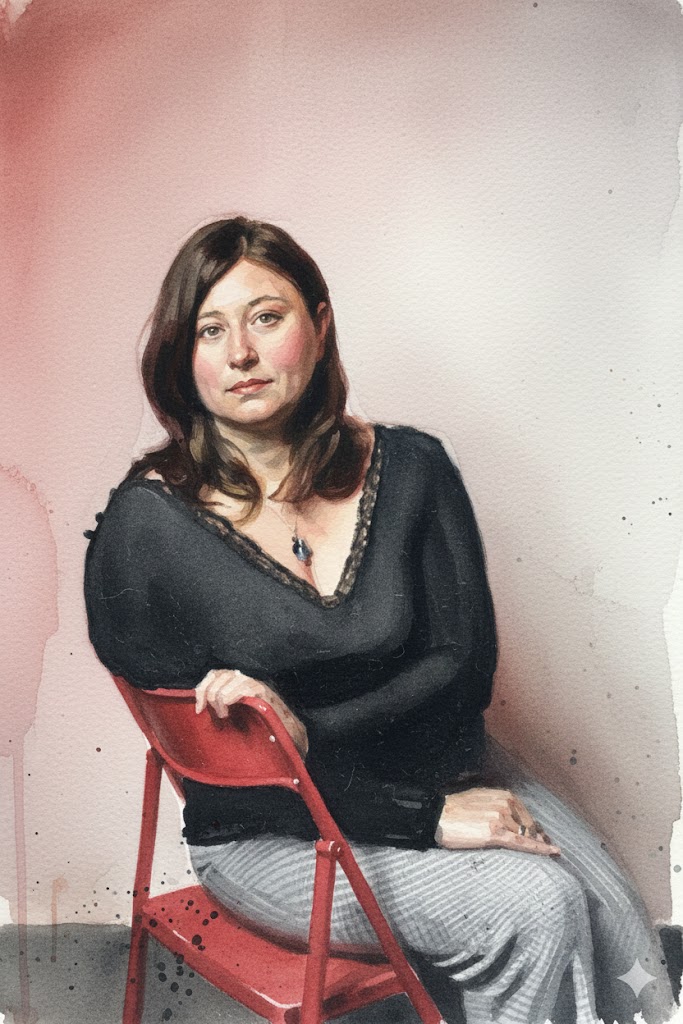
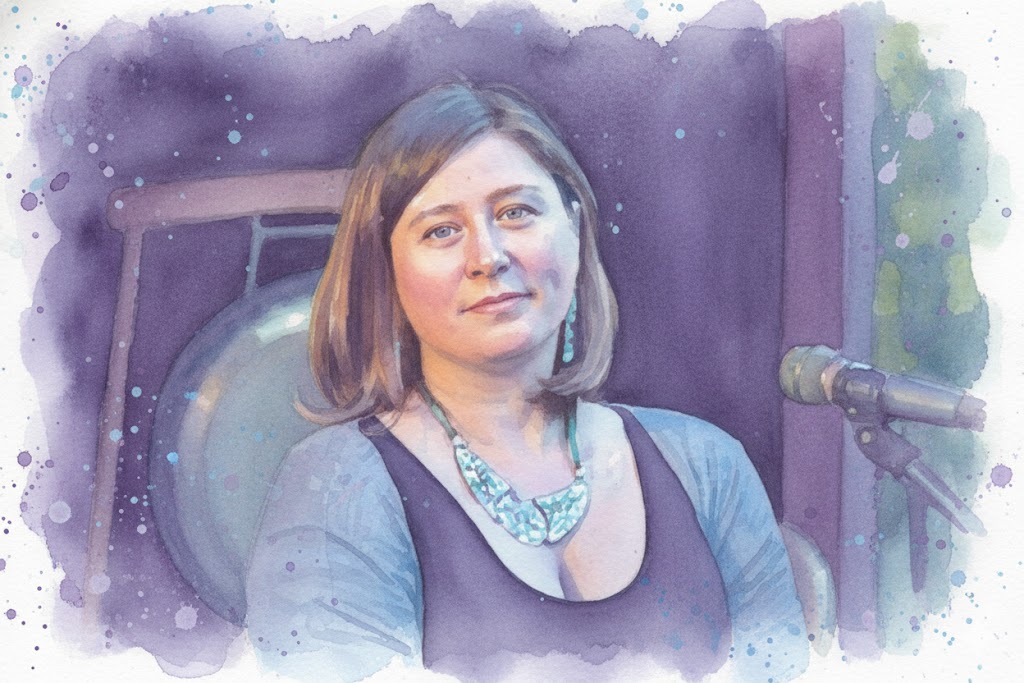
Imagen superior tomada de https://www.womenshistory.org/education-resources/biographies/sandra-cisneros (editada) Imagen inferior tomada de https://www.britannica.com/biography/Sandra-Cisneros (editada) – Image above taken from https://www.womenshistory.org/education-resources/biographies/sandra-cisneros (edited) Image below taken from https://www.britannica.com/biography/Sandra-Cisneros (edited)