La atmósfera de la fiesta destellaba bullicio. Videos en la pantalla de plasma y tu celular recibiendo felicitaciones. La neblina escurridiza del cigarrillo penetrará en las conversaciones y la inquietud por escucharlos llegará. Entonces Dionisio, como toro en ruedo, portará un libro. Ante el coro implacable, destaparás el envoltorio y leerás el título en voz alta Veinte poemas de amor y una canción desesperada. Todas las voces reirán con sarcasmo. Tu amigo tomará su inseparable requinto y dirá: «Tienes que seguir aprendiendo a tocar la guitarra además de aprenderte el cancionero de Luis Miguel y Pedro Infante, con eso la tendrás idiotizada». El concierto de carcajadas resonará en el edificio. Luis te recomendará varias páginas de internet para cocinar postres y cosas sencillas… Mientras las carcajadas persisten una voz varonil gritará: «¡Saaaluuud!»… El desasosiego de tu interior crecerá frente al espejo de tu fanfarronería. Recordarás las atenciones de los futuros suegros halagando: caballerosidad y porte siempre apuesto. Sólo faltan unas semanas para la boda y nunca has estado con una mujer. Sentirás que un nudo aprieta tu garganta. Pasará algo anormal, callarán. Dionisio y Saúl vendarán tus ojos, en medio de las tinieblas escucharás barullo y percibirás un perfume femenino. Al ritmo de la música recuperarás la luz para contemplar una emorme caja de regalo. Los aplausos y el estribillo para que abras su contenido serán implacables; entonces, el regalo se abrirá solo dejando sus cuatro paredes besando el piso… Todo se verá como un sueño a media luz y el humo del cigarrillo formará una neblina azulosa, la cual será tan real como tu nerviosismo. Su blusa dejará al descubierto piel trigueña y un bello ombligo… Tu cuerpo servirá de asiento a la criatura enigmática, que nunca habías visto en persona, sólo en fotos y películas. Esta noche será trascendental. Ella, incomparable experta, te incitará a gozar de ese placer desconocido. Te envolverás en una pasión exquisita; porque entre besos excitantes te mirarás en sus ojos y ella te susurrará con voz queda: «Siempre me recordarás».
Fragmento de El Sueño y Otros Cuentos, disponible en FIL Guadalajara 2025, Prometeo Editores, contacto colaboracionespapalotzi@gmail.com
By Berónica Palacios
The atmosphere sparkled bustle. Videos on the plasma screen and your cell phone receiving congratulations. The elusive haze of the cigarette will penetrate the conversations and the anxiety to listen to them will arrive. Then Dionysus, like a bull in the ring, will carry a book. Before the relentless chorus, you will uncover the packaging and read the title aloud. Twenty Love Poems and a Song of Despair. All voices will laugh sarcastically. Your friend will take his inseparable requinto guitar and say: «You have to continue learning to play the guitar in addition to learning the Luis Miguel and Pedro Infante songbook, with that you will have her idiotic.» The concert of laughter will echo through the building. Luis will recommend several internet pages to cook desserts and simple things… While the laughter persists a manly voice will shout: «Cheeers!»… The restlessness inside you will grow in front of the mirror of your boasting. You will remember the flattering attentions of the future in-laws: chivalry and always handsome bearing. The wedding is only a few weeks away and you’ve never been with a woman. You will feel a lump tightening in your throat. Something abnormal will happen, they will remain silent. Dionisio and Saúl will blindfold your eyes, in the midst of darkness you will hear noise and perceive a feminine perfume. To the rhythm of the music you will recover the light to contemplate an amazing gift box. The applause and the chorus for you to open its content will be relentless; then, the gift will open on its own, leaving its four walls kissing the floor… Everything will look like a dream in half-light and the cigarette smoke will form a bluish haze, which will be as real as your nervousness. Her blouse will reveal brown skin and a beautiful navel… Your body will serve as a seat for the enigmatic creature, which you have never seen in person, only in photos and movies. Tonight will be transcendental. She, an incomparable expert, will encourage you to enjoy that unknown pleasure. You will be enveloped in an exquisite passion, because between exciting kisses you will look into her eyes and she will whisper to you in a quiet voice: «You will always remember me.»
Fragment of The Dream and Other Stories, available at Book Fair Guadalajara 2025, Prometeo Editores, contact colaboracionespapalotzi@gmail.com
Cuando, el 7 de enero de 1956, fui a darles un beso de despedida a mis abuelos antes de irme a Almería después de las vacaciones, les hablé de las menudencias de la vida en el seminario y les conté, lleno de orgullo, que era el primero de la clase. Mi abuelo Domingo me dijo: “Y serás siempre el primero”.
Murió dos días después con 58 años. Lo mató un ataque al corazón. Había ido de caza a la sierra con otros hombres. Mientras los demás monteaban buscando la caza, él se sentó a descansar. Nuestra perra Eva, le hacía compañía. Sacó la petaca y el librito de papel de fumar y se puso a liar un cigarrillo. No pudo terminarlo. La perra Eva le ladró asustada a la muerte, y después buscó a los otros cazadores pidiendo ayuda con desesperación. La entendieron perfectamente: supieron que había pasado algo grave; corrieron hasta el lugar donde los llevó y lo encontraron muerto. La perrita Eva seguiría durante muchos días yendo a ladrar frente a las tapias del cementerio.
El abuelo Domingo era un hombre de una religiosidad seria y profunda y, si hay un cielo, seguro que ha entrado en él, eso sí, caminando despacio, sin alterarse. Caminando, como aquella vez que lo llevaron a presenciar un combate de boxeo en Almería y, cuando los vio golpearse, se salió por el pasillo central diciendo en voz alta para todos los que quisieran oírlo, que podía entender que uno se hiciera daño al trabajar pero no que aquellos infelices se subieran allí arriba a pegarse el uno al otro y que los demás disfrutaran viéndolo y azuzándolos.
Lo recuerdo de pie, erguido y concentrado, con la cabeza baja rezando delante del cuadro de la Virgen del Carmen que tenía en la habitación contigua al dormitorio. Era, como siempre ha dicho mi madre acertadamente, caritativo. Es decir, la solidaridad a toda prueba y el buen corazón manaban de él en una religiosidad de una pieza, sin adornos ni fisuras.
Le decía a mi abuela: “Que no me entere yo de que llega un pobre a nuestra puerta y se va sin un pedazo de pan”. Y eran muchos los que entonces pasaban por el pueblo. Estaban los pobres con oficio, que venían ofreciendo algún tipo de servicio: lañadores que se instalaban en la plaza, debajo de una acacia, y reparaban allí los lebrillos, las ollas y las cazuelas rotas o rajadas; afiladores, que fatigaban las callejas del pueblo tañendo la flauta del dios Pan y gritando de cuando en cuando “¡Afilador y paragüero!” y que volvían a dar filo a los cuchillos, las azadas y las hachas, y reparaban los paraguas; chamarileros, como el Manzano, que se paseaban con su bandeja cuadrada colgando del cuello sobre el pecho ofreciendo tiras de papel con mixtos que chisporroteaban al golpearlos, piedras ovaladas cubiertas de fósforo, trocitos de paloduz y barras de regaliz y, para los mayores, almanaques, piedras de mechero, leznas y agujas. Éstos cobraban aunque fuera una miseria por sus servicios.
Pero estaban también los otros, los pobres cuyo único oficio era pedir, combinado si acaso con una muy rara venta de humilde artesanía como adornos tejidos con paja de centeno o canastos de caña o de mimbre. Eran los gitanos o los húngaros que aparecían un buen día en un viejo carromato arrastrado sin prisa por mulas pacientes y acostumbradas a todos los climas, se posaban listos para echar a andar de nuevo en cualquier momento en el anchurón del límite del pueblo hacia la carretera y juntaban piedras para encender entre ellas el fuego. Poco les importaba el nombre del pueblo porque aquel era como cualquier otro territorio: un frío como todos los fríos, un suelo como todos los suelos, el mismo sol inclemente o tibio, la misma buena gente y la misma gente indiferente, y alguna mala gente. Nunca, cuando éstos llamaban a la casa del abuelo Domingo y la Mama Quica, se iban sin un trozo del buen pan de su trigo y un trozo de tocino o espinazo.
Si trato de buscar en los recuerdos de toda mi vida alguna escena que refleje el espíritu de las Bodas de Camacho, la saciedad y la abundancia, quizás no buscaría en banquetes diplomáticos llenos de exquisiteces o en celebraciones, o en restaurantes más o menos exóticos. Posiblemente elegiría entre todas la imagen de la cuadrilla de segadores sentados aquí y allá en la entrada de la casa de mis abuelos, unos en los escalones que conducían a la planta alta, otros en sillas o en el tranco de la entrada, unos con mesa, otros sin ella. Acabados de llegar, a mediados de junio, después de hacer a pie los cien kilómetros largos desde la costa de Vera y después de un invierno de privaciones en el que no había faltado el hambre. Había migas sin límite y chorizo y tocino frito y un porrón de vino.
Manuel, al que apodaban el Burro y que tenía una risa estentórea y contagiosa, una boca con pocos dientes y unos ojos enturbiados por el tracoma, le había dado ya varios tientos al porrón y contaba anécdotas más o menos inventadas, en las que con frecuencia aparecía su suegra. Todos reían. Iban a trabajar muy duro, inclinados con la hoz bajo un sol inhumano, pero iban a estar saciados y, al final, podrían llevarse unos duros a su casa para ayudar a pasar el invierno. De vez en cuando, el abuelo Domingo, el Biñolero, aparecía benévolo en la puerta de la cocina: -Pero, ¿qué dices, Manuel? – y a continuación – Francisca, tráeles más comida y más vino a estos hombres.
¡Ojalá el Papa Domingo haya encontrado a ese Dios y a la Virgen del Carmen en los que creyó con una fe tan recia! Y, si así fuera, sé también que, cuando llegue el momento, oiré una voz reposada y tranquila, y no reconoceré al principio el timbre porque los años me lo han borrado, pero sabré de su presencia por el olor de su almohada en la que mis hermanos, y mis primos, y yo enterrábamos la cara para contar hasta diez en el escondite. Sabré que es él porque todavía tengo ese olor en la memoria y entonces me daré cuenta de que, al contar uno, dos, tres… He estado contando décadas y no segundos y que todo esto en definitiva ha sido un juego, un escondite.
Él me llevará entonces de nuevo a montear, acompañados por nuestro perro Noi o por la perrita Eva, pero ya sin el estorbo de la escopeta, y me enseñará el nombre de las plantas y las costumbres de las perdices y de las liebres, y yo lo aprenderé y no lo olvidaré como ahora lo he olvidado porque ha pasado mucho tiempo. El tiempo no lo borrará porque yo estaré también, como él ahora, fuera del tiempo.
(2)
OUTSIDE OF TIME
By JERONIMO MARTINEZ GONZALEZ
When, on January 7, 1956, I went to kiss my grandparents goodbye before leaving for Almería after the holidays, I spoke to them about the trifles of life in the seminary and told them, full of pride, that I was the first in class. My grandfather Dominic said to me: “And you will always be the first.”
He died two days later at 58 years of age. A heart attack killed him. He had gone hunting in the mountains with other men. While his hunting mates rode around looking for game, he sat down to rest. Our dog Eva kept him company. He took out the flask and the little book of cigarette papers and began to roll a cigarette. He couldn’t finish it. The dog Eva barked scared at death, and then looked for the other hunters desperately asking for help. They understood her perfectly: they knew that something serious had happened; they ran to the place where he took them and found him dead. Eva would continue barking in front of the cemetery walls for many days.
Grandpa Dominic was a man of a serious and profound religiosity and, if there is a heaven, he has surely entered it; yes, walking slowly, without getting upset. Walking, like that time they took him to watch a boxing match in Almería and, when he saw them hitting each other, he went out through the central hallway, saying out loud to everyone who wanted to hear him, that he could understand why someone would get hurt while working. but not that those unfortunate people would go up there to hit each other and that others would enjoy watching it and egging them on.
I remember him standing, upright and concentrated, with his head lowered praying in front of the painting of Virgin of Carmen that he had in the room next to the bedroom. He was, as my mother has always rightly said, charitable. That is to say, unfailing empathy and a good heart flowed from him in a religiosity of one piece, without ornaments or rifts.
He told my grandmother: “Don’t let any indigent come to our door and leave without a piece of bread.” And there were many who passed through the town then. There were the indigents with trades, who were offering some type of service: lañadores who settled in the square, under the acacia tree, and there repaired the basins, pots and broken or cracked casseroles; sharpeners, who tired the streets of the town playing the flute of the god Pan and shouting from time to time “Sharpener and umbrella maker!” and they resharpened the knives, the hoes and the axes, and repaired the umbrellas; chamarileros, like Manzano, who walked around with their square tray hanging from their necks on their chests offering strips of paper with mixes that sizzled when hit, oval stones covered in phosphorus, pieces of paloduz and licorice bars and, for the older ones, almanacs, lighter stones, awls and needles. They charged at least a pittance for their services.
But there were also the others, the indigents whose only job was to beg, combined perhaps with a very rare sale of humble crafts such as decorations woven from rye straw or cane or wicker baskets. They were the gypsies or the Hungarians who appeared one day in an old wagon dragged slowly by patient mules accustomed to all climates, that would settle down ready to start walking again at any moment in the wide area at the edge of town towards the road, and gathered stones to light the fire between them. They cared little about the name of the town because it was like any other territory: cold like all colds, soil like all soils, the same harsh or warm sun, the same good people and the same indifferent people, and some bad people. Never, when they knocked on Grandpa Dominic and Mama Francisca’s house, did they leave without a piece of their good wheat bread and a piece of bacon or backbone.
If I try to search in my entire life’s memories for some scene that reflects the spirit of the Camacho Weddings, satiety and abundance, perhaps I would not search in diplomatic banquets full of delicacies or in celebrations, or in more or less exotic restaurants. I would possibly choose from all the images of the crew of reapers sitting here and there at the entrance to my grandparents’ house, some on the steps that led to the upper floor, others in chairs or on the entrance step, some by a table, others without it. They had just arrived, in mid-June, after walking the hundred long kilometers from the coast of Vera and after a winter of deprivation in which hunger had not been lacking. There were unlimited crumbs and chorizo and fried bacon and a pour of wine. Manuel, who was nicknamed El Burro and who had a raucous and contagious laugh, a mouth with few teeth and eyes clouded by trachoma, had already tried the porrón several times and told more or less invented anecdotes, in which often her mother-in-law appeared. Everyone laughed. They were going to work very hard, bending over with the sickle under an inhuman sun, but they were going to be satisfied and, in the end, they would be able to take a few dollars home to help them get through the winter. From time to time, Grandpa Dominic, El Biñolero, would appear benevolent at the kitchen door: -But, what do you say, Manuel? – and then – Francisca, bring more food and more wine to these men.
May Grandpa Dominic have found that God and the Virgin of Carmen in whom he believed with such strong faith! And, if it were so, I also know that, when the time comes, I will hear a quiet and calm voice, and I will not recognize the vocal timbre at first because the years have erased it, but I will know of its presence by the smell of its pillow in which my brothers, and my cousins, and I would bury our faces to count to ten in the hiding place. I will know that it is him because I still have that smell in my memory and then I will realize that, by counting one, two, three… I have been counting decades and not seconds, and that all of this has ultimately been a game, a hide-and-seek.
He will then take me mountaineering again, accompanied by our dog Noi or by our dog Eva, but without the hindrance of the shotgun, and he will teach me the names of the plants and the habits of partridges and hares, and I I will learn it, and I will not forget it like I have forgotten it now because so much time has passed. Time will not erase it because I will also be, like he is now, outside of time.
(3)
FUORI DAL TEMPO
Di JERONIMO MARTINEZ GONZALEZ
Quando il 7 gennaio 1956, andai a salutare i miei nonni prima di partire per Almería dopo le vacanze, parlai loro nei dettagli della vita in seminario e dissi loro, pieno di orgoglio, che era il primo del classe. Mio nonno Domenico mi diceva: “E tu sarai sempre il primo”.
Morì due giorni dopo all’età di 58 anni. Un infarto lo ha ucciso. Era andato a caccia in montagna con altri uomini. Mentre gli altri andavano in giro in cerca di selvaggina, lui si sedette a riposare. La nostra cagnolina Eva gli ha tenuto compagnia. Tirò fuori la fiaschetta e il libretto delle cartine e cominciò ad arrotolarsi una sigaretta. Non è riuscito a finirla. La cagnolina Eva abbaiò spaventata alla morte, per poi cercare gli altri cacciatori chiedendo disperatamente aiuto. La capivano perfettamente: sapevano che era successo qualcosa di grave. Corsero verso il luogo dove li aveva portati e lo trovarono morto. Eva continuò per molti giorni ad abbaiare davanti alle mura del cimitero.
Nonno Domingo era un uomo di una religiosità seria e profonda e, se esiste un paradiso, certamente ci è entrato; sì, camminando lentamente, senza agitarsi. Camminando, come quella volta che lo portarono a vedere un incontro di boxe ad Almería e, quando li vide picchiarsi, uscì dal corridoio centrale, dicendo ad alta voce a tutti quelli che volevano ascoltarlo, che poteva capire perché qualcuno si sarebbero fatti male mentre lavoravano, ma non che quegli infelici salissero lassù a picchiarsi e che gli altri si divertissero a guardarlo e ad incitarli.
Lo ricordo in piedi, ritto e concentrato, con la testa abbassata in preghiera davanti al quadro della Vergine del Carmen che aveva nella stanza accanto alla camera da letto. Era, come ha sempre giustamente detto la mia madre, caritatevole. Vale a dire, da lui sgorgava una solidarietà indefettibile e un cuore buono in una religiosità tutta d’un pezzo, senza ornamenti né fessure.
Lui disseva a mia nonna: «Non farmi sapere mai che un povero viene alla nostra porta e se ne va senza un pezzo di pane». E furono molti quelli che passarono per il villaggio allora. C’erano dei poveri con mestieri, che offrivano qualche tipo di servizio: lañadores che si sistemavano nella piazza, sotto un albero di acacia, e lì riparavano bacini, pentole e casseruole rotte o incrinate; affilacoltelli, che stancavano le vie del paese suonando il flauto del dio Pan e gridando di tanto in tanto “Affilacoltello e portaombrelli!” e che riaffilarono i coltelli, le zappe e le asce, e ripararono gli ombrelli; chamarileros, come Manzano, che andavano in giro con il loro vassoio quadrato appeso al collo sul petto offrendo strisce di carta con impasti che sfrigolavano se colpiti, pietre ovali ricoperte di fosforo, pezzi di paloduz e barrette di liquirizia e, per i più grandi, almanacchi , accendini, punteruoli e aghi. Essi facevano pagare almeno una miseria per i loro servizi.
Ma c’erano anche gli altri, i poveri il cui unico lavoro era l’elemosina, abbinato magari a una rarissima vendita di umili oggetti di artigianato come addobbi intrecciati con paglia di segale o cesti di canna o vimini. Erano gli zingari o gli ungheresi che un giorno comparivano su un vecchio carro trascinato lentamente da pazienti muli abituati a tutti i climi, si sistemavano pronti a riprendere a camminare da un momento all’altro nell’ampia zona ai margini del paese verso la strada, e raccolsero le pietre per accendere il fuoco tra loro. A loro importava poco del nome del villaggio perché era come qualsiasi altro territorio: freddo come tutti i freddi, terra come tutte le terre, lo stesso sole aspro o caldo, la stessa gente buona e la stessa gente indifferente, e qualche gente cattiva. Mai, quando andavano a casa di nonno Domenico e mamma Quica, se ne andavano senza un pezzo del loro buon pane di grano, e un pezzo di pancetta o di spina dorsale.
Se provassi a cercare nei ricordi di tutta la mia vita qualche scena che rifletta lo spirito dei Matrimoni Camacho, sazietà e abbondanza, forse non cercherei nei banchetti diplomatici pieni di prelibatezze o nelle celebrazioni, o nei ristoranti più o meno esotici. Potrei scegliere tra tutte le immagini della squadra di mietitori seduti qua e là all’ingresso della casa dei miei nonni, alcuni sui gradini che portavano al piano superiore, altri su sedie o sul gradino d’ingresso, alcuni con un tavolo, altri senza. Erano appena arrivati, a metà giugno, dopo aver percorso a piedi i cento lunghi chilometri dalla costa di Vera e dopo un inverno di privazioni in cui la fame non era mancata. C’erano briciole, chorizo e pancetta fritta illimitati e una brocca di vino.
Manuel, soprannominato El Burro e che aveva una risata rauca e contagiosa, una bocca con pochi denti e gli occhi annebbiati dal tracoma, aveva già assaggiato più volte la brocca e raccontato aneddoti più o meno inventati, in cui spesso sua suocera è apparsa. Tutti risero. Avrebbero lavorato molto duro, piegandosi con la falce sotto un sole disumano, ma sarebbero stati soddisfatti e, alla fine, avrebbero potuto portare a casa qualche soldi per aiutarli a superare l’inverno. Di tanto in tanto, nonno Domenico, El Biñolero, si affacciava benevolo sulla porta della cucina: -Ma che dici, Manuel? – e poi – Francisca, porta più cibo e più vino a questi uomini.
Spero che Papa Domenico abbia trovato quel Dio e quella Vergine del Carmen in cui credeva con fede così forte! E, se così fosse, so anche che, quando verrà il momento, sentirò una voce tranquilla e pacata, e dapprima non riconoscerò il timbro perché gli anni lo hanno cancellato, ma saprò della sua presenza per l’odore del suo cuscino in cui io, i miei fratelli e i miei cugini seppellivamo la faccia per contare fino a dieci nel nascondiglio. Saprò che è lui perché ho ancora quell’odore nella memoria e allora mi renderò conto che contando uno, due, tre… sto contando decenni e non secondi e che tutto questo alla fine è stato un gioco, un nascondino.
Lui mi porterà poi di nuovo a esplorare le montagne, accompagnato dal nostro cane Noi o dal cane Eva, ma senza l’intralcio del fucile, e mi insegnerà i nomi delle piante e le abitudini delle pernici e delle lepri, e io lo imparerò, e non lo dimenticherò come l’ho dimenticato adesso perché è passato tanto tempo. Il tempo non lo cancellerà perché anch’io sarò, come lui adesso, fuori dal tempo.
————————————————————–
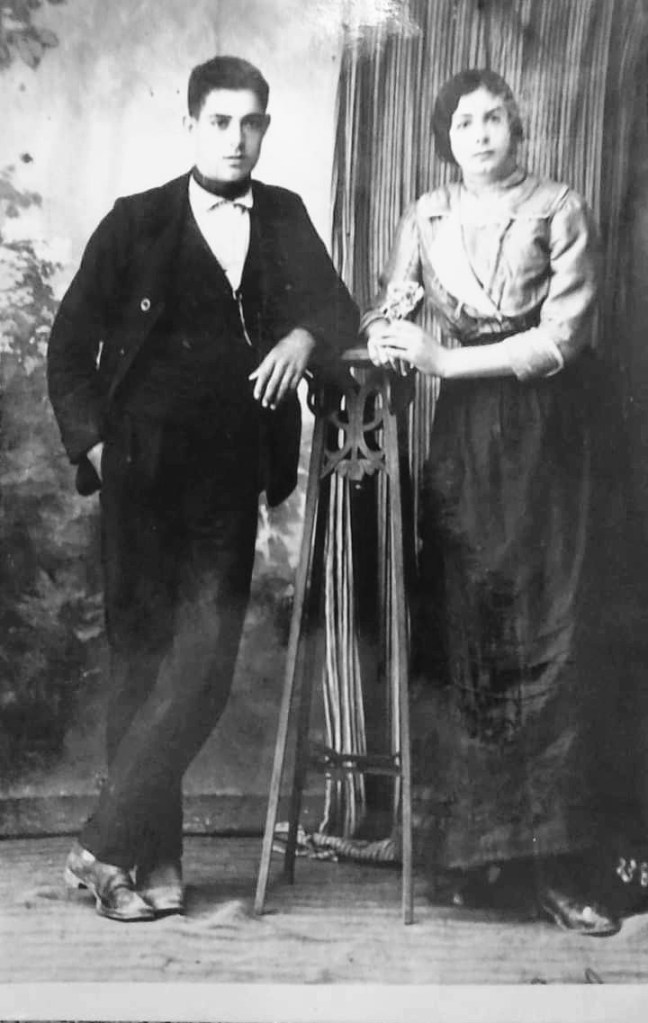
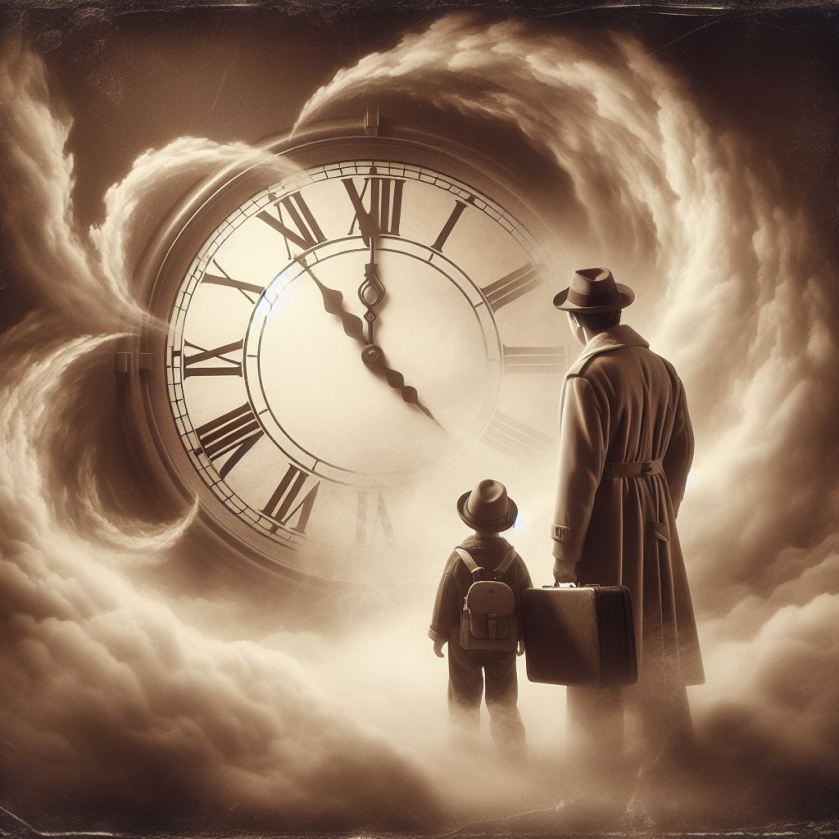
Imágenes: (1) Fotografía de Domingo González Pardo y su hermana Apolonia, cortesía de Mar Pérez Concha Galera (2) y (3) Imágenes creadas por Copilot (4) Fotografía de la Sierra de Contador, Almería
Images: (1) Photo of Dominic Gonzalez Pardo and sister Apolonia, courtesy of Mar Perez Concha Galera (2) and (3) Images created by Copilot (4) Photo of Sierra of Contador, Almeria / Translation from Spanish: Mar Martínez Leonard
Imagini: (1) Fotografia di Domenico Gonzalez Pardo e sorella Apolonia, per gentile concessione di Mar Perez Concha Galera (2) and (3) Immagini create da Copilot (4) Fotografia di Sierra di Contador, Almeria / Traduzione dallo spagnolo: Mar Martínez Leonard
Entró en la habitación oscura casi sin hacer ruido y se dirigió hacia la cama. Estaba a medio hacer, pero tenía sábanas limpias. Se tumbó en ella. No encendió la luz de la mesita. Cualquier sonido de los vecinos o de la calle le hacía estar alerta. No había sido culpa suya. Uno de los hombres de don Jacinto intentó arrancarle a ese bebé de los brazos en plena plaza, y fue por eso que le empujó. Y es que Martín, contrariamente a las antiguas reglas de la servidumbre, creía de corazón que el cuidado de un infante correspondía a sus padres. Seguidamente, había entregado el bebé a la madre, quien era además su única amiga desde que se había mudado al pueblo. Después, a la entrada de su casa, no había visto la inscripción «Villa Bella», y la había encontrado en el suelo partida en dos. Eso no había sido obra de los hombres de don Jacinto, simplemente no habían tenido tiempo de cruzar el esparragal. Pero el pueblo era tan pequeño que las malas noticias volaban entre sus casas adosadas picoteando la frente y las ideas de algunos aldeanos curtidos por el miedo y la costumbre: el boca a boca había funcionado en minutos. Ya no podría entrar en casa como quien entra en un refugio seguro. Aún así, la suavidad fresca de las sábanas y el recuerdo de sentirse protegido eran tan reconfortantes que se durmió.
Fue todo muy rápido y eficaz. Lo único que realmente le dolió fue la puñalada en el estómago. Sobre todo, notaba que se le estaba yendo la vida por esa herida. Luego perdió el conocimiento y, cuando despertó, se sentía muy débil y estaba tumbado boca abajo sobre algo que debía ser una planta espinosa. Después vio a aquel niño hijo del arriero y sintió una patada en la espalda. Pidió auxilio y el niño corrió asustado. En seguida, volvieron los hombres de don Jacinto, y esta vez, su verdugo le pidió disculpas antes de apuñalarlo: «Mira, que yo no tengo ná contra ti. Que yo soy un mandao.»
He walked into the dark room almost silently and headed towards the bed. It was half done, but had clean sheets. He lay on it. He didn’t turn on the light of the night table. Any sound from neighbors or the street made him be alert. It wasn’t his fault. One of Don Jacinto’s men tried to tear that baby from his arms in the middle of the square, and that’s why he pushed him. The thing was that Martin, contrary to the ancient rules of servitude, believed from his heart that the care of an infant corresponded to their parents. He had then given the baby to the mother, who was also his only friend since he moved to the village. Then, at the entrance of his house, he had not seen the inscription «Villa Bella», and had found it on the ground split in two. That had not been the work of Don Jacinto’s men, they simply had not had time to cross the asparagus fern and do it. But the village was so small that the bad news flew between the terraced houses pecking at the forehead and the ideas of some villagers hardened by fear and custom: word of mouth had worked in minutes. He could no longer enter the house as one who enters a safe haven. Still, the fresh softness of the sheets and the memory of feeling protected were so comforting that he fell asleep.
It was all very fast and efficient. The only thing that really hurt him was the stab in the stomach. Above all, he felt that his life was going away through that wound. Then he lost consciousness, and by the time he woke up, he was feeling very weak, and he was lying face down on something that felt like a thorny plant. Later he saw that boy, the son of the muleteer, and felt a kick in the back. He asked for help, and the boy ran scared. Immediately after, Don Jacinto’s men returned, and this time, the headsman apologized before stabbing him: «Look, I have nothing against you. I am an errand runner».
Despertó, exactamente igual que cualquier otro hombre ordinario que se despierta. Exactamente igual que cualquier otro hombre ordinario, se vistió, y, tras vestirse, se sentó cerca de la ventana. Mientras pensaba, contemplando el cielo, en lo triste que es perder a un amigo, la guerra o morir solo en un hospital, se desencadenó una tormenta. Una niña que esperaba frente a la puerta de un colegio rompió a llorar, un perro ladraba.
Al principio no era consciente de lo que le pasaba: comía, dormía, amaba, vivía, igual que hacen otros hombres ordinarios. Sólo después de varios episodios singulares empezó a sospechar que le sucedía algo anormal. Primero, notó que había algo que lo llamaba a mimar a los enfermos y a los ancianos. Luego desarrolló, poco a poco, un agudo sentido del bien y del mal, siendo ambas cosas indivisibles e inexplicables, pero absolutamente evidentes para él. Por último, su personalidad empezó a cambiar, desintegrándose en varias personalidades a la vez o en ninguna, esto es, haciéndose versátil mas nunca igual.
Y a medida que era consciente de ello fue perfeccionando, encarrilando su uso. Así, tocando en el cuello o en la cabeza, conseguía aliviar la locura, la enfermedad de Alzheimer, el cáncer de piel o de huesos, la artritis y otros males degenerativos. Soñando, podía predecir acontecimientos futuros. Sus manos no curaban, mas transmitían una energía que calmaba el dolor y fortalecía el espíritu. No era un adivino tradicional, sino que veía en los sueños situaciones concretas de la vida diaria que estaban por suceder. Por otra parte, el hecho de saber lo que iba a ocurrir lo hacía desdichado.
Durante algún tiempo, su salud mental se deterioró. Estaba triste y aislado, las horas transcurrían lentas: parecían haber quedado encerradas dentro de las paredes de su casa. Buscó, desesperado, compañía. Entonces se le ocurrió que debía adoptar un gato.
La cosa funcionó: hablaba con él, le hacía cucamonas, lo alimentaba, y dejó de tenerle miedo a la soledad. Después de aquello, volvió a ser una persona equilibrada. Más aún, aprendió a beneficiarse él también de su propia energía, ésta se convirtió en una espiral que iba y volvía, dentro de un juego donde ya no se sabía quién daba y quién recibía.
Muchos aseguraban haber oído al gato maullar en la oscuridad en las noches de luna nueva, decían que se trataba un animal muy sensible, que podía sentir la presencia de almas en pena que cruzaban desorientadas la casa. Otros decían que, además de los vivos, antepasados muertos se habían instalado allí para siempre, atraídos por la buena energía que fluía en ella. Lo cierto es que, cualquiera que entraba por la puerta experimentaba inmediatamente bienestar físico y paz de espíritu.
Pasó el tiempo, nuestro hombre ordinario tenía ahora cuarenta y dos años. Su vida giraba alrededor de un servicio de prensa internacional más o menos importante para el que trabajaba, su afición a la lectura y su gato. No había nada sobresaliente en su pasado, excepto el haber ayudado a cientos de personas, muchas de ellas ahora curadas, a sentirse mejor. No estaba casado ni había tenido hijos, sin embargo, era feliz.
Como un camaleón envejecería y se haría invisible hasta el final de su vida. Al fin y al cabo, la naturaleza humana es ambiciosa y de ninguna manera pensaba que alcanzaría nunca todo lo que deseaba.
Imágenes: (1) Autor desconocido (2) Nida
By Mar Martínez Leonard
He woke up, just like any ordinary man who wakes up. Just like any ordinary man, he dressed, and after dressing, he sat near the window. While contemplating the sky, he was thinking about how sad it is to lose a friend, to go to war, or to die alone in a hospital. A storm broke, a girl who was waiting in front of a school-gate burst into tears, a dog was barking.
At first he was not aware of what was happening to him: he ate, slept, loved, lived, just like other ordinary men. Only after several singular episodes did he begin to speculate that something abnormal was happening to him. First, he noticed there was something that called him to pamper the sick and the elderly. Then, little by little, he developed a keen sense of right and wrong, both of which were indivisible and inexplicable, but absolutely evident to him. Finally, his personality began to change, disintegrating into several personalities, or into none, this is, becoming versatile but never the same.
And, as he became aware of it, he perfected it, directing its use. Thus, by touching the neck or the head, he was able to alleviate madness, Alzheimer’s disease, skin or bone cancer, arthritis and other degenerative diseases. When dreaming, he could predict future events. His hands did not heal, but transmitted an energy that calmed the pain and strengthened the spirit. He was not a traditional seer, but saw in his dreams concrete situations of daily life that were about to happen. On the other hand, knowing what was going to happen made him miserable.
For some time, his mental health deteriorated. He felt sad and isolated, the hours passed slowly: they seemed to have been locked inside the walls of his house. He desperately looked for company. Then it occurred to him that he should adopt a cat.
That arragement worked: he talked to it, peted it, fed it, and he stopped being afraid of loneliness. After that, he returned to being a balanced person. Furthermore, he also learned to benefit from his own energy, this became a spiral that went back and forth, within a game where it was no longer known who was giving and who was receiving.
Many claimed to have heard the cat meow in the dark on new moon nights. They said that it was a very intuitive animal, that it could sense the presence of souls in pain crossing the house disoriented. Others said that, in addition to the living, dead ancestors had settled there forever, attracted by the good energy that flowed in it. The truth is that anyone who walked through the door experienced immediately physical well-being and peace of mind.
Time passed by, our ordinary man was now forty-two years old. His life revolved around a more or less important international press service for which he worked, his love for reading and his cat. There was nothing outstanding in his past, except for having helped hundreds of people, many of them now cured, to feel better. He was not married and had no children, yet he was happy.
Like a chameleon, he would age and become invisible until the end of his life. After all, human nature is ambitious and by no means did he think he would ever achieve everything he wanted.
Ya desde muy pequeñito he sido un recitador de versos, no sé si bueno, pero sí muy solicitado. Mi trayectoria en este terreno va desde la primera vez cuando tenía unos cuatro años hasta la grabación en audiolibro para Storytel de un poemario de Walt Whitman hace dos o tres años. Entre un punto y el otro está mi papel en el seminario de Almería como encargado habitual de recitar los poemas en los actos y la costumbre, posiblemente un poco cargante en ocasiones, de recitarles poemas a mis hijos mientras conducía en nuestros viajes. De ahí pasé a disfrutar mucho con el teatro, tanto que, una vez, después de algún recitado o alguna representación en Almería me dijo Don Juan, el superior del seminario: -Muy bien, muy bien, Jerónimo. Pero a ver si con las tablas no llegas al último escalón. Aludiendo obviamente a que temía que mi entusiasmo por el teatro me desviara del camino que había emprendido, que era el de subir las gradas del altar como sacerdote. La primera vez que me recuerdo recitando unos versos fue en la petición de mano de mi tía Pepa por mi tío Nicolás, en 1948, en el cortijo propiedad de los padres de ella, la Bermeja. A mi maestro, Don Antonio, le habían hecho gracia unos versos de una viñeta del humorista gráfico Miranda, del diario Ideal de Granada, y me hizo aprendérmelos:
¿Qué culpa tiene el tomate que lo arranquen de la mata, lo metan en una lata y cobren un disparate?
Por lo que se ve, la gente se divertía mucho viendo a un pequeñajo como yo recitando semejante amago de crítica social. En concreto en la Bermeja, recuerdo que, a los postres, me subieron a la mesa y desde allí recité esos versos y no sé si algunos otros. Creo que fue no mucho tiempo después cuando el abuelito me enseñó otros versos:
En el cielo, las estrellas, en la tierra, las espinas, y en el centro de mi pecho la República Argentina *
No sé si en el centro del pecho o en cualquier otro lugar iba yo guardando aquella Argentina que mi abuelo iba dibujando día a día con su continua añoranza, pero eso debió de ser lo que me hizo conmoverme tan profundamente cuando, en abril de 1987, al aterrizar en el aeropuerto de Buenos Aires, al amanecer, después de sobrevolar el mar de casitas bajas del conurbano bonaerense, el piloto dijo:
-Hemos aterrizado en el aeropuerto de Ezeiza. Bienvenidos a la República Argentina.
Había aprovechado las vacaciones de Semana Santa y un complemento del billete aéreo que se llamaba “Visite Argentina” para, una vez acabada la Feria del Libro y el Congreso de bibliotecarios al que me habían invitado, viajar en pocos días a Mendoza, a Córdoba y a Rosario. En Mendoza contraté un taxi para visitar en el día casi completo que estuve allí los puntos de referencia de mi abuelo: el Cerro de la Gloria donde estaba mi abuelo en una foto que tenía en mi cuarto, el Hospital Lencinas, el Parque General Sanmartín, la Avenida de Las Heras. De allí me fui a Córdoba donde conocí a mis parientes argentinos, visité la tumba de mi bisabuela María y vi algunas cosas de las que uno va dejando de pasada por los sitios donde ha vivido como:
-Tu abuelo trabajó en ese tanque –así lo llamaban, era un depósito de agua.
Después, creo que con escala y pernoctación en Buenos Aires, viajé a Rosario, donde fui a visitar en su convento a la tía Ana, Sor Valentina para las monjas. Hice el viaje con avidez, queriendo registrarlo todo, vivirlo todo, mirándolo todo con un sentimiento de pertenencia a aquel país que estaba visitando por primera vez. Eran tiempos difíciles para la Argentina. ¿Y cuándo no lo han sido en los últimos setenta años? Mientras yo sobrevolaba el país en avión y flotaba en mis recuerdos incluso cuando estaba en tierra, estaba en marcha el golpe de estado del teniente coronel Rico. Luego vinieron las otras intentonas militares, la hiperinflación y el desánimo por ver el país levantarse y volver a caer una y otra vez. Sería frívolo y casi insultante decir que compartía el dolor y la desesperación de los argentinos cuando yo tenía un excelente sueldo en dólares, un estatuto diplomático y la posibilidad de alejarme cuando quisiera mientras que mis familiares, mis compañeros de tertulia, mis amigos veían cómo sus sueldos miserables se les deshacían en el bolsillo como humo por la hiperinflación y les era imposible pagar un coche decente o un apartamento o comprar un pasaje para salir del país.
Sin embargo, aquel sentimiento de pertenencia que el abuelito había ido sembrando en algún lugar de mi pecho con su nostalgia estuvo siempre ahí durante toda mi estancia en la Argentina. Y sigue estando. En uno de mis primeros actos como Viceconsejero de Cultura de la Junta de Andalucía en el otoño de 1982 fui a Chirivel, la capital de mi municipio, a inaugurar la biblioteca pública. Era mi primer cargo de alguna relevancia, que tenía recién estrenado, y llegué al lugar de la inauguración a aquella que era mi tierra y me apeé del coche oficial con un sentimiento de orgullo cuyo recuerdo me hace ahora sonrojarme. Pero allí estaban mi abuelo y mi padre, a los que me acerqué a saludar con un beso, muchísimo más llenos de orgullo que yo. He pensado muchas veces que qué pena que la llama de la vida del abuelito no le hubiera durado unos años más o que yo no hubiera tenido la oferta de la Agregaduría Cultural a la Embajada de España en Buenos Aires algunos años antes, y he fantaseado con lo orgulloso que estaría él de mí y yo de él presentándolo en una recepción a mis compañeros de la embajada o llevándolo a visitar el Hospital Lencinas, o la Avenida de las Heras, como hice yo la primera vez que viajé a Mendoza. Aunque después de haber escrito el relato pienso que quizá ha sido mejor que el abuelito no haya tenido ocasión de sentir de nuevo allí la puñalada de la ausencia.
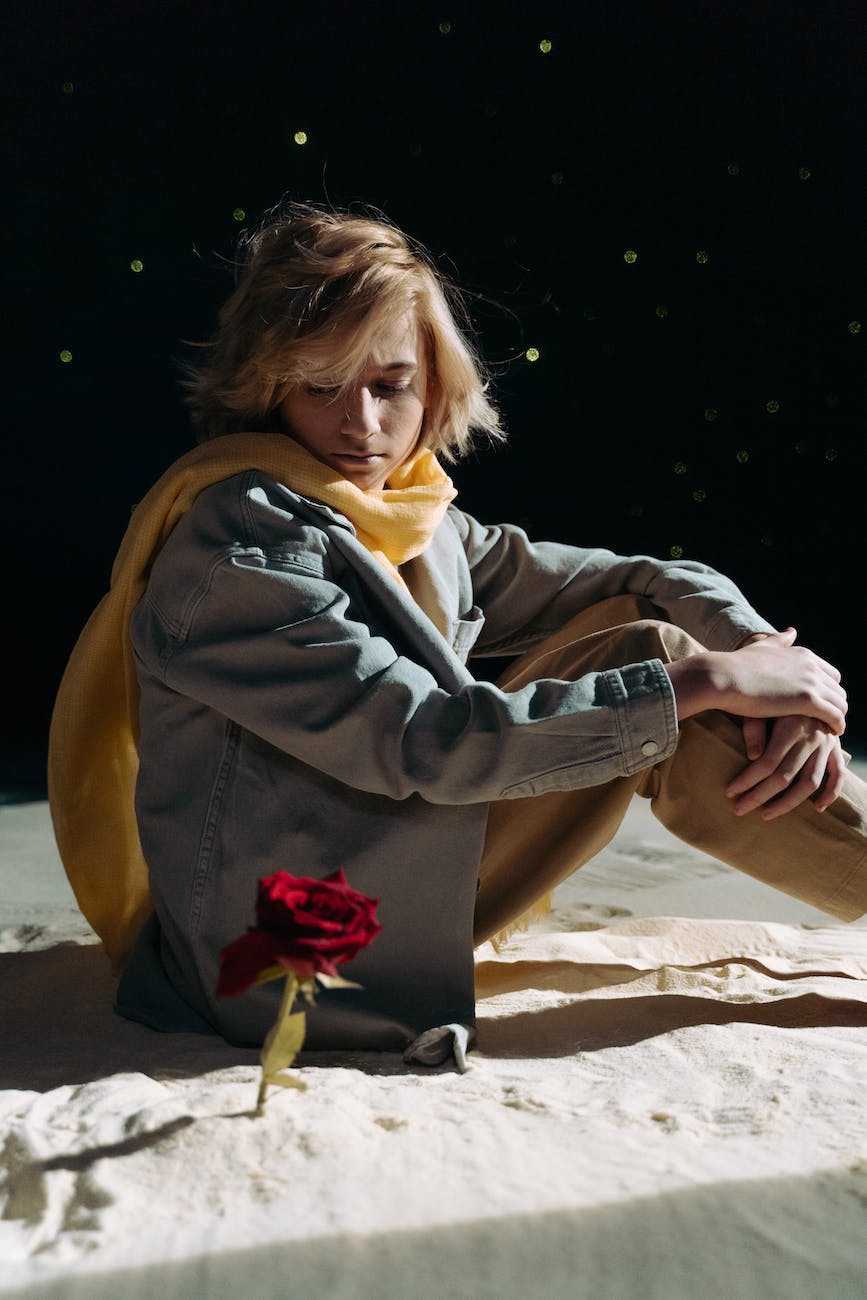
IMÁGENES, DE ARRIBA A ABAJO: Le Petit Prince, Cottonbro; Monumento al Ejército de Los Andes en el Cerro de la Gloria, Mendoza; Vista del Obelisco de Buenos Aires; El Hada de Ba, Campos Jesses, Uriburu 1073 – Recoleta, Buenos Aires; Raúl Alfonsín, padre de la democracia para siempre, ADN Digital; Cementerio de la Recoleta, Buenos Aires
IN THE CENTER OF MY CHEST
BY JERONIMO MARTINEZ GONZALEZ
Since I was very little I have been a reciter of verses. I am not sure if a good one, but a highly requested one. My career in this field goes from the first time when I was about four years old to an audiobook recording for Storytel of a collection of Walt Witman poems two or three years ago. Between one time and the other is my role in the seminar in Almeria as usually being in charge of reciting poems during events, and the habit, possibly a bit tiresome at times, of reciting poems to my children while driving in our trips. From then on, I began to enjoy the theater a lot, so much that, one time after a recitation or some performance in Almería, Don Juan, the superior of the seminary, told me:
-Very good, very good, Jerome. But let’s see if with the boards you don’t reach the last step.
Alluding, obviously, to the fact that he feared my enthusiasm for the theater would divert me from the path I had undertaken, which was to climb the steps of the altar as a priest. The first time I remember reciting some verses was at my uncle Nicholas’ marriage proposal for my aunt Pepa in 1948, in the farmhouse owned by her parents, La Bermeja. My teacher, Don Antonio, had been amused by some verses from a vignette by cartoonist Miranda, from the Ideal newspaper in Granada, and he made me learn them:
What fault has got the tomato if they pull it from the plant they squeeze it in a can and charge you a nonsense?
Apparently, people had a lot of fun watching a little boy like me reciting such a hint of social criticism. In particular, at La Bermeja, I remember they placed me on a table at dessert, and from there, I recited those verses, and I am not sure if some other too. I think it was not long after when Grandpa taught me these other verses:
The stars in heaven the spines on earth and the Argentine Republic in the center of my chest *
I don’t know if in the center of my chest, or in any other place, I was gradually keeping the Argentina that my grandfather was drawing day by day with his longing. But that must have been what made me move so deeply when, in April of 1987, upon landing at the Buenos Aires airport at dawn, after flying over the sea of low-rise houses in the suburbs, the pilot said:
-We have landed at the Ezeiza airport. Welcome to the Argentine Republic.
I had taken advantage of the Easter holidays and a supplement to the air ticket called «Visit Argentina» so that, once the Book Fair and the Librarians’ Congress to which I had been invited were over, I would travel to Mendoza, Cordoba and Rosario. In Mendoza I hired a taxi to visit my grandfather’s landmarks for almost the entire day I was there: The Hill of Glory where my grandfather was in a photo I had in my room, Lencinas Hospital, General San Martin Park, Las Heras Avenue. From there I went to Córdoba where I met my Argentinian relatives, I visited the grave of my great-grandmother María, and I saw some things that people leave behind in passing through the places where they have lived, such as:
-Your grandfather worked in that tank –it was a water tank.
Later, I think with a stopover and an overnight stay in Buenos Aires, I traveled to Rosario, where I went to visit Aunt Ana, Sister Valentina for the nuns, at her convent. I made the trip eagerly, wanting to record it all, experience it all, looking at it all with a sense of belonging to the country I was visiting for the first time. They were difficult times for Argentina. And when have they not been in the last seventy years? As I flew over the country and floated in my memories even when I was on the ground, Lieutenant Colonel Rico’s coup was underway. Then came the other military attempts, hyperinflation and discouragement at seeing the country rise and fall again and again. It would be frivolous and almost insulting to say that I shared the pain and despair of the Argentinians when I had an excellent salary in dollars, a diplomatic status and the possibility of leaving whenever I wanted while my relatives, my social gathering partners, my friends, saw how their their miserable salaries melted away in their pockets like smoke and they were unable to afford a decent car or an apartment or to buy a ticket out of the country.
However, that feeling of belonging that grandpa had been sowing with his nostalgia somewhere in my chest was always there throughout my stay in Argentina. And it still is. In one of my first events as Deputy Minister of Culture of the Junta de Andalucía in the fall of 1982, I went to Chirivel, the capital of my municipality, to inaugurate the public library. It was my first position of some relevance, and I arrived at the inauguration site to what was my land, and I got out of the official car with a feeling of pride whose memory now makes me blush. But there were my grandfather and my father, whom I approached to greet with a kiss, much more full of pride than me. I have thought many times that what a pity that the flame of grandpa’s life had not lasted a few more years, or that I had not had the offer from the Cultural Attaché Office at the Spanish Embassy in Buenos Aires a few years earlier, and I have fantasized about how proud he would be of me and me of him, presenting him at any reception to my colleagues at the embassy or taking him to visit the Lencinas Hospital, or Avenida de las Heras, as I did the first time I traveled to Mendoza. But after having written this story, I think that perhaps it was better that grandpa did not have the opportunity to feel the stab of absence there again.
IMAGES, TOP TO BOTTOM: Le Petit Prince, Cottonbro; Monument to the Army of the Andes at the Hill of Glory, Mendoza; View of the Obelisk in Buenos Aires; The Fairy of Ba, Campos Jesses, Uriburu 1073 – Recoleta, Buenos Aires; Raúl Alfonsín, father of democracy forever ADN Digital; Recoleta Cemetery, Buenos Aires
El olor dulce del tabaco aún sigue en mi memoria. El abuelo enrollaba su tabaco, colaba en la tarde su café y se reclinaba en un sillón para contarnos de la guerra, siempre la misma historia sobre las monedas enterradas en los muros del ingenio, la cambiaba o la inventaba cada vez y el tiempo parecía gravitar en humo y en la luz de la lámpara de aceite. Como el abuelo cambiaba la historia cada vez, la relativa ubicación de las monedas cambiaba cada vez. En aquellos tiempos mi padre agujereó las murallas con un pico, compró perros rastreadores de tesoros según él. Se sentaba como un chico a los pies del abuelo cada tarde y le encendía el tabaco con la esperanza de una revelación exacta del lugar, mas el abuelo con cierta picardía volvía a torcer la historia de las monedas y pasándose la mano por la blanca barba echaba la última bocanada de humo hacia el techo, decía unas palabras inconclusas sobre las monedas e inclinaba el rostro como si anduviera en profunda meditación y se dormía. Mi padre en aquellos tiempos salía a agujerear los muros, fumaba tabaco buscando una revelación, se inventó un aparato de buscar metales, creó un mapa, un plan de excavación, buscó ayuda entre sus amistades que se sentaban cada tarde delante del abuelo como si apelaran a un milagro, y la historia cambiaba y se repetía cada noche. El abuelo en persona visitaba las operaciones de búsqueda de vez en cuando y apuntaba con el bastón cada vez a una pared diferente, a un montón de piedra diferente, por lo que movieron el sitio de un lugar a otro hasta aplanarlo y cernieron la tierra tantas veces que había un finísimo hollín que gravitaba como una neblina en todas partes y envolvía las casas y levitaba en las aguas de los ríos como una gelatinosa ceniza. Mi padre en aquel tiempo contrajo una tos persistente por lo que distinguíamos su regreso a casa cada tarde en medio de la densa neblina, con un pañuelo en la boca hablaba como un bandido en secreto de los planes y la proximidad del objetivo y se sentaba delante del abuelo cada tarde a marcar sobre el rústico mapa nuevos trazos. El abuelo tenía dos monedas de oro que suspendía en el aire y aseveraba entre bocanadas de humo “monedas como estas” y cambiaba la historia nuevamente o la conversación mientras todos le miraban sin entender. Una noche entrada ya la madrugada el abuelo habló sobre la posible ubicación de las monedas mientras todos dormitaban, sólo mi padre hacía trazos en el mapa que se había alargado como un pergamino romano y que enrollaba en un palo de escoba cuidadosamente. Al día siguiente regresaron en la densa neblina vociferando los hombres de mi padre con una monedita entre los dedos, lo que alentó a todos en la región y se encendieron faroles y se hizo dos turnos de excavación encabezados por mi padre, se compraron nuevas herramientas para remplazar los amellados picos, como nadie dormía se usaron los bastidores de las camas como cernidores, sólo se extrajo de la tierra dos herraduras de mulo y todo tipo de chatarra, menos oro. Y después de un tiempo volvieron a reunirse junto al abuelo que ahora sostenía una moneda entre los dedos y aseguraba “monedas como esta” y hablaba ceremoniosamente como un patriarca y pausaba o demoraba las ideas o entraba en profunda meditación o sueño. Pasaron años en la tarea de las excavaciones y aunque no hubo oro se diversificó la búsqueda por la región de Santa Ana de La Viajaca debido a nuevas pistas, nuevas revelaciones. Se usó el polvo blanco que cernían ligado con agua para pintar las casas, las piedras para hacer cercas que servían para demarcar los límites de las propiedades de la región, cambió la geografía y fueron removidos los muros todos del ingenio y el abuelo continuó sentándose todas las tardes a enrollar tranquilo su tabaco y hacer diferente la historia cada tarde mientras miraba complacido como quien encuentra el oro en la caída del sol sobre las montañas que antiguamente se escondían detrás de los muros del ingenio.
Fragmento de En el lenguaje lascivo de los perros, Ediciones Velámenes, 2012, disponible aquí
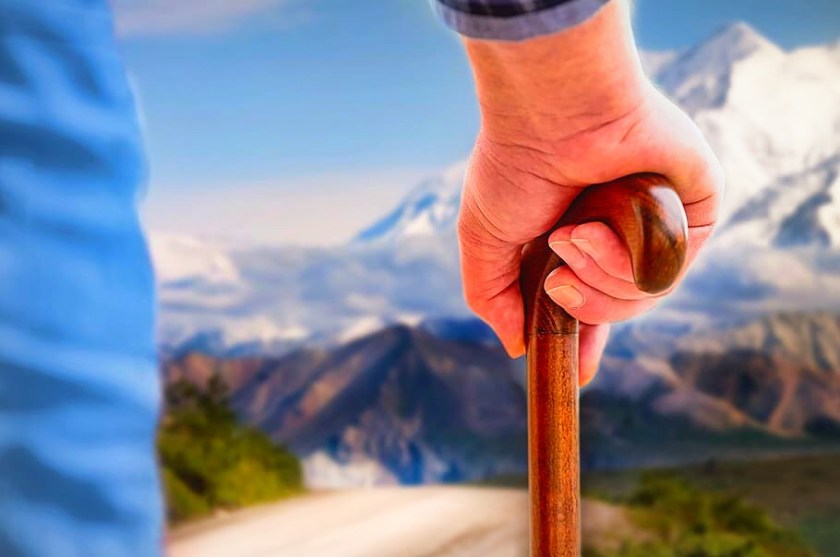
Foto Oro en las Montañas, Pxfuel
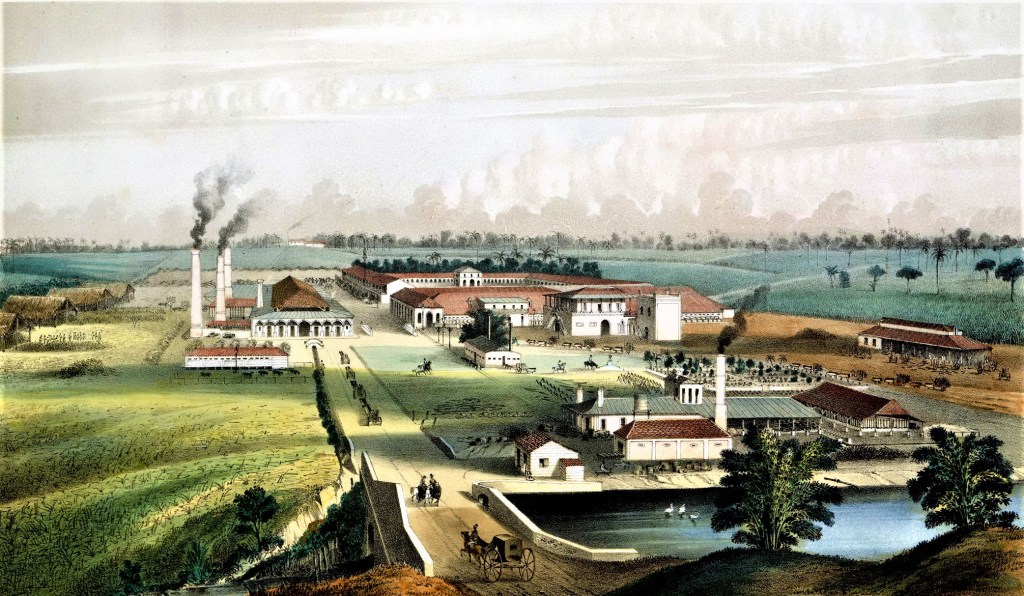
Ingenio Flor de Cuba, Impresión litográfica coloreada a mano, Eduardo Laplante, 1857
By Adalberto Guerra
The sweet smell of tobacco is still in my memory. Grandpa rolled his tobacco, strained his coffee in the afternoon and leaned back on an armchair to tell us of the war, always the same story about the coins buried inside the walls of the sugar mill. He changed it or invented it every time, and time seemed to gravitate in the smoke and on the light of the oil lamp. Since Grandpa changed the story every time, the relative location of the coins changed every time. In those days, my father pierced the walls with a pick, and bought dogs that sniffed treasures according to him. He sat like a boy at Grandpa’s feet every afternoon and lit his tobacco, waiting for an exact revelation of the place, but Grandfather, with a certain mischief, twisted the story of the coins again and again, passing his hand through his white beard, threw a last puff of smoke towards the ceiling, said a few unfinished words about the coins, and tilted his face as if he were in deep meditation, then fell asleep. My father in those days went out to drill holes in the walls, he smoked tobacco looking for a revelation, he invented a device to search for metals, he created a map, an excavation plan, he sought help from his friends who sat every afternoon in front of Grandpa as if they were appealing to a miracle, and the story changed and repeated itself every night. Grandpa himself visited in person the search operations from time to time, and each time he pointed his cane at a different wall, at a different pile of stones, so they moved the site from one place to another until everything was flattened, and they sifted the ground so many times that there was a very fine soot that gravitated like a mist everywhere, enveloping the houses and levitating on the waters of the rivers like a gelatinous ash. My father at that time contracted a persistent cough so we distinguished his return home every afternoon in the middle of a dense fog. With a handkerchief over his mouth, he spoke secretly like a bandit about the plans and the proximity of the objective, and sat in front of Grandfather every afternoon to mark new strokes on the rustic map. Grandfather had two gold coins that he suspended in the air while affirming between puffs of smoke «coins like these» and again, he changed the story or the conversation while everyone looked at him without understanding. One night in the early morning, Grandfather talked about the possible location of the coins while everyone was asleep, only my father made outlines on the map that had been lengthened like a Roman parchment and that he rolled up on a broomstick carefully. The next day, my father’s men returned in the dense fog shouting with a small coin between their fingers, which encouraged everyone in the region, and lanterns were lit, and two shifts of excavation led by my father were made, new tools were bought to replace the nicked picks; as no one slept, the bed frames were used as sieves. Only two mule horseshoes and all kinds of scrap metal were extracted from the ground, except for gold. And after a while, they met again with Grandfather who now held a coin between his fingers and assured «coins like this» and spoke ceremoniously like a patriarch and paused or delayed ideas or went into deep meditation or sleep. Years passed in the task of excavations and although there was no gold, the search on the region of Santa Ana de La Viajaca diversified due to new clues, new revelations. The white powder that they sifted together with water was used to paint the houses, the stones to make fences that served to demarcate the limits of the properties of the region, the geography changed and the walls of the mill were removed. And Grandfather continued to sit every afternoon to quietly roll his tobacco and make the story different every afternoon while watching pleased, as if finding gold at sunset on the mountains that formerly hid behind the walls of the sugar mill.
Extract from En el lenguaje lascivo de los perros (In the Lascivious Languge of Dogs), Ediciones Velamenes, 2012, available in Spanish here
Translation from Spanish: Mar Martínez Leonard
Photo Gold on the Mountains, Pxfuel
Flor de Cuba Sugar Factory, Lithographic print, hand colored. Eduardo Laplante, 1857
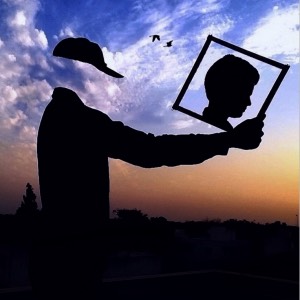
La situación es extremadamente grave. Las opulentas industrias contaminan la vida con los crímenes de su codicia…
Por Antonio Arjona
La situación es extremadamente grave. Las opulentas industrias contaminan la vida con los crímenes de su codicia. La muchedumbre desayuna tinta verde y servidumbre. El cielo es ocupado por la noche eterna coronada por una luna grande y escarlata. El viento, envenenado hasta quedar paralizado. Tan solo, en los bosques, la maleza es presa de un movimiento animal, convulsivo y continuo, el feroz instinto que se abre paso a dentelladas entre los escombros del presente.
Mares y océanos son dominados por el plomo y la pólvora de innumerables guerras. La tierra, yermos en los que se siembra el hambre y la desgracia. Cada ciudadano arroja al medio ambiente y contra sus semejantes de tres a cinco kilos de basura diarios. Las drogas, ya no son un estímulo para la imaginación o una forma de indagar en el alma, sino auténticas sustancias letales. El amor es un personaje que balbucea en las tramoyas de Hollywood. El sexo se vende enlatado en exclusiva para anoréxicos y bulímicos. Los libros fulgen en las inquisitivas hogueras de los cobardes. Los museos son convertidos en sombríos almacenes que albergan la obra atroz o pusilánime de los hijos de la debilidad y la vileza. Durante un tiempo la música resiste a los tiempos esquilmados, pero al final tan solo es mero chisme que circula de boca en boca. La indiferencia se estructura como máquina infalible contra todos y contra todo. El trabajo es una broma cruel de los dioses de la riqueza y el desprecio. Hombres y mujeres olvidan el lenguaje de las manos y del valor. Los niños se arrojan a los acantilados del terror con lápices rotos en sus incipientes manos. Los cuadernos mojados navegan a la deriva en las sacramentales aguas de las pilas bautismales, donde se lava las manos la infame providencia.
Nadie sabe, quién o qué gobierna el mundo, ni siquiera se vislumbran las máscaras del tirano. Las fronteras se edifican con acero y hormigón, con odio y miedo, por los obreros que obedecen a las fantasmagorías del capitalismo amable y a los traidores de la libertad. El cerebro es constantemente vigilado por la desoladora ignorancia desde los panópticos del poder. La voluntad, tose y escupe sangre, enferma por la total e irreversible ausencia de imaginación.
Un hecho posterior contribuye a que la situación se resuelva. Una atávica maldición de ancianas borrosas, acerca de dos gotas de agua adiestradas para la destrucción por el poderoso rayo de la tormenta final, cobra realidad. Una gota cae transparente y mortal, y el mundo queda hecho añicos. La otra, cargada de furiosas fuerzas barre la ruina. Todo es silencio, forjado por el brazo de hielo de la muerte. En las arrasadas mesetas del futuro deambula Prometeo con una cruz de ceniza en la frente.
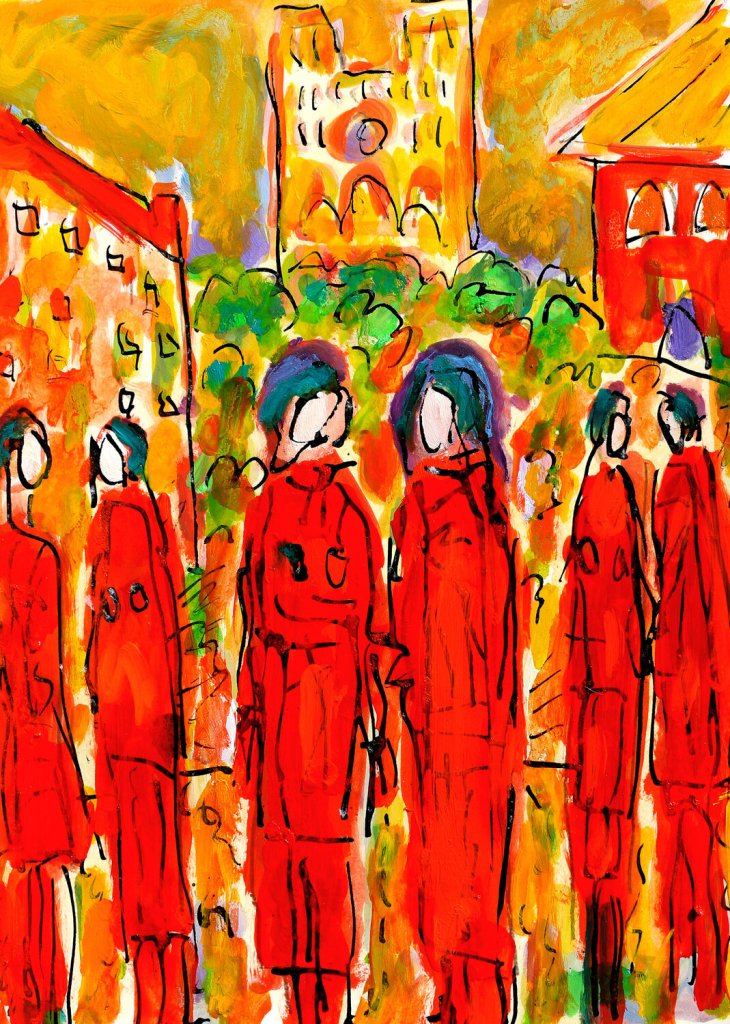
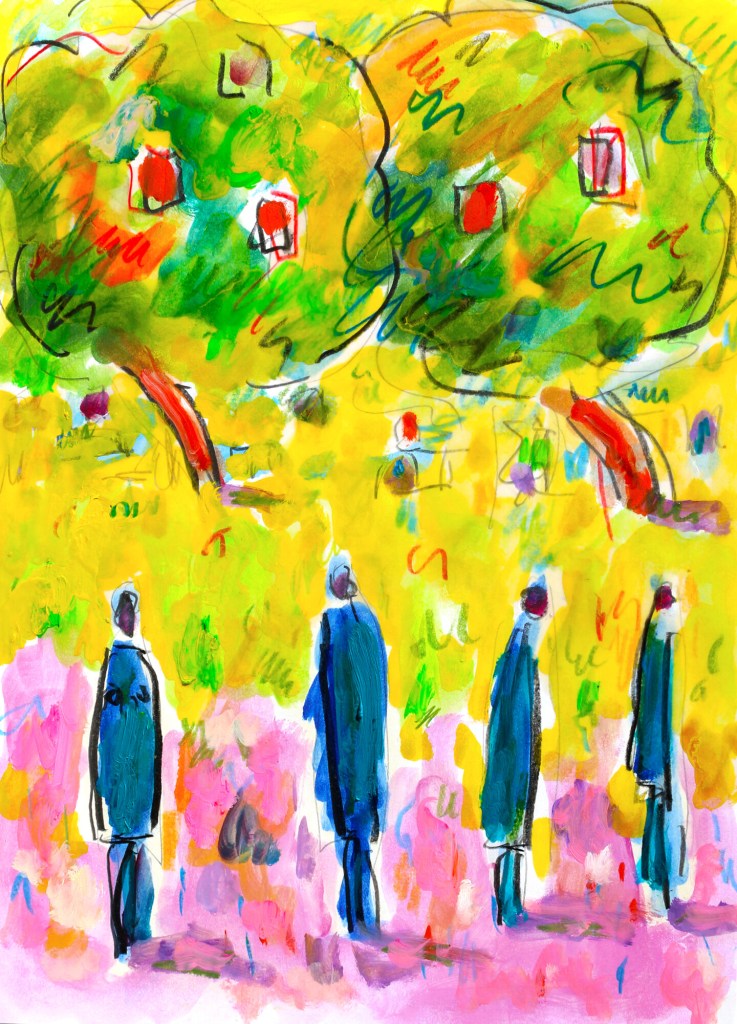
El Valle de Mo. Durante las crecidas del capitalismo.
Primera fotografía: La Tierra atrapada en una gota de agua, Markus Reugels
Segunda fotografía: rabian_640
By Antonio Arjona
The situation is extremely serious. Wealthy industries pollute our lives with the crimes of their greed. The crowd eats green ink and servitude for breakfast. The sky is occupied by an eternal night, crowned with a scarlet full moon. The wind is poisoned until paralyzed. Solely, in forests, weeds are prey to convulsive and continuous animal movement, the fierce instinct that bites its way through the rubble of the present.
Seas and oceans are dominated by lead and gunpowder from innumerable wars. The Earth is a wasteland where hunger and misfortune are sown. Each citizen throws three to five kilos of garbage into the environment and against their peers daily. Drugs are no longer a stimulus for the imagination, or a way of inquiring into the soul, but real lethal substances. Love is a character that babbles in Hollywood plots. Sex is sold in cans, exclusively for anorexics and bulimics. Books glow in the inquisitive bonfires of cowards. Museums are turned into gloomy warehouses that shelter the atrocious or cowardly work of the sons of weakness and vileness. For some time, music resists these depleted times, but in the end, it is just a mere gossip that circulates by word of mouth. Indifference is structured as an infallible machine against everything and everyone. Manpower is a cruel joke of the gods of wealth and contempt. Men and women forget the language of hands and courage. Children throw themselves off the cliffs of terror with broken pencils in their fledgling hands. Wet notebooks drift in the sacramental waters of baptismal fonts where the infamous providence washes hands.
Nobody knows who or what rules the world, not even the masks of the tyrant are glimpsed. Borders are built with steel and concrete, with hatred and fear, by workers who obey the phantasmagorias of amiable capitalism and the traitors of freedom. The brain is constantly being watched by bleak ignorance from the Panoptics of power. The will coughs and spits blood, sick from the total and irreversible absence of imagination.
A later event contributes to the situation being resolved. An atavistic curse of some blurred old women, about two waterdrops trained for destruction by the powerful lightning of the final storm, comes true. A waterdrop dribbles, transparent and deadly, and the world is shattered. The other waterdrop, charged with furious forces, sweeps away the ruin. All is silence, forged by the icy arm of death. Prometheus wanders with a cross of ash on his forehead on the scorched plateaus of the future.
The Valley of Mo. During the floods of capitalism.












 EL ARTCA