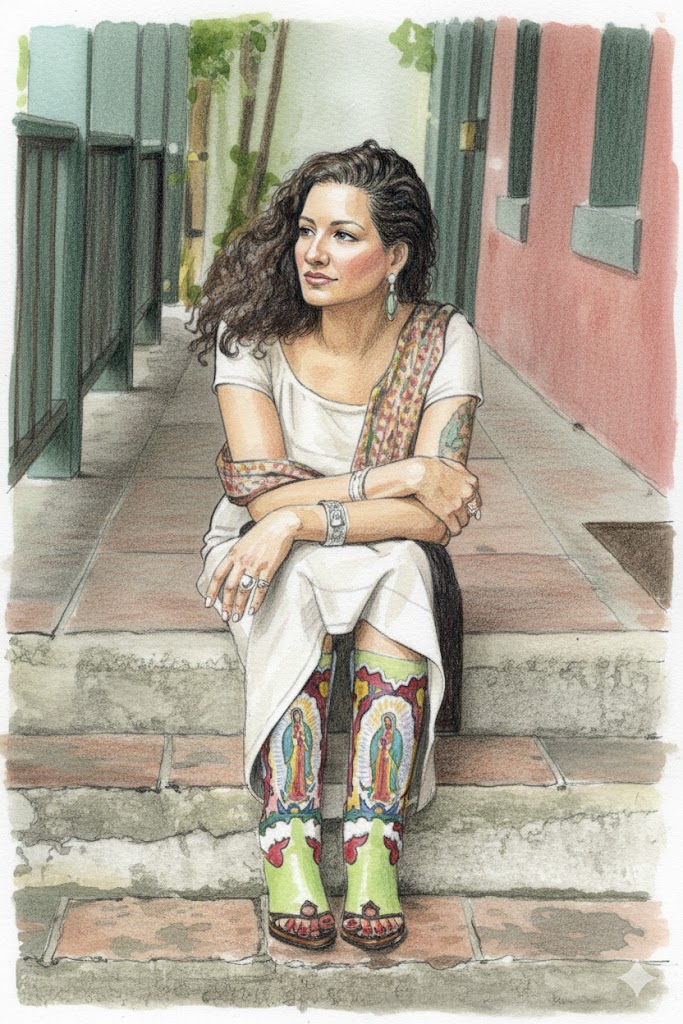
En una nación de inmigrantes, a menudo conocemos la vida de otros a través de historias, y en la historia de la literatura estadounidense, pocas escritoras han capturado la energía de la comunidad chicana mejor que Sandra Cisneros, primera mujer estadounidense-mexicana en ser publicada por una gran editorial.
Cisneros nació en Chicago en 1954. Sus padres, ambos mexicanos, llevaban con frecuencia a la familia a su país de origen a conocer su herencia. Desde niña fue una lectora voraz, aunque veía un problema en los libros que leía, ya que no reflejaban el mundo que ella conocía.
Escribió su primer poema a los diez años, fue editora de la revista literaria de su escuela secundaria y se graduó en arte por la Universidad de Loyola. Pero fue durante un seminario de escritura cuando se dio cuenta de que si escribía sus propias experiencias, sus escritos serían únicos y traerían una voz nueva a la literatura estadounidense.
Ya su primer libro de poesía Bad Boys (Chicos Malos) rompió con el estándar al utilizar slang chicano. The House on Mango Street (La casa en Mango Street), su novela debut, invitó a los lectores a conocer la vida de una familia chicana que vivía y trabajaba en Chicago. En ella, la protagonista, Esperanza Cordero, narra en su propia voz su viaje de transición a la adultez, en el que va perdiendo la inocencia cuando se enfrenta al abuso y la discriminación. Esta novela es reconocida ahora como un clásico de la literatura hispano-estadounidense y ha vendido millones de copias. Otras de sus obras en prosa son Caramelo y El arroyo de la llorona.
Cisneros vive actualmente en San Miguel de Allende, México, y se espera que participe en el Salón de Poesía de la Feria Internacional del Libro de Guadalajara 2025, el próximo 4 de diciembre, y en la Noche de Poesía Expandida el 5 de diciembre.
By Mar Martínez Leonard
In a nation of immigrants, we often learn about the lives of others through stories, and in the history of American literature, few writers have captured the energy of the Chicano community better than Sandra Cisneros, the first Mexican-American woman being published by a major publishing house.
Cisneros was born in Chicago in 1954. Her parents, both Mexican, often took the family to their home country to learn about their heritage. Since she was a child, she was a voracious reader, but she saw a problem in the books she read, because they did not reflect the world she knew.
She wrote her first poem at age ten, was editor of her high school’s literary magazine and graduated with a degree in arts from Loyola University. But it was during a writing seminar when she realized that if she wrote about her own experiences, her writing would be unique and would bring a new voice to American literature.
Her first book of poetry, Bad Boys, broke with the standard by using Chicano slang. The House on Mango Street, her debut novel, invited readers to learn about the life of a Chicano family living and working in Chicago. In it, the main character, Esperanza Cordero, narrates in her own voice her journey of transition to adulthood, in which she loses her innocence when she faces abuse and discrimination. This novel is now recognized as a classic of Hispanic-American literature and has already sold millions of copies. Other of her prose works are Caramelo and Woman Hollering Creek.
Cisneros currently lives in San Miguel de Allende, Mexico, and she is expected to participate in the Poetry Salon of the Guadalajara International Book Fair 2025, on December 4, as well as in the Expanded Poetry Night on December 5.
Serían las cinco. Había llovido hacía unas dos horas, y aunque no había sido mucho, sí lo suficiente para soñar de nuevo con el sol.
Nada más entrar sentí su presencia, una mezcla indescriptible de silencio con su perfume. Pronuncié su nombre en voz alta e incredulidad, pues por la mañana la había acompañado al aeropuerto de camino a Bcn. Lo siguiente que vi fue su bolso, el Bimba & Lola lila mate sin costuras, regalo de su cincuenta cumpleaños. Estaba abierto y caído de costado sobre el mueble del recibidor. De él asomaban inquilinos varios de bolso de mujer junto a los elásticos de una FPII y un test de antígenos usado. Repetí su nombre en voz alta con firmeza e interrogación, esta vez con más volumen y conteniendo la respiración, mientras me dirigía al baño con la esperanza y el temor de encontrarla allí.
Nunca la había sentido tan pesada, lo que me hizo pensar que nunca antes la había cogido en brazos. Eso me apenó. La misma maniobra sin angustia me hubiera costado una contractura lumbar. En esas circunstancias la levanté del suelo sin más, como si las emociones obrasen lo imposible sobre el cuerpo y sus capacidades. La recosté en nuestra cama boca arriba a la vez que me aliviaba comprobar que, aunque sin consciencia, todavía respiraba.
—¿Qué es lo que nos desvela cuando otros sueñan aquello que nos roba la calma cuando todo parece estar en orden? —me había preguntado ella la noche antes en esa misma cama y sin mirarme minutos antes de apagar la luz y enfrentarse de nuevo al insomnio.
Besé a Sandra en la frente. Su piel estaba fría y húmeda. Sentado en el borde de la cama me incliné hacia ella, cogí su cráneo con mis dos manos y apoyé su cara contra mi cuello. Su olor me impregnó los senos nasales e interrumpió mi respiración. Cerré los ojos y dejé pasar el tiempo sin hacer nada más que confiar en su regreso. “Nadie se cree mortal en el fondo, para eso habría que haber muerto previamente y eso nadie lo ha hecho todavía”, pensé segundos antes de sentir su susurro en mi oído. De repente un ahogo mezclado con rabia sacudió su cuerpo y la hizo temblar. “Por eso nadie vive del todo”, fue lo siguiente que pensé. “Nos pasamos la vida en busca de algo que falta, de esa cosa, persona, tiempo o lugar que nos complete”, pensé. “Nos creemos eternos para no hacernos cargo de nuestras propias vidas”, comprendí.
Tras el ahogo llegaron el llanto y las lágrimas. Se agarraba con fuerza a mi cuello, incorporada en la cama de cintura para arriba. Sentía su ardor febril, su taquicardia y la fuerza y temblor de sus brazos. Y sobre todo su olor a melena humedecida de lágrimas y sudores fríos. Pasaban los segundos y a medida que ella se calmaba yo me angustiaba. Quise decirle algo pero el ahogo era a mí a quien asediaba ahora y me lo impedía. Me apretó con fuerza y violencia contra su cuerpo empapado y ardiente y estallé a llorar sin freno, como un suicida que por fin se siente libre y de repente quiere vivir. Quería hablar, pero no podía. Solo podía llorar y gritar. Pensé que quizás nunca más volvería a pronunciar una palabra y eso, lejos de apenarme, me produjo un inesperado alivio.
—He estado muerta mucho tiempo y no lo sabía —oí salir de sus labios con una voz serena y de volumen bajo. —Creí morir antes de que llegaras y desperté al sentir tu voz y el olor de tu cuello. Estaba sola y nada tenía sentido, decidí morir de verdad si no te tenía conmigo del todo y de verdad. —Yo escuchaba aquellas palabras mientas lloraba y temblaba como no recuerdo haberlo hecho en años, y supe que puede que nunca nadie mientras vive se atreva a vivir del todo, pues se niega a saber que algún día morirá del todo.
—Es así como aplazamos nuestros sueños y nos conquista el vacío que te desvela de noche— oí sin saber la procedencia de la voz. Y fue entonces cuando me di cuenta de que la quería más de lo que era capaz de soportar. Perdí el sentido.
Sandra respondió, para mi sorpresa, que le ocurría lo mismo, lo que me hizo volver en sí. Ya en alguna ocasión me había parecido escuchar los pensamientos de otra persona, pero esta vez fue la primera en la que comprobé que otros podían escuchar también los míos. Dudé de si estábamos muertos, locos o cautivos de un sueño, y lejos de sentir que si así fuera nada tendría sentido… Sentí con alivio que nada de lo sabido y dado por cierto hasta la fecha era fiable. Eso me embriagó de una calma nueva que nunca olvidaré.
Fue Sandra entonces la que sujetando mi rostro con las palmas de sus manos me besó en los labios y mantuvo la unión de nuestras bocas durante un tiempo imprudente a los ojos de las autoridades y la salud pública. Esto por el beso en la mejilla de esta mañana en el aeropuerto, me dijo mirándome a los ojos, y este por los cientos que no me has dado en la boca en los últimos dos años, me recriminó antes de abalanzarse sobre mí.
—¿Has podido dormir esta noche? —De un tirón. ¿Me pasas el termómetro? —Bien, pero espera, antes tengo que hacer algo. —Estoy empapada, me he pasado la noche sudando; la fiebre, supongo… —Y yo mirándote y esperando a que te despertaras; el hambre, supongo… —Ven aquí, valiente, que eres un valiente…—¿Cómo estás? Tendrás que hacerte un test —dijo Sandra o pensé yo, qué más da. —Bien uno más— le dije yo o pensó ella, qué mas da.
Esta vez fue con lengua y con rabia, con mucha rabia; toda la que han traído la distancia y la seguridad. Nos devoramos con la misma furia que nos ahoga cada vez que, por miedo a morir, dejamos de vivir. Porque queríamos vivir, pero casi no recordábamos cómo se hacía. Si es que alguna vez lo habíamos sabido…
It was about five o’clock. It had rained like two hours earlier, and while it hadn’t been much, it was enough to make me dream of the sun again.
As soon as I entered, I felt her presence, an indescribable mix of silence and her perfume. I said her name out loud in disbelief, since I had accompanied her to the airport that morning on her way to Bcn. The next thing I saw was her seamless matte lilac Bimba & Lola handbag, a gift for her fiftieth birthday. It was open and lying sideways on the hall table. Various occupants of a woman’s handbag were sticking out, along with the elastic bands of an infectious disease testing unit and a used antigen test. I repeated her name aloud firmly and questioningly, this time more loudly and holding my breath, as I headed for the bathroom, hoping and fearing to find her there.
I’d never felt her so heavy, which made me think I’d never held her before. This saddened me. The same maneuver without anxiety would have caused me a lumbar contracture. In those circumstances, I simply lifted her off the floor, as if emotions could do the impossible to the body and its capabilities. I laid her face up on our bed, relieved to see that although unconscious, she was still breathing.
—What does it reveal to us when others dream with that which robs us our calm when everything seems to be in order? —she had asked me the night before in that same bed and without looking at me, minutes before turning off the light and facing insomnia again.
I kissed Sandra on the forehead. Her skin was cold and sweaty. Sitting on the edge of the bed I leaned towards her, grabbed her skull with both hands and rested her face against my neck. The aroma filled my sinuses and interrupted my breathing. I closed my eyes and let time pass by doing nothing but hoping for her return. “Deep down no one believes themselves to be mortal, for that they would have to have died before and no one has done that yet,” I thought seconds before I heard her whisper in my ear… Suddenly a choking mixed with rage shook her body and made her tremble. “That’s why no one lives completely,” was the next thing I thought. “We spend our lives searching for something that is missing, that thing, person, time or place to complete us,” I thought. “We think that we are eternal so we don’t take charge of our own lives,” I understood.
After the drowning, crying and tears came. She clung tightly to my neck, sitting up in bed from the waist up. I felt her feverish burning, her tachycardia and the strength and trembling of her arms. And above all, the smell of hair moistened with tears and cold sweat. Seconds passed and as she calmed down I became anxious. I wanted to say something to her but the suffocation was attacking me now and prevented me from doing so. She pressed me with force and violence against her soaked and burning body and I burst into crying without restraint, like a suicidal person who finally feels free and suddenly wants to live. I wanted to speak, but I couldn’t. I could only cry and scream. I thought that perhaps I would never utter a word again, and that, far from making me sad, provided me an unexpected relief.
—I’ve been dead for a long time and I didn’t know it— I heard coming from her lips in a calm, low volume voice. —I thought I would die before you arrived and I woke up when I heard your voice and sensed the smell of your neck. I was alone and nothing made sense. I decided to really die if I didn’t have you with me, completely and truly. I listened to those words while crying and trembling like I don’t remember having done in years. And I knew that it may be that no one will ever dare to live completely while alive, because they refuse to know that one day they will die completely.
—This is how we postpone our dreams and we are conquered by the emptiness that keeps us awake at night— I heard without knowing the origin of the voice. And that’s when I realized I loved her more than I could handle. I lost consciousness.
Sandra replied, to my surprise, that she felt the same way, which brought me back to my senses. I had already thought I was hearing someone else’s thoughts before, but this time was the first time I realized others could hear mine as well. I wondered if we were dead, crazy, or captives in a dream. And far from feeling that if that were the case nothing would make sense… I felt relieved that nothing I had known or taken for granted before was now reliable. This filled me with a new calm that I will never forget.
It was Sandra who then, holding my face in the palms of her hands, kissed me on the lips and held our mouths together for a time considered unwise in the eyes of the authorities and public health. «This was for the kiss on the cheek this morning at the airport», she said, looking me in the eye. «And this was for the hundreds you haven’t given me on the mouth in the last two years», she reproached me before she pounced on me.
—Were you able to sleep last night? —Like a baby. Would you pass me the thermometer? —Fine, but wait, I have to do something first. I’m soaked, I spent the night sweating; the fever, I guess… —And I was looking at you waiting for you to wake up; the hunger, I guess… —Come here, brave man, you brave man. —How are you? You’ll have to take a test—Sandra said or I thought, what difference does it make. —Okay, one more —I said or she thought, what difference does it make.
This time it was with tongue and with rage, with much rage. All the rage that distance and safety had brought. We devoured each other with the same fury that suffocates us every time we stop living for fear of dying. Because we wanted to live, but we barely remembered how to do it. If we had ever known how…
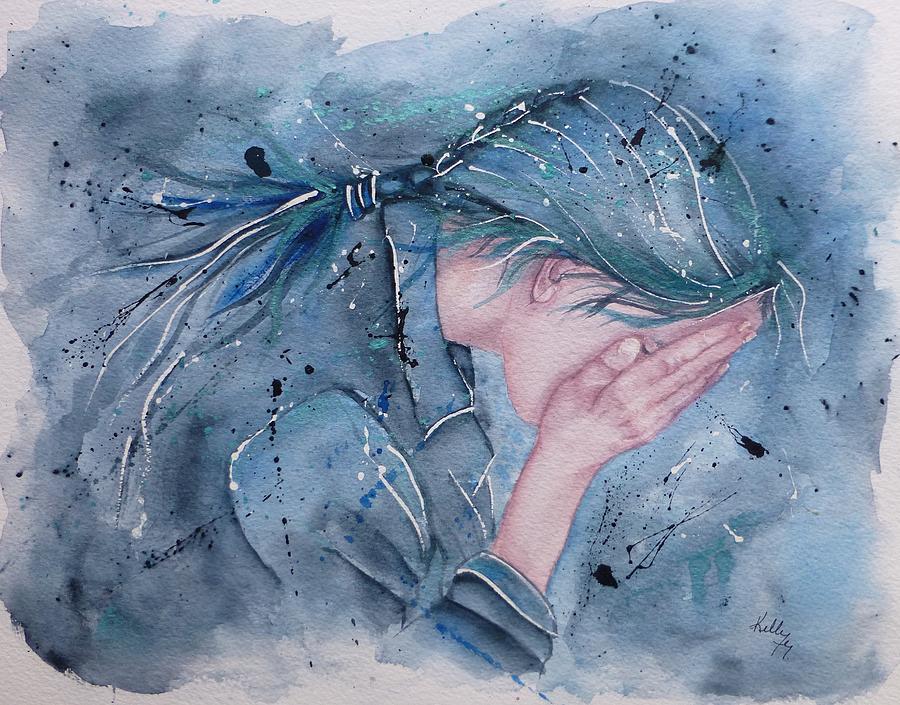
La niña entra en la casa cuando yo estoy sentado en el banco, tranquilo, liando tabaco. La siento atizando las ascuas de la lumbre, y en eso que me da por mirarla, ¿y qué veo?, unas mallas color rojo carmín bajo las faldas. Hace ya un rato que vengo teniendo sospecha de que ese ansia de estar en la calle se debe a que quiere marchar lejos de aquí. Le pregunto. Me confirma que ha vendido unos huevos. Yo trato de calmarme, pero me pongo serio y vuelvo a preguntarle por qué tanto secreto. Y la niña que no me contesta. Le insisto y me reprocha que ella hará lo que ella quiera y que yo no la voy a mandar más. Siento que me hierve la sangre en las venas. En eso que la miro bien y veo que se ha recogido el pelo con mucho esmero, como si viniera de celebrar. Me levanto del banco de un salto, le arrebato la tenaza de las manos y le machuco la cara con mi puño cerrado. Una vez, otra vez, y otra vez. Anoche vino el doctor y dijo que la niña vivirá, que sólo se le ha estropeado un ojo. Espero que lo acontecido le sirva de escarmiento.
Imágenes: (1) El llanto por Kelly Mills (2) Onírico por Kevin Carden
* Variación del cuento de Emilia Pardo Bazán «Las medias rojas». He sustituido al narrador omnisciente por un narrador en primera persona, en este caso el Tío Clodio.
UNCLE CLODIO’S FURY
By Mar Martínez Leonard
The girl enters the house when I am sitting on the bench, calm, rolling tobacco. I hear her fanning the embers, and in that, I look at her, and what do I see? Some crimson red leggins under her skirts. For some time now I have been suspecting that this desire to be outside is due to her wanting to go away from here. I ask her, she confirms that she has sold some eggs. I try to calm down, but I become serious and I ask her again why so much secrecy. And the girl does not answer me. I insist and she reproaches that she will do what she wants and that I am not going to order her any more. I feel my blood is beginning to boil inside of my veins. In that, I take a good look at her and I see that she has put her hair up very carefully, as if she had just came back from a celebration. I jump up from the bench, snatch the pliers from her hands and smash my clenched fist into her face. Once, again, and again. Last night the doctor came and said the girl will live, that only one eye of hers has been damaged. I hope that she has learned her lesson.
Images: (1) The Cry by Kelly Mills (2) Dreamlike by Kevin Carden
* Variation of Emilia Pardo Bazán’s tale ‘The Red Stockings’. I have substituted the omniscient narrator by a narrator in first person, in this case Uncle Clodio.
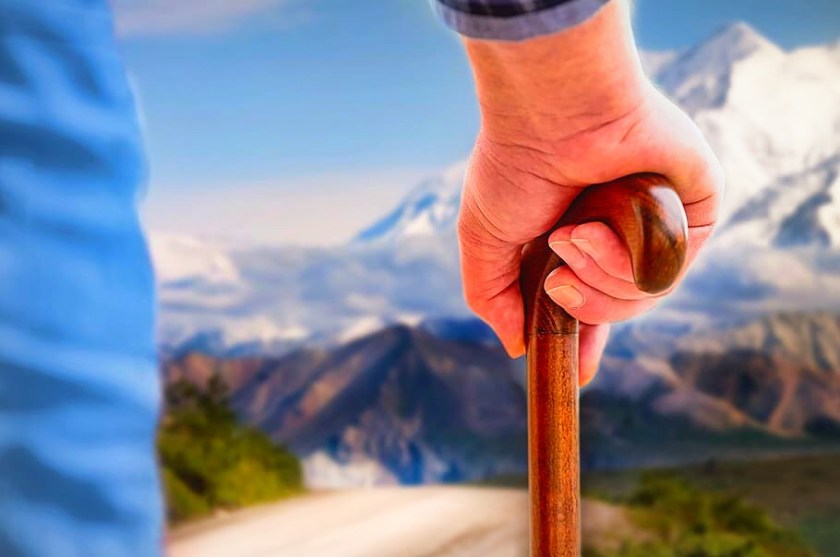
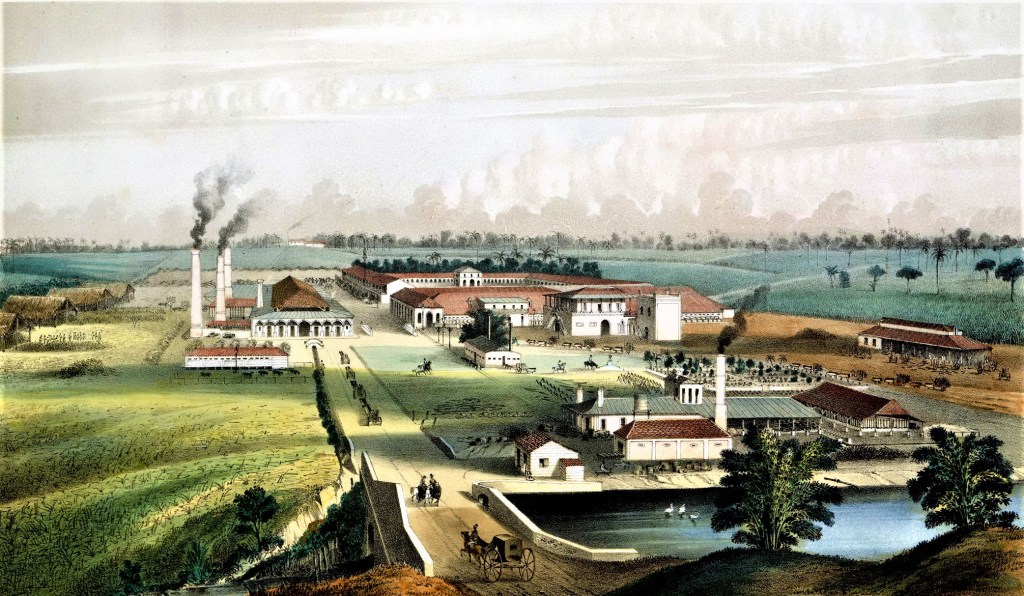
El olor dulce del tabaco aún sigue en mi memoria. El abuelo enrollaba su tabaco, colaba en la tarde su café y se reclinaba en un sillón para contarnos de la guerra, siempre la misma historia sobre las monedas enterradas en los muros del ingenio, la cambiaba o la inventaba cada vez y el tiempo parecía gravitar en humo y en la luz de la lámpara de aceite. Como el abuelo cambiaba la historia cada vez, la relativa ubicación de las monedas cambiaba cada vez. En aquellos tiempos mi padre agujereó las murallas con un pico, compró perros rastreadores de tesoros según él. Se sentaba como un chico a los pies del abuelo cada tarde y le encendía el tabaco con la esperanza de una revelación exacta del lugar, mas el abuelo con cierta picardía volvía a torcer la historia de las monedas y pasándose la mano por la blanca barba echaba la última bocanada de humo hacia el techo, decía unas palabras inconclusas sobre las monedas e inclinaba el rostro como si anduviera en profunda meditación y se dormía. Mi padre en aquellos tiempos salía a agujerear los muros, fumaba tabaco buscando una revelación, se inventó un aparato de buscar metales, creó un mapa, un plan de excavación, buscó ayuda entre sus amistades que se sentaban cada tarde delante del abuelo como si apelaran a un milagro, y la historia cambiaba y se repetía cada noche. El abuelo en persona visitaba las operaciones de búsqueda de vez en cuando y apuntaba con el bastón cada vez a una pared diferente, a un montón de piedra diferente, por lo que movieron el sitio de un lugar a otro hasta aplanarlo y cernieron la tierra tantas veces que había un finísimo hollín que gravitaba como una neblina en todas partes y envolvía las casas y levitaba en las aguas de los ríos como una gelatinosa ceniza. Mi padre en aquel tiempo contrajo una tos persistente por lo que distinguíamos su regreso a casa cada tarde en medio de la densa neblina, con un pañuelo en la boca hablaba como un bandido en secreto de los planes y la proximidad del objetivo y se sentaba delante del abuelo cada tarde a marcar sobre el rústico mapa nuevos trazos. El abuelo tenía dos monedas de oro que suspendía en el aire y aseveraba entre bocanadas de humo “monedas como estas” y cambiaba la historia nuevamente o la conversación mientras todos le miraban sin entender. Una noche entrada ya la madrugada el abuelo habló sobre la posible ubicación de las monedas mientras todos dormitaban, sólo mi padre hacía trazos en el mapa que se había alargado como un pergamino romano y que enrollaba en un palo de escoba cuidadosamente. Al día siguiente regresaron en la densa neblina vociferando los hombres de mi padre con una monedita entre los dedos, lo que alentó a todos en la región y se encendieron faroles y se hizo dos turnos de excavación encabezados por mi padre, se compraron nuevas herramientas para remplazar los amellados picos, como nadie dormía se usaron los bastidores de las camas como cernidores, sólo se extrajo de la tierra dos herraduras de mulo y todo tipo de chatarra, menos oro. Y después de un tiempo volvieron a reunirse junto al abuelo que ahora sostenía una moneda entre los dedos y aseguraba “monedas como esta” y hablaba ceremoniosamente como un patriarca y pausaba o demoraba las ideas o entraba en profunda meditación o sueño. Pasaron años en la tarea de las excavaciones y aunque no hubo oro se diversificó la búsqueda por la región de Santa Ana de La Viajaca debido a nuevas pistas, nuevas revelaciones. Se usó el polvo blanco que cernían ligado con agua para pintar las casas, las piedras para hacer cercas que servían para demarcar los límites de las propiedades de la región, cambió la geografía y fueron removidos los muros todos del ingenio y el abuelo continuó sentándose todas las tardes a enrollar tranquilo su tabaco y hacer diferente la historia cada tarde mientras miraba complacido como quien encuentra el oro en la caída del sol sobre las montañas que antiguamente se escondían detrás de los muros del ingenio.
Fragmento de En el lenguaje lascivo de los perros, Ediciones Velámenes, 2012, disponible aquí
Foto Oro en las Montañas, Pxfuel
Ingenio Flor de Cuba, Impresión litográfica coloreada a mano, Eduardo Laplante, 1857
By Adalberto Guerra
The sweet smell of tobacco is still in my memory. Grandpa rolled his tobacco, strained his coffee in the afternoon and leaned back on an armchair to tell us of the war, always the same story about the coins buried inside the walls of the sugar mill. He changed it or invented it every time, and time seemed to gravitate in the smoke and on the light of the oil lamp. Since Grandpa changed the story every time, the relative location of the coins changed every time. In those days, my father pierced the walls with a pick, and bought dogs that sniffed treasures according to him. He sat like a boy at Grandpa’s feet every afternoon and lit his tobacco, waiting for an exact revelation of the place, but Grandfather, with a certain mischief, twisted the story of the coins again and again, passing his hand through his white beard, threw a last puff of smoke towards the ceiling, said a few unfinished words about the coins, and tilted his face as if he were in deep meditation, then fell asleep. My father in those days went out to drill holes in the walls, he smoked tobacco looking for a revelation, he invented a device to search for metals, he created a map, an excavation plan, he sought help from his friends who sat every afternoon in front of Grandpa as if they were appealing to a miracle, and the story changed and repeated itself every night. Grandpa himself visited in person the search operations from time to time, and each time he pointed his cane at a different wall, at a different pile of stones, so they moved the site from one place to another until everything was flattened, and they sifted the ground so many times that there was a very fine soot that gravitated like a mist everywhere, enveloping the houses and levitating on the waters of the rivers like a gelatinous ash. My father at that time contracted a persistent cough so we distinguished his return home every afternoon in the middle of a dense fog. With a handkerchief over his mouth, he spoke secretly like a bandit about the plans and the proximity of the objective, and sat in front of Grandfather every afternoon to mark new strokes on the rustic map. Grandfather had two gold coins that he suspended in the air while affirming between puffs of smoke «coins like these» and again, he changed the story or the conversation while everyone looked at him without understanding. One night in the early morning, Grandfather talked about the possible location of the coins while everyone was asleep, only my father made outlines on the map that had been lengthened like a Roman parchment and that he rolled up on a broomstick carefully. The next day, my father’s men returned in the dense fog shouting with a small coin between their fingers, which encouraged everyone in the region, and lanterns were lit, and two shifts of excavation led by my father were made, new tools were bought to replace the nicked picks; as no one slept, the bed frames were used as sieves. Only two mule horseshoes and all kinds of scrap metal were extracted from the ground, except for gold. And after a while, they met again with Grandfather who now held a coin between his fingers and assured «coins like this» and spoke ceremoniously like a patriarch and paused or delayed ideas or went into deep meditation or sleep. Years passed in the task of excavations and although there was no gold, the search on the region of Santa Ana de La Viajaca diversified due to new clues, new revelations. The white powder that they sifted together with water was used to paint the houses, the stones to make fences that served to demarcate the limits of the properties of the region, the geography changed and the walls of the mill were removed. And Grandfather continued to sit every afternoon to quietly roll his tobacco and make the story different every afternoon while watching pleased, as if finding gold at sunset on the mountains that formerly hid behind the walls of the sugar mill.
Extract from En el lenguaje lascivo de los perros (In the Lascivious Languge of Dogs), Ediciones Velamenes, 2012, available in Spanish here
Translation from Spanish: Mar Martínez Leonard
Photo Gold on the Mountains, Pxfuel
Flor de Cuba Sugar Factory, Lithographic print, hand colored. Eduardo Laplante, 1857
El escritor, con el lápiz afilado y certero, se enfrenta al devenir y se desvive en el fragor de la batalla, hasta que cae rendido bajo el sol de la dicha…
Por Antonio Arjona
El enemigo apareció enorme entre la blanca niebla de la página. El escritor, con el lápiz afilado y certero, se enfrenta al devenir y se desvive en el fragor de la batalla, hasta que cae rendido bajo el sol de la dicha.
Los que sobrevivieron al longevo reinado de la indiferencia cuentan que La aventura acabó con el hastío de aquellos desalmados.
Imagen: No Fly Zones,Eric Chow
By Antonio Arjona
The enemy appeared huge out of the white mist of the page. The writer, with a sharp and accurate pencil, confronts the future and goes out of his way in the heat of the battle, until he falls exhausted under the sun of happiness.
Those who survived the long reign of indifference say that The Adventure put an end to the boredom of the scoundrels.
Traslation: Mar Martínez Leonard / Image from happynesson.com
Hace muchos años vivía a orillas del Mar Mediterráneo una muchacha excepcionalmente bella llamada Marina. Era hija única y su padre murió siendo ella muy joven. Algún tiempo después, su madre enfermó de gravedad y Marina se dedicó por completo a cuidarla. La única distracción de la muchacha era bajar por las noches cerca del mar cuando su madre estaba dormida.
Cada noche, Marina iba hasta la playa y se sentaba sobre las rocas. Muchos pretendientes la cortejaban, atraídos por su mirada hechicera, su dulce voz y su largo pelo coral ondulado. Pero ella rechazaba a todos y cada uno de los muchachos que la pretendían mientras estaba posada sobre el arrecife: “No tengo tiempo de encontrarme con nadie”, les decía, “ estoy muy ocupada”.
Poco a poco, Marina se volvió taciturna y contemplativa. Durante sus salidas nocturnas escuchaba las olas romper y observaba la luz de la luna y las estrellas reflejarse en el agua plateada del Mediterráneo. Sus pasos desprendían un aire místico y parecía estar fascinada por el melodioso canto de las aves que nadaban sobre el mar. En algún momento, se empezó a rumorear que había perdido la razón, y estas habladurías llegaron incluso a oídos de su madre.
Un día su madre, intrigada, le preguntó cuál era el motivo de sus visitas nocturnas a la playa, a lo que Marina respondió: “Madre, voy al encuentro de mi amado el Mar”. Muy sorprendida, ella exclamó con inquietud: “¡Hija mía, si sigues así, te convertirás en pez!”
Pero esto no hizo que Marina dejara de bajar a la playa cada noche para sentarse junto al mar y contemplarlo mientras su madre descansaba. Y poco después de esta conversación, la madre de Marina falleció. Tras sepultarla, cuentan los ancianos que Marina bajó a la playa una noche, se desvistió, se adentró en el mar y nunca más se la volvió a ver salir del agua.
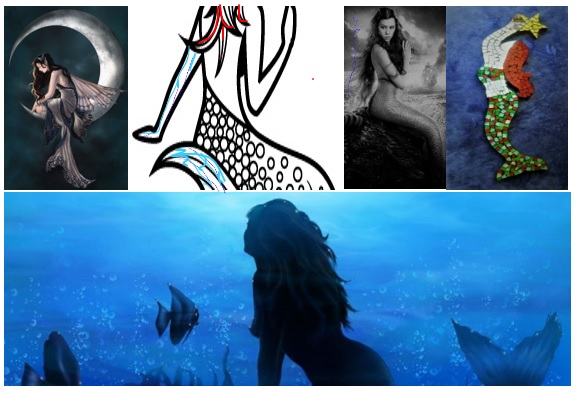
Desde entonces se dice que en las noches de luna llena se divisa sobre los peñones de Almuñécar la silueta de una sirenita tumbada observando el horizonte, que después flota sobre las olas y se sumerge en su agua argentada.
En días nublados, se siente un revolotear junto a la lápida de su difunta madre, y una figura invisible se posa en arbustos de buganvillas rojas y doradas, guardando la tumba con su fresco vuelo azul.








 EL ARTCA